Place to Visit in Paro Sightseeing Tour
Sightseeing in Paro includes several must see destination and each of them provides a unique experience and glimpse into the rich culture of Bhutan. These are the places you will visit as part of Paro Tour Package.
Tiger’s Nest Monastery
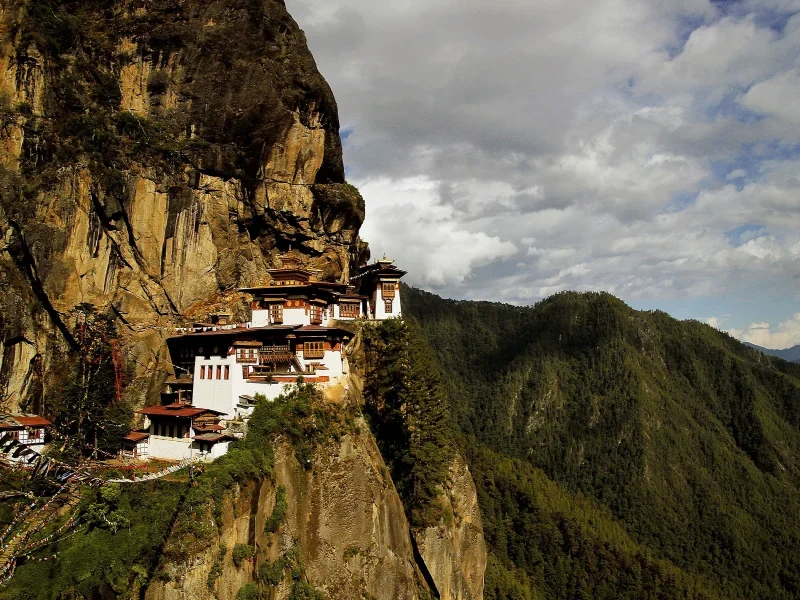
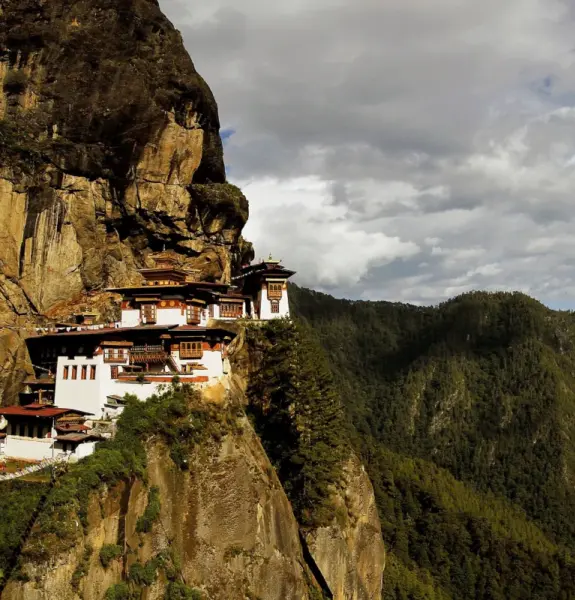
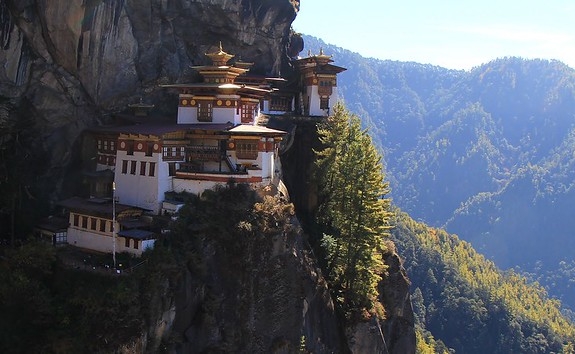
Located on the cliff nearly 900 meter above the ground, the Tiger’s Nest Monastery (also known as Taktsang Monastey) is the most sacred place of Bhutan. According to legend, it was here that Guru Rinpoche meditated sitting on the back of a flying tiger (which is the reason why the place is called this way).
The distance takes about 4-5 hours depending on your physical shape. You may rent a mule at the beginning of the walk; however, it will take some effort even when the animal will be leading you part of the way.
The path is quite steep, and you need to wear appropriate shoes for your trek. Once you make it up to the top, you will witness the magnificent view of the monastery on the rock, not to mention the spiritual atmosphere inside.
Paro Dzong
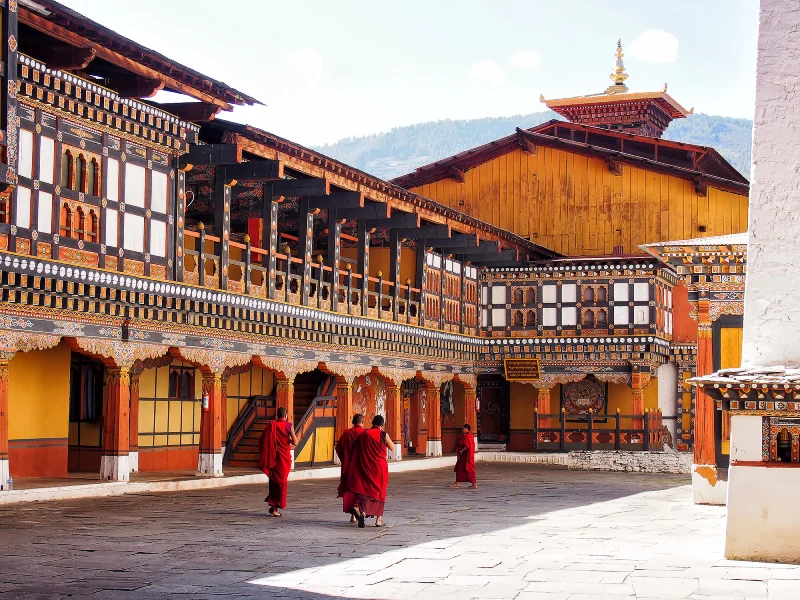
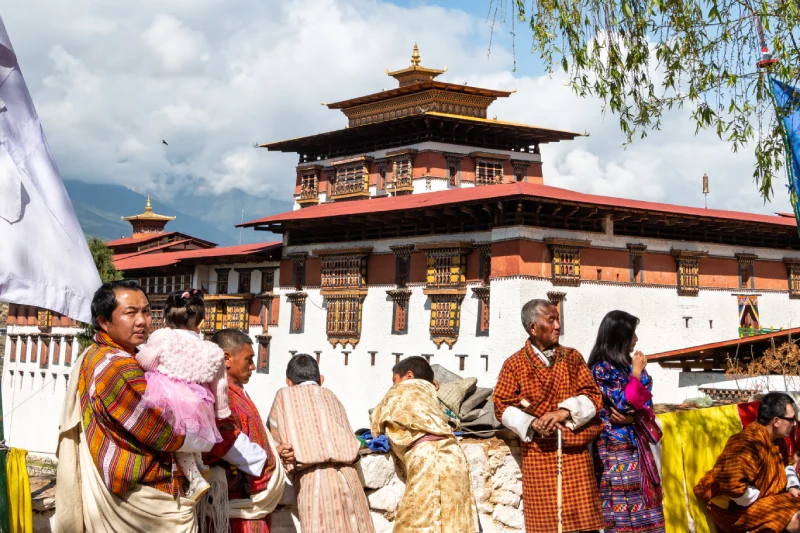
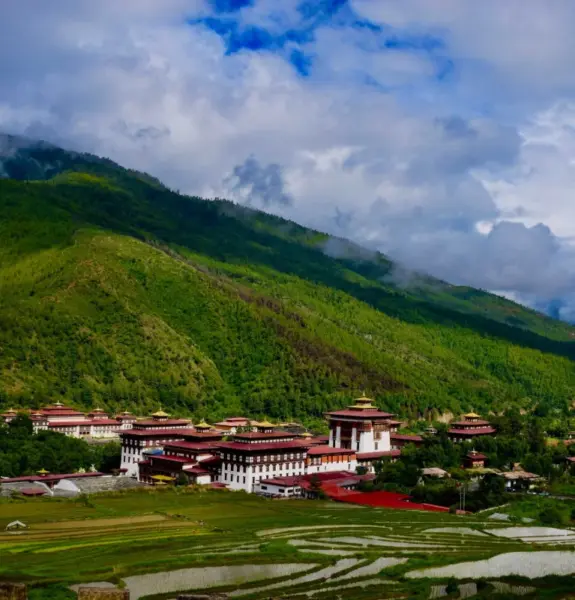
Rinpung Dzong is the official name of this dzong, which is an architectural masterpiece built in the 17th century and still being used today. Its purpose in history was to be a defensive building to prevent Tibetan invasion. Today, it shelters the government institutions and a monastic community.
The Dzong is positioned on the bank of Paro Chhu river with its white walls and woodwork, and a huge entrance which immediately reveals its significance in history. Tourists who visit the place get a glimpse of the way of life practiced in Bhutan for many years, both religiously and administratively.
Kyichu Lhakhang
It is one of the oldest temples in Bhuta, with its origins traced back to the 7th century. The Kyichu Lhakhang is a very sacred and it is one of the 108 temples constructed in the Himalayas to pin down a legendary demoness, as per beliefs of Bhutanese locals.
The temple has several ancient statues inside, as well as orange trees that are rumored to produce fruits all year long. The temple has a peaceful courtyard where people come to offer prayers.
Paro Town
Following the visits to the monasteries and the hiking tour, there is much to be explored in the town of Paro itself. The main street of Paro is full of typical structures with wooden balconies and painted window frames that were designed according to traditional Bhutanese architecture.
There are also plenty of local stores offering hand-made goods, clothing, and souvenirs, from traditional scarfs to masks. In case you want to buy some traditional handicrafts, here is your chance to get real products.
There are also cafes and restaurants offering a wide range of cuisine including ema datshi and even continental food.
Bhutanese Culture and Experiences
Paro sightseeing is not only the process of crossing off the list of places. Actually, it is more of experiencing the culture of Bhutanese people which will remain with visitors forever.
Almost every aspect of Bhutan life is influenced by Buddhist culture. This can be seen in prayer flags hanging from the bridges and mountain sides, each color symbolizing a different element. Another symbol is prayer wheels, which turn outside of many temples, with locals believing that each turn sends their prayer into the air
The architecture of the places reflects the traditional Bhutanese style. Even the modern buildings in Paro maintain some architectural norms with sloping roofs and wooden details.
Local cuisine should definitely be tasted as well. It is known for the liberal use of spices, especially chili, with such dishes as ema datshi, which is a cheese and chili stew. You will also get to see local people dressed up in their traditional clothes. While the gho is worn by men, women wear the kira. Both outfit are compulsory within governmental organizations and monasteries.
Monasteries have strong traditions and practices that are carried out in the same way as they have been for centuries. Young monks are trained from childhood, and you can even get to see their daily life practices at monasteries. The local market is another place worth visiting where you can find fresh vegetables, spices, and homemade products. Along with the traditional crafts that you will see throughout the Paro Tour Package, the whole package will be much more than just sightseeing.
Best Time for Paro Sightseeing
For Paro sightseeing, you need to choose appropriate time to actually make the experience memorable and enjoyable. Here are 4 seasons for Paro sightseeing tour.
Spring (March to May)
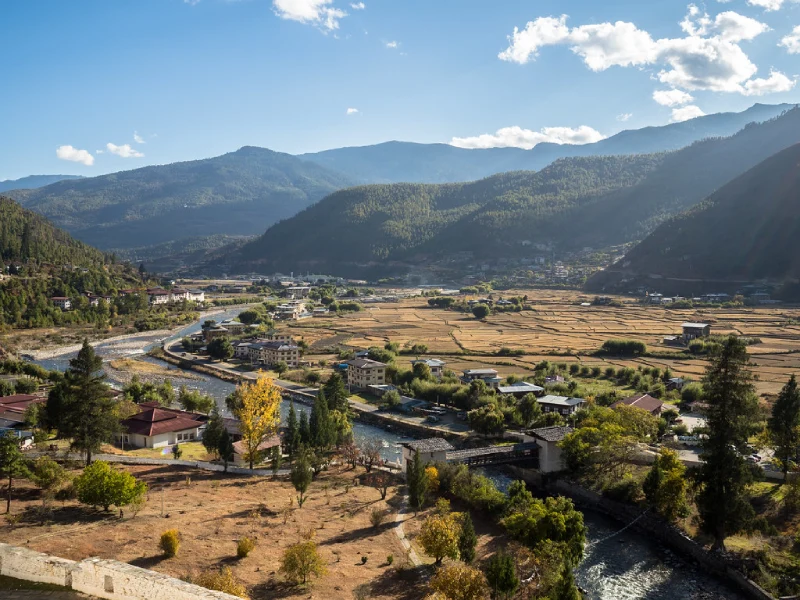
The spring season brings mild climate and sunny days, making it ideal for sightseeing in Paro. The surrounded valley fills with rhododendron and wildflowers that add beauty to your tour. Visibility is quite high, ensuring that you have beautiful views of the mountains in the region during your trekking, including Tigers’ Nest.
Autumn (September to November)
The autumn season is considered ideal for a tour to Paro. There is generally good weather in terms of clear skies and good mountain visibility in addition to warm day temperatures. This is also when most festivals are held in the country.
Monsoon (June to August)
Summer is the monsoon time in Bhutan including Paro. You should not expect clear weather with many sunny days. Instead, there will be rains and misty weather. There will be occasional delays, and you should be ready for this while choosing your package for the summer months.
Winter (December to February)
The weather gets cold during the winter season, especially during mornings and nights. But the sky remains clear during this time, and with less people around, the area becomes less crowded. It is advisable to dress warmly when visiting Paro during this season, because the temperatures get close to freezing.
Difficulty Level
One of the many advantages of Paro Sightseeing is the ease of access. Unlike the challenging treks, majority of this tour is easy walking and short drives which makes it appropriate for many travelers.
Family trips with children can easily join since majority of the sightseeing destinations such as Paro Dzong, Kyichu Lhakhang, and the city itself only involve easy walking. Likewise, couples seeking a more relaxed vacation can take pleasure in sightseeing tours without being pressured to move quickly.
It can be a nice opportunity for solo tourists who want to spend some time independently exploring Bhutan without having to go through the process of mountain hiking. Elderly travelers will be able to cope with the Paro sightseeing tour as long as they are prepared for moderate walking.
One place that may pose a challenge is Tiger’s Nest, which is the one place you should know about. It will indeed involve a lot of walking for about 4 to 5 hours up to the mountain peak where Tiger’s Nest Monastery is situated.
Although you don’t have to be a regular hiker in order to complete this hike, it is always recommended that you do it carefully with enough stops and rest. In addition, you might want to rent a mule to carry your luggage through the mountain path.
The remaining activities in the Paro Tour Package will not be difficult.
Accommodation and Meals for Bhutan Paro Sightseeing Tour
Accommodation
Accommodation is an important part of travel and Bhutan makes sure to provide good accommodation for this tour package.
While you are on the Paro Tour Package, you will stay at 3-star hotel of Paro. The hotels have clean and comfortable rooms with a private bathroom and hot water facility. Normally, it is a twin sharing rooms, but single and double rooms can be provided on demand.
There will be breakfast facility at your hotel each day so that you get comfortable before setting out for sightseeing. For those preferring luxurious accommodation, 4-star hotels can be provided. Please let us know of your requirement in advance.
Meals
This Paro Sightseeing tour provides for all meals like breakfast, lunch and dinner throughout the entire tour, so all the meal requirements are sorted out from the very beginning to the end.
The food in Bhutan is known for its richness and distinctive use of rice, vegetables and cheese as main ingredients. The national dish of Bhutan, Ema Datshi, made of chili and cheese is a must try for all travelers. Our meals focus on both Bhutanese and continental cuisines so that everyone can experience a new flavor while also enjoying the similar taste they are used to.
There will be no problem for vegetarians in Bhutan. The country has many vegetable-based dishes, and almost all restaurants have vegetarian meals available. This Bhutan Short Tour Package ensures that the food served is simple and tasty.
Visa and Entry Requirement
Because this Paro sightseeing is done in Bhutan, there are slight changes to the visa from that of a regular trek in Nepal. The following are the things you should consider in preparation for Bhutan tour.
For most foreign tourists, a visa is mandatory for entering Bhutan and this visa cannot be arranged personally. It is a rule in Bhutan that all foreign visitors must go via a licensed tour operator, and they arrange your visa for you once you confirm your itinerary. Your passport needs to have six months validity from the date of your journey.
The only exemptions are people from India, Bangladesh, and the Maldives; they do not require a visa but need their valid identification documents to enter the country.
There is another tax called the Sustainable Development Fee (SDF), which varies from person to person depending on their age and nationality. The SDF helps preserve Bhutan’s culture and environment and is not a part of your tour expenses.
Apart from the SDF, there is another one-time non-refundable charge called the visa processing fee paid per application.
The great thing is that you won’t have to go through all of this by yourself. Epic Trek Nepal will manage the visa process for you as a part of your Paro Tour Package. All you will have to do is give us your passport information.
Tips for Beginners
If you decide to go to Bhutan for Paro Sightseeing Tour, without researching and knowing about it may become slightly challenging. Here are few helpful tips which would ensure your smooth trip to Bhutan.
Prepare everything ahead of time. It would be better if you prepare much more for your trip to Bhutan because it takes more effort to get visa approval and logistical preparation.
Carry a lightweight backpack with only what you really need. It is advisable to dress in layers due to changing weather from morning to evening.
Always carry money in local currency form. You may use credit cards in most hotels and restaurants; you will probably find no ATMs at other places.
Download the offline maps before you arrive. Google map is good when you arrive in Nepal but doesn’t work in many regions of Bhutan.
Have trust in your guide. Guides of Nepal Paro Tour Package will know more about the location than any travel application of any traveler.
Finally, be prepared to see the surprises. The Paro Sightseeing Tour will offer you experiences that even the most experienced travelers would not have seen.
Who is This Tour Suitable for?
Paro Sightseeing Tour is suitable for almost any person interested in Bhutan and some will find it even more interesting and enjoyable.
First-time tourists in Bhutan would definitely like it, as it covers all the main sights, from Tiger’s Nest to Paro Dzong, providing a good overview without putting pressure on your schedule. A couple of nature lovers will appreciate a calm pace of this tour and spectacular settings that surround the sights during this tour.
Also, it is quite convenient for families with children. The sights require not much walking, the only demanding part of the tour is a climb up Tiger’s Nest, which is possible even for older children with some rests.
This package offers cultural tourists a lot to see in Bhutan, including ancient temples, traditional architecture, and authentic Bhutanese life. For photographers there is no lack of scenery with cliff-top monasteries, prayer flags, and mountain valleys being among them.
This Paro tour package is ideal even for those on short holidays, because it allows you to experience all of Bhutan in just a few days and for tourists traveling both Nepal and Bhutan, as it combines trekking and cultural tours into one trip.





 Share
Share