



Buddhist Monasteries in Nepal: A Complete Guide to Sacred Places, Culture & Etiquette
25 October 2026
By admin
Step into the Kathmandu Valley early in the morning, and you will hear before you see the sounds that fill it. Horns blow through the rooftops, chants emanate from behind painted doors, butter lamps light up the darkness. The Buddhist monasteries in Nepal present an opportunity to immerse yourself into the spiritual life because they are in every corner of Nepal.
The connection of Buddhism with Nepal extends much further beyond the Kathmandu Valley. It is within the lands of southern Nepal that Gautama Buddha himself was born more than 2,500 years ago. This alone should make Nepal a holy land for followers of Buddhism all over the world.
Throughout the centuries, the religion has moved towards the north. Merchants, preachers, and refugees were carried Buddhism to the Himalayas where Sherpa, Tamang, Tibetans, Gurungs, and Newars created their own monasteries.
This is precisely the reason why monasteries attract so many tourists. Pilgrims pray and make circumambulations around the sacred stupas. Cultural enthusiasts visit them for the murals, masks and manuscripts. Trekking travelers take breaks, listen to the monks and understand the true essence of the mountainous regions they traverse.
In this guide, you will know everything you need to plan confidently. You will learn the best Buddhist monasteries in Nepal to visit, understand proper monastery etiquette to have an appropriate experience, and know exactly what to look for when you visit.
Why Is Buddhist Monasteries Important in Nepal?
The monastery is the core of a Buddhist community because it acts as a center place where people can pray, study and meet. There are not many buildings in a Himalayan village where people can do all three at the same time.
Religious devotion and meditation. The monks begin their day very early, reciting mantras, playing drums, and performing offerings. They also encourage the villagers to join them when lighting the butter lamps and spinning the prayer wheels. Some of the monasteries organize meditation courses that last for several days, welcoming foreigners as visitors during the period of meditation.
The monastery also functions like a school. This gives young monks opportunity to learn philosophy, ritual music, debate and the Tibetan language. In faraway valleys, local children learn to read in the monastery first.
In monasteries, there are copies of scriptures, which can be hundreds of years old. Monks preserve thangka paintings, statues, and ritual masks. They teach the upcoming generation of artists. There are many Buddhist monasteries in Nepal, which have preserved manuscripts, which researchers come from all over the world to study.
Community Life and Festivals. People of the village turn to the monastery for blessing of a baby, guidance during a funeral ceremony, or selection of the auspicious day for a wedding. Such festivals as Losar, Mani Rimdu, and Buddha Jayanti are celebrated with mask dancing, singing, and feasting in the courtyards.
The culture of the Himalayas. Buddhism is in Nepal influences the everyday life of the local people. Mani walls, prayer flags, and chortens decorate the routes, as Buddhism determines the way people behave and move through their journey.
Best Buddhist monasteries to visit in Nepal
With so many monasteries in Nepal, deciding where to visit might become confusing. Below is the list of the top Buddhist monasteries in Nepal, from easy half day visits in Kathmandu to remote high altitude monastery along the Everest route. Note that entrance prices and operating hours may vary and should be checked beforehand.
Boudhanath Stupa and Gompas Surrounding It
Boudhanath is the largest stupa in Nepal located in Boudha, 7 km east of Kathmandu. Tibetan refugees have been settling in Boudha since the beginning of the 1950s, and more than 50 gompas surrounding the main structure can be found here. This is the best place to start your visits to Buddhist monasteries in Nepal.
Come to this site at dawn or dusk, when locals perform a kora while butter lamps burn. Visit a rooftop café for an overview of everything. There is an entry fee for foreigners. The site is a part of the Kathmandu Valley World Heritage Site, recognized by UNESCO.
Swyambhunath (The Monkey Temple)
Swayambhunath is one of the oldest sacred places in the valley, located on the hill, about 3 kilometers to the west of Kathmandu, from Thamel. According to legend, the valley itself originated as a lake that surrounded this hill. Buddhism and Hinduism both have their worshippers at this place that shows a close connection between the two religions in Nepal.
Monkeys freely walk around the territory, giving Swayambhunath another name. Make sure to keep your food away from the monkeys and do not challenge them with your eyes. Here you will see a monastery, prayer wheels, and a white dome with a golden spire.
Kopan Monastery (Meditation Courses)
Kopan monastery was established by Lama Thubten Yeshe and Lama Zopa Rinpoche during the early 1970s. It belongs to the Gelug school and is one of the first monasteries to provide lessons in Buddhism to Westerners. Many monks and nuns practice and study in this monastery.
The monastery offers many programs in English, including weekends and a special month-long course every November. Tourists who do not attend this course are free to tour their gardens and valleys.
Book your program several months ahead of time. Dress decently. If you are seeking a closer experience with Buddhism in Nepal, Kopan monastery is the place to go slow.
Namo Buddha Monastery (Kavre)
The Namo Buddha site holds great importance for Buddhism in Nepal as it is considered to be one of the holiest places for Buddhist pilgrims. Legend tells of a time when a prince gave up his own body in order to feed a tigress and her cubs who were starving. Situated under the stupa is the Thrangu Tashi Yangtse Monastery which is a Kagyu Monastery with many young monks.
Namo Buddha is generally combined with a trek from Dhulikhel or Panauti by many trekkers. It will take you about two hours to reach Namo Buddha either by foot or by car. There are some guest houses nearby the monastery, where you can stay overnight and take part in their morning prayers.
Pharping (Asura Vave, Dakshinkali Region)
Pharping is one of the places which have great significance in Vajrayana Buddhism. The followers believe that their master, Guru Rinpoche, also known as Padmasambhava, achieved enlightenment in the Asura Cave. It attracts pilgrims from all over the Himalayas who come to offer prayers there. Pharping is also home to Sakya and Gelug monasteries as well as the Shesh Narayan cave temple. It is evident how the Hindu and Buddhist beliefs have similar hills.
Shechen Monastery
The Shechen Monastery is one of the important monasteries belonging to the Nyingma tradition, which is the oldest of Tibetan Buddhism. It was established in the 1980s by a great Nyingma teacher Dilgo Khyentse Rinpoche. In terms of activity in terms of study, it can be considered as one of the most active of all Buddhist monasteries in Kathmandu.
Monks at this monastery practice ritual study and Dzogchen, which is the teaching of the “Great Perfection”. The main hall is adorned with an immense gold-plated statue of Buddha and detailed hand paintings. There is a school, a clinic and a publications program that helps preserve ancient manuscripts at the Shechen monastery.
Thame Monastery
Unlike most villages along the popular Everest trekking path, Thame is isolated and away from the main trail. The Sherpas have been praying in this gompa for nearly 300 years. This valley also boasts many Sherpa mountaineers, with Tenzing Norgay being among the villagers here.
This gompa is located on a rocky hillside above stone houses and potatoes fields. There are daily prayers conducted by the monks, with locals visiting for blessings and festivals. In other words, you will have a glimpse into Sherpa lifestyle which does not get the attention of many trekkers and climbers.
Tengboche Monastery (Everest Region)
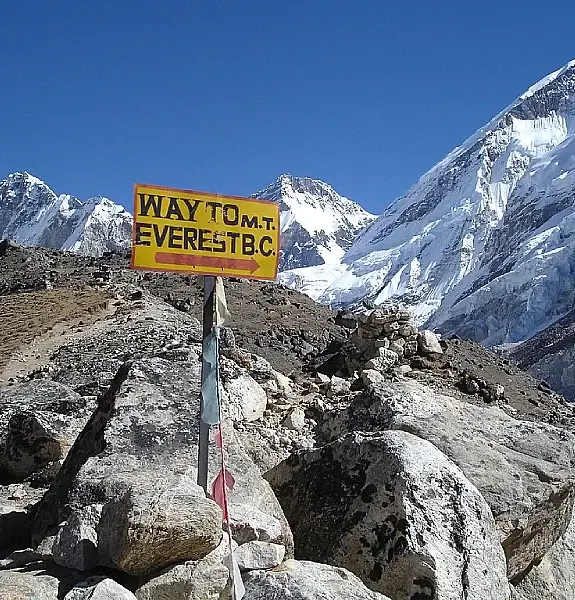
Tengboche is the largest gompa in the Everest region and acts as a spiritual center for the Sherpas. It was founded by Lama Gulu in 1916. The old gompa was burnt down in 1989; since then, the people have built it again with the financial assistance of their well-wishers from across the globe. This monastery is one of the best Buddhist monasteries to visit in Nepal that offers some of the amazing views surrounded by peaks of Ama Dablam, Everest, Lhotse, and Nuptse.
In the evening, prayer sessions are performed by monks, and you may observe them silently from the rear of the temple. Tengboche also holds its Mani Rimdu festival in autumn with traditional masked dances and chanting. Try to plan your visit during this time.
Lumbini Monastic Zone (International Monasteries)
This place is where Buddha was born. Lumbini is included in the UNESCO list of World Heritage Sites. There is the Maya Devi Temple which indicates the very place of his birth, next to the sacred pond and the Ashokan pillar, which dates back to the third century BCE.
Around it lies the Monastic zone where various Buddhist communities from different nations such as Myanmar, Thailand, Germany, China, and Vietnam have established their monasteries according to the architectural style of their respective countries.
Buddhist Rituals, Festivals and Daily Life
Life in the monastery has a set routine. Once you learn it, your visits will be much more respectful, and you’ll gain much more from your experience there.
Praying and chanting. The day starts very early in the morning. Monks gather in the hall of the monastery, sit in rows and start chanting the scriptures together. The chanting is accompanied by horns, cymbals and drums. Morning and evening prayers in most Buddhist monasteries in Nepal are open for public attendance.
Prayer wheels and butter lamps. Every prayer wheel is made of mantras that are written on paper inside. The prayer wheel is spun to distribute its prayers all around. On the other hand, butter lamps are meant for worshipping Buddha and gaining wisdom and fortune.
Monastic education. In addition to praying, daily routine of monks consists of learning texts, ritual singing and discussions of philosophical questions. Many monks are also engaged in painting, studying medicine and astrology.
Festivals. Festivals unite the entire community. Losar is the Tibetan New Year celebrated in February or March. Buddha Jayanti is dedicated to Buddha’s birth, enlightenment, and passing away and is typically celebrated in May. Mani Rimdu is an autumn festival with masked dances held in Tengboche. In case you need to visit a monastery in Nepal, do it during one of these festivals.
Differences in the tradition. Buddhism in Nepal encompasses several sects. Gelug, Kagyu, Nyingma, and Sakya monasteries differ in their rituals, clothes, and beliefs. Theravada monasteries are different as well; those found in Lumbini are a good example. There may even be great differences between two gompas located in the same valley.
Best Time to Visit Monasteries in Nepal
It is best to plan your trip to monasteries in Nepal based on when you would visit different places. If it is Kathmandu Valley, any time will do well, but the Himalayan Gompas will have to be planned for.
Autumn (October to November). This is undoubtedly the best period to visit Nepal due to clear skies and dry paths with great mountain views. It is also the time for celebrations such as Mani Rimdu in Tengboche, but the number of people visiting can be an issue, so make sure you reserve your lodges ahead of time.
Spring (March to May). The lower trails will feature blooms of rhododendron flowers and warmer weather, though haze might interfere with visibility at times. Buddha Jayanti is usually celebrated in May.
Winter and monsoon season. The winter season is characterized by cold nights and snowfall at higher altitudes. Some of the teahouses near the monasteries located at a high altitude are closed during the winter. The monsoon season runs from June to August; it involves rain, leeches, and landslides on the mountain roads. Lumbini gets extremely hot before the rain comes; therefore, the time to visit Lumbini should be considered.
The rest of the things to consider. Road access, possible flights delay and altitude influence on the schedule of the journey; in addition, monasteries can be closed due to their special rituals. Dates of festivals vary annually due to lunar calendar.
Those who wish to observe the Buddhist monasteries in Nepal regardless of the climatic conditions can visit at any time of the year. In case of Buddhism in Nepal at higher altitudes, it is advisable to visit in the autumn or spring seasons.
Responsible and Respectful Monastery Visits
Good manners will take you far in exploring Buddhism in Nepal. The monks and pilgrims will appreciate even the slightest gestures of respect and kindness.
Clothing etiquette. Ensure that your shoulders and knees are covered. Avoid wearing tight and revealing clothing. Hats and sunglasses must be removed upon entering a prayer hall.
Clockwise movement. Walk around the stupas, prayer wheels, and mani walls in a clockwise direction because everyone moves in the same direction and walking anticlockwise is disrespectful.
Shoes. Your shoes should always be left at the entrance of every prayer hall. Take along warm socks, especially during cold mornings.
Photography. Most prayer halls do not permit photographs. It is almost impossible to find places where photography with flash is allowed. Always ask for permission from monks before taking their pictures. In case you get a negative response, say thank you and remove your camera.
Behavior around monks. You should speak softly and greet them using “namaste” or “tashi delek.” Do not touch the head of any monk and never point your feet towards any statue. This is true and matters a lot for Buddhist monasteries in Nepal as well as remote gompas in the Himalayas.
Practical Travel Info
Best time to visit. October to November and March to April provide the clearest sky and safest trekking. These seasons are perfect for visiting the monasteries of Nepal, especially those situated in the Himalayas.
Entry fee. Boudhanath, Swayambhunath and other major monasteries demand a few hundred rupees from foreign tourists. The smaller gompas ask for donations. Make sure you carry the small denomination cash notes and check out the latest entry fees.
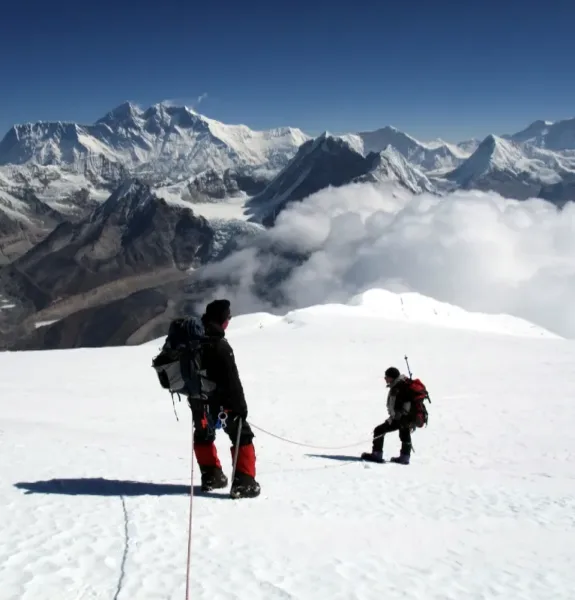
Mode of Transport. It is easy to access Boudha, Swayambhunath, and Kopan via taxis or ride services. Namo Buddha is two hours away by road. The best way to get to Lumbini is to fly to Bhairahawa. The route to Tengboche starts at flying to Lukla and then trekking for two days.
Accommodations. There are numerous guesthouses available in Boudha and Thamel. The monasteries of Namo Buddha and Lumbini have basic accommodations while the teahouses are available along the Everest trail. Planning the route to visit the best Buddhist monasteries in Nepal will take a lot of logistics, and thus Epic Trek Nepal can take care of that.
Frequently Asked Question
Which are the most famous Buddhist monasteries in Nepal?
Boudhanath, Swayambhunath, Kopan, Namo Buddha, and Tengboche are some of the popular ones. The city of Lumbini is the birth place of Lord Buddha and attracts pilgrims from across Asia. If you wish to visit the most famous Buddhist monasteries in Nepal, this is where you should begin.
Are tourists allowed to visit Buddhist monasteries in Nepal?
Mostly, yes. There are many places in Nepal that have their own unique Buddhist monasteries for tourists. The only drawback may be that some halls remain closed during private functions and meditation sessions. It is always wise to respect the customs of the locals when visiting.
What Buddhist monasteries can be near Kathmandu?
There are many places to visit. You can visit the Boudha stupa and the Shechen monasteries next to each other; Swayambhunath and Kopan are also nearby. Namo Buddha and Pharping make good day excursions. In total, these Buddhist monasteries around Kathmandu and the nearby hills take a number of days.
Are there any Buddhist monasteries on the way to the Everest base camp?
Yes, there are quite a few. The most famous among them is Tengboche. Pangboche, Khumjung, and the Deboche nunnery also lie on the way. There are also monks who let trekkers sit silently during their prayer times.
When is the best time to visit Buddhist monasteries in Nepal?
The best time to visit monasteries in Nepal is from October to November and from March to April, when skies are clear and trails are safe. Monasteries in Kathmandu Valley can be visited throughout the yesr, while monsoons make mountain passes hazardous. Moreover, dates of the festivals vary from year to year.
Can visitors stay overnight in a Buddhist monastery?
Yes, they can do that. For example, Kopan has students attending its courses on meditation, some monasteries near Lumbini have rooms for visitors, and there are guesthouses close to many other monasteries, such as Namo Buddha and Tengboche.
