




Difference Between Trekking and Hiking: A Complete Beginner’s Guide
15 November 2026
By admin
Ask ten tourists to define the difference between trekking and hiking, and you will likely get ten different definitions. Some define both of these activities to be the same, others are sure that trekking is simply hiking with a fancy term.
This is not surprising, as both types of outdoor activities consist of walking in nature while wearing a backpack and enjoying what nature has to offer. Trekking and hiking are commonly used interchangeably by people. This question comes up almost every week in Nepal among our guests.
So here it is. Hiking is a quick walk through a marked path that takes several hours or maybe one day. You come back and sleep in your own bed. But trekking involves much more. A trek consists of multiple days of walking, passing through difficult terrain and get away from the busy life far away in the middle of remote and isolated areas. You will have to pack supplies, pass various altitudes, and sleep in tea houses or tents.
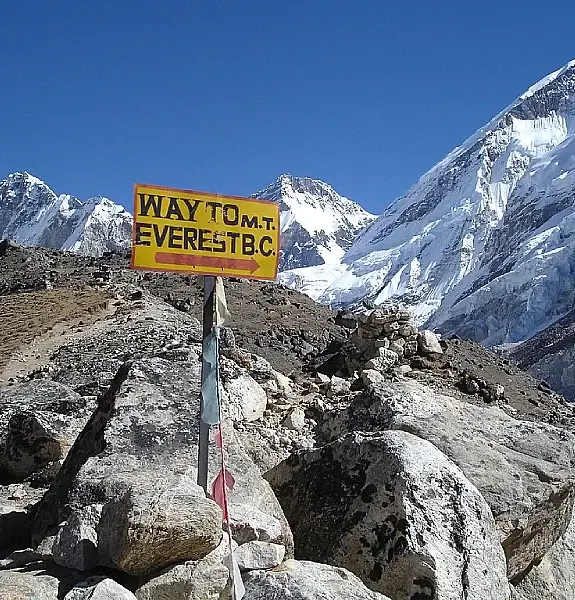
Consider, for example, the Annapurna Circuit or Everest Base Camp treks in Nepal. These take more than a week, not just one days. This compares to a morning trek up to the top of Shivapuri near the Kathmandu valley, which is completed by lunch time.
The following guide describes what makes trekking vs hiking different in terms of basic concept. The guide will discuss the duration of a hike or trek, terrains used, remoteness, and overnight accommodation, four major criteria used to differentiate hiking vs trekking.
If you want to go on a week-long trekking journey in the Himalayas or simply enjoy an afternoon hike, knowing the difference between trekking and hiking will help you choose your adventure. Let see what trekking vs hiking in detail is.
What is Trekking
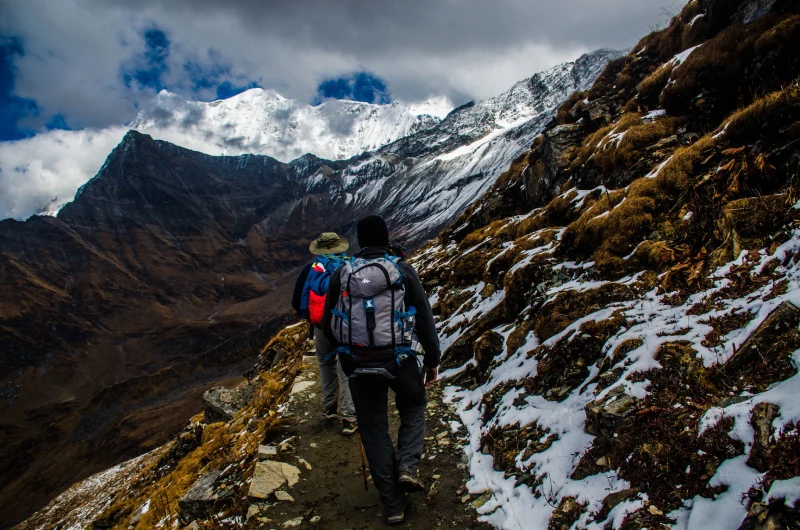
Trekking is walking through mountains or remote places for several days following pathways with no roads. Trekking requires covering many kilometers on different days in sequence, and the main idea of trekking is to arrive to a destination point through hiking itself. The multi days shows the real difference between trekking and hiking.
What to Expect during Trekking
Trekking generally spans from three days to three weeks with a trekking duration of five to eight hours daily involving considerable climb or descent in altitude. Trails involve crossing bridges over rivers and rocky roads through woods and high mountains.
If you trek to famous region such as Everest, Annapurna or Langtang, you will stay in teahouse – small lodges run by families or if you trek to remote areas, such as Kanchenjunga and Upper Mustang, you will spend night in a tent with a team of trekkers and supporter.
For meals, you will find dal bhat, noodles, soup, eggs and tea. Water is obtained either from bottled water refills or from purification tablets.
Preparation is key at this point. Begin your cardiovascular and leg workouts six to eight weeks prior to leaving. This is where the trekking vs hiking contrasts the most. Pack in comfortable boots, sleeping bag, layering clothes, trekking sticks, and daypack.
Types of Trekking in Nepal
The teahouse type of trekking is ideal for starters. The camping type is best for people who need to be alone in the wilderness. Both types clearly explain the real hiking and trekking differences.
What is Hiking?
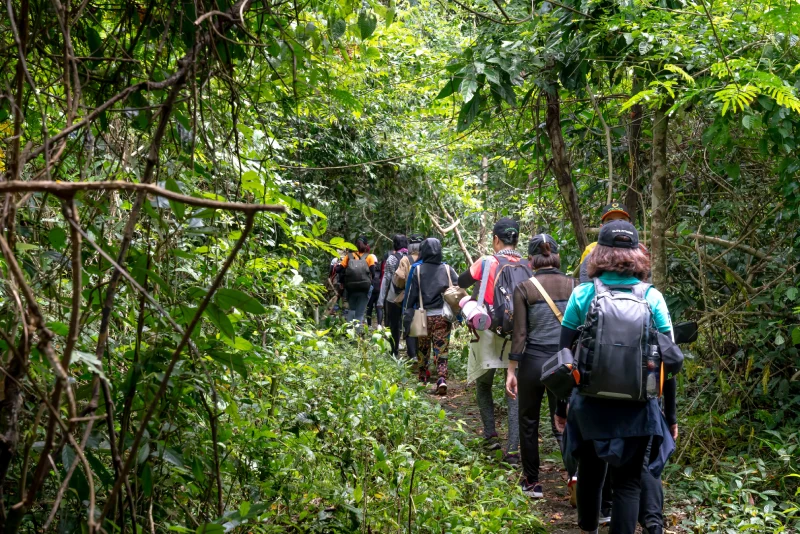
Hiking is when you walk on a establish marked trail for a short fun. You walk a clear path, experience nature around you, and come back to where you began or to the nearest town at night. You will not require any permit, but entrance fee is required is some areas.
What to Expect on a Hiking Day
Most hikes last from 2 to 6 hours and span from 3 to 12 kilometers. There are hikes that ca be a day long, but in all cases, you will be back to sleep at your hotels or at home. You will use a day pak and not a backpack.
Trails are very different. It may be a forest path, a dirt road crossing villages or a staircase up a hillside. The level of difficulty varies from being quite easy and flat to somewhat difficult and with some ascent. There are hard hikes as well, but all can be done in just single days.
Gear for hiking is minimal. You will need durable footwear or trail runners and such things as water, raincoat, sunscreen, and snacks. First-aid kit is necessary too.
Examples of Popular Hiking Trails in Nepal
There are lots of different hikes to try in Nepal. Consider, for example, Shivapuri Nagarjun National Park, Champadevi, or Nagarkot to Changunarayan route. If you are in Pokhara, go for Sarangkot sunrise hike and World Peace Pagoda hike.
The short journeys demonstrate the difference between trekking and hiking; a hike finishes the same day, while a trek continues on.
Hiking Vs Trekking: Which is more difficult?
Everyone assumes that trekking is more difficult activity than hiking. This is mostly true, but sometimes this is not the case. The difference between trekking and hiking all depends on the duration, distance covered, and how the body respond to continuous exertion.
Duration, Distance and Endurance
Day hikes have their exertions concentrated in a relatively short time frame. You work hard, you finish, and then you get some rest. Trekking requires sustained exertion for days. Your body will have to exert itself while tired.
As a result, the body is required to sustain its effort despite feeling tired. This becomes quite difficult after five days of walking. If you sleep in a cold teahouse, the effort becomes even more tiring.
Altitude, Weather and Trail Condition
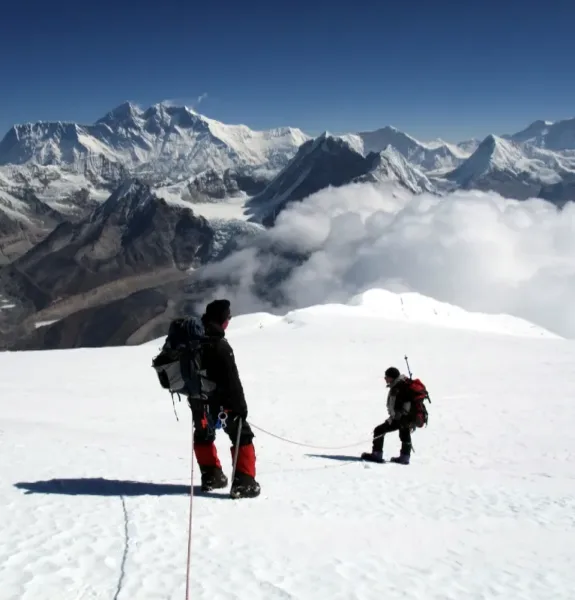
Altitude makes all the difference between trekking and hiking on the trail. While trekking at Everest Base Camp, you sleep above 5,000 meters. Breathing is an effort for your body, and acute mountain sickness becomes a concern.
Changes in weather happen suddenly in the Himalayas. Sunny mornings may turn to snowy afternoons. However, day hikes under 2,500 meters usually do not experience such challenges.
Rest Days and Recovery
Good treks include acclimatization days like Namche Bazaar in the case of Everest trails. Those rest days are both good for your health and allow for recovery. They are one of the hiking and trekking differences people overlook.
Is a Hike Harder than a Trek
Yes, it is possible for a hike to be harder. A strenuous ten-hour hike with 1,500 meters ascent may tire you out more than Poon Hill trek where every day is easy. This is the reason for which it is hard to say what the difference between trekking and hiking is.
What Equipment Do You Need for Hiking and Trekking?
One of the most obvious differences between trekking and hiking is gear. Hiking requires lightweight gear while trekking requires comprehensive gear that keeps you safe for a number of days.
Essential Hiking Equipment
When going hiking for a day, all you will be carrying is the bare necessities that you will need for a few hours. Light packing is one of the most crucial hiking and trekking differences.
- A pair of comfortable shoes: These can be trail running shoes or light hiking shoes that have a strong grip.
- Daypack: One will need a backpack of 15 to 20 liters.
- Bottle of water: One liter should do.
- Snacks: Some nuts, fruit, and energy bars.
- Sunscreen to protect from sunburns
- Raincoat: Weather in Nepal changes very fast.
- First aid kit
Essential Trekking Equipment
Trekking requires much more from equipment as you will be away for days and go up to greater altitudes. In any trekking vs hiking, the quality of gear is extremely important because if any gear fails in the middle of the trek, it can ruin your entire journey.
- Trekking boots: Waterproof boots with good ankle support. Test them in advance before you travel.
- Backpack: 30-40 liters backpack
- Clothes: Underwear, fleece, down jacket, and windproof outer shell.
- Sleeping bag: Required for trips to high routes and camping trekking.
- Trekking poles: Protect your knees during long descents.
- Water purification Tablets or a filter bottle: Help to save money and plastic.
- Head lamp: Frequent power cuts and for early morning starts.
- Personal items: Medications, toilet paper, lip balm, power bank and quick-dry towel.
Correct packing of gear is the practical aspect of the difference between trekking and hiking.
Popular Hiking Destinations in Nepal
You don’t require week or much time to explore nature in Nepal. Just the Kathmandu valley itself offers you a variety of walks which can be undertaken within a single day. Let’s take a look at some of the popular one-day hiking trails in Nepal.
Nagarkot
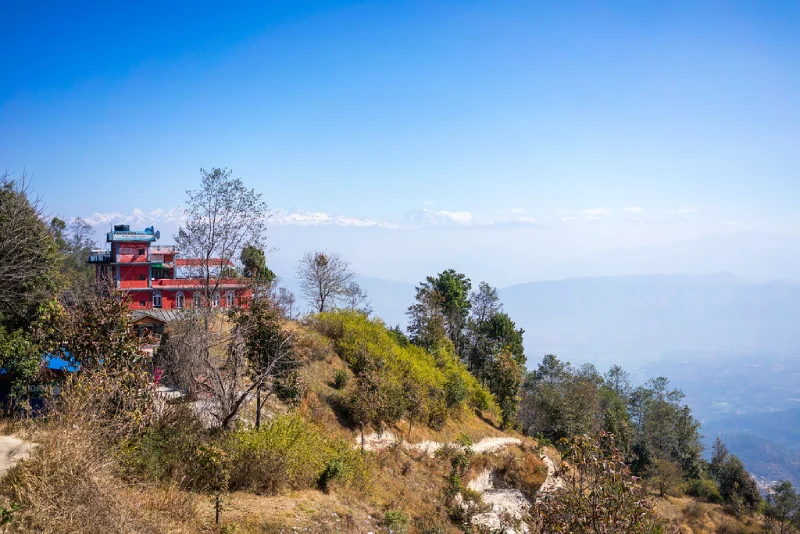
Nagarkot lies 32 km east of Kathmandu and has an altitude of around 2,100 meters. This place is popular for the view of sunrise on the Himalayan ranges like Langtang, and sometimes even on Everest. You can hike through pine forest and small villages. Nagarkot-Changunarayan hiking trail which last for 3 to 4 hours is the most popular route and involves walking downhill, making it beginner friendly.
Phulchowki Hiking Trail
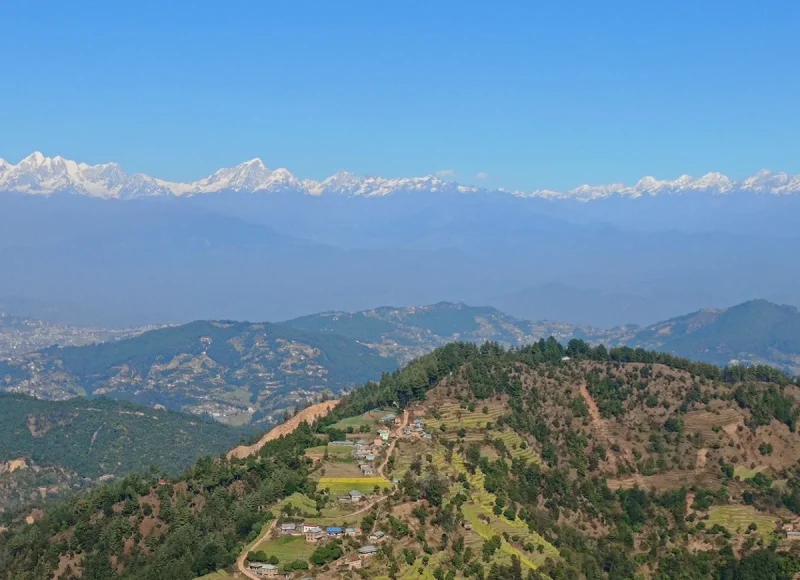
This hiking trail runs through the hills of Phulchowki which has an elevation of 2,780 meters. The walk through the rhododendron and oak forests makes it extremely colorful in spring.
The Phulchowki area offers great scope for bird watching because hundreds of bird species live here. The trail is difficult and strenuous, so plan accordingly.
Tarebhir
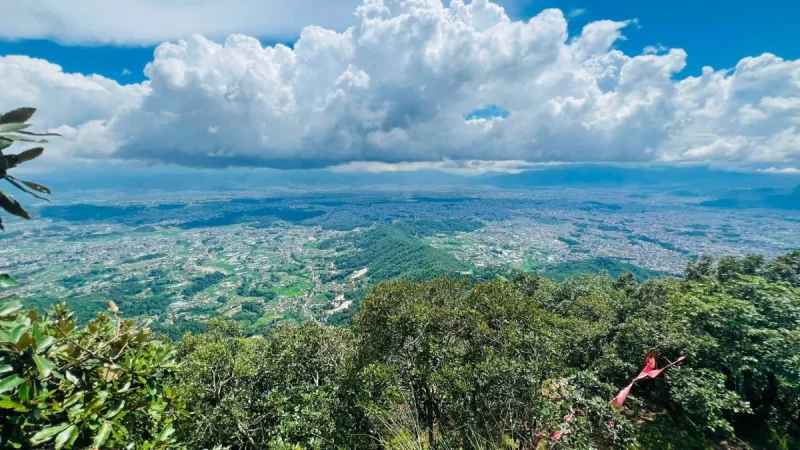
Tarebhir is a short hike that begins near Godawari, to the south of Kathmandu. The hike ascends a forest to a hill where you can have peaceful view of the Kathmandu valley. The hike takes a round trip of two to three hours. This is a good hike for families and other people who want to spend some relaxed time away from the hustle of the city.
Shivapuri
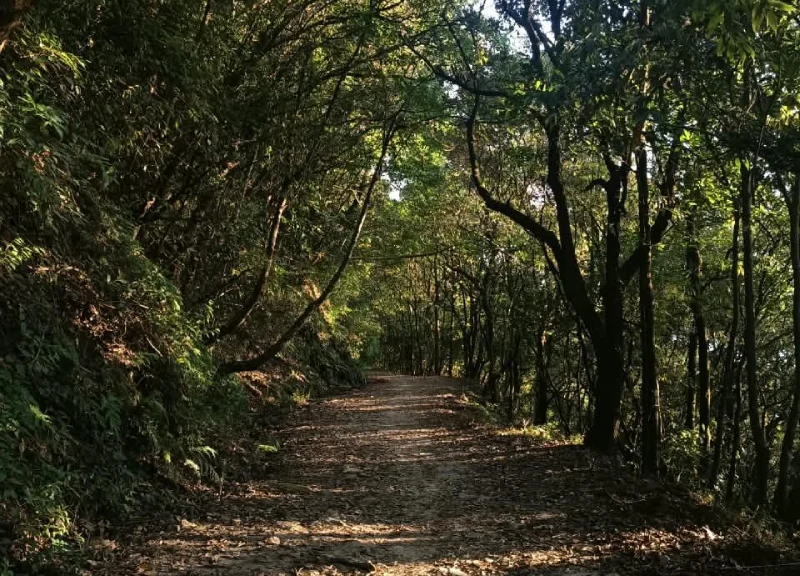
The Shivapuri Nagarjun National Park is situated just a little bit north of Kathmandu. The forest trail takes visitors to viewpoint on hills, monasteries, and panoramic views of the Himalayas.
This park offers natural habitat to monkeys and birds. The entry ticket is required upon entering the park gates. The total time to complete the trek is around 6 to 7 hours.
This is where you will notice the hiking and trekking differences: short distance, easily accessible, and involves sleeping in hotel bed at the end of the day.
Popular Trekking Destination in Nepal
The trekking routes in Nepal offer an experience of lifetime. Every trekking route has its uniqueness in terms of mountain views, cultures, and challenges. Below are Nepal’s popular multi-day trekking.
Everest Base Camp Trek
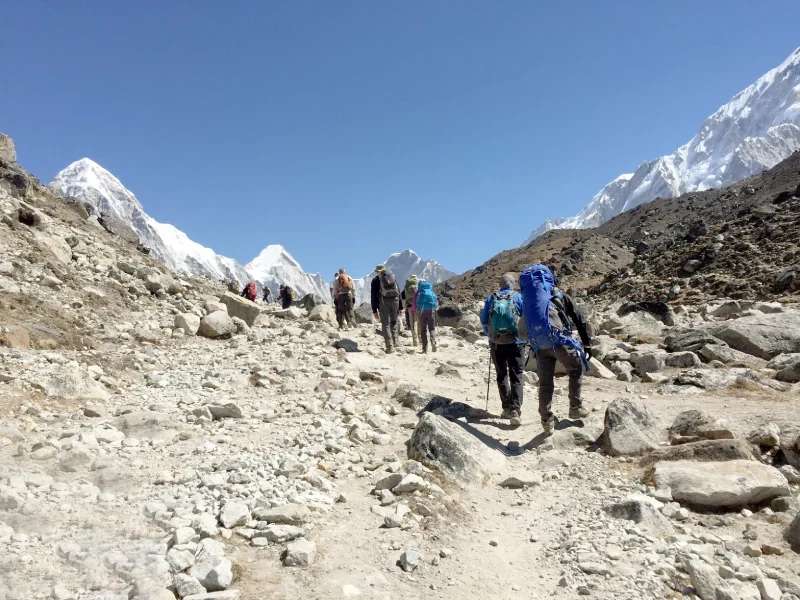
It is one of the most celebrated Himalayas treks. The trekkers fly into Lukla, and then after twelve days of walking, they reach the base camp of 5,364 meters elevation. The trekkers will have an opportunity to walk through Sherpa villages, monasteries, and Namche Bazaar. At Kala Patthar, trekkers get the most amazing views of Mt Everest, but it requires patience due to high altitudes.
Annapurna Base Camp Trek
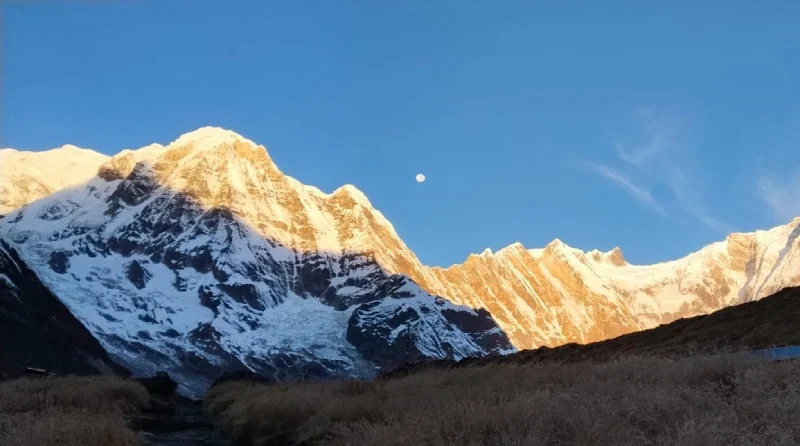
The Annapurna Base Camp stands at 4,130 meters of elevation. It is in a valley surrounded by peaks. It passes through terraced fields, Gurung villages and rhododendron forests. There are teahouses every few hour, so it is suitable for first time trekkers with a moderate level of fitness.
Langtang Valley Trek
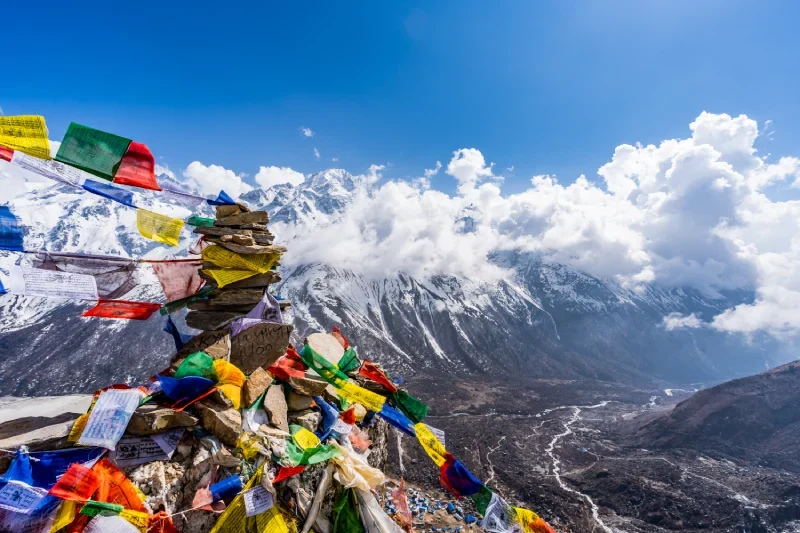
Langtang Valley is located not far from Kathmandu, and people usually take a bus ride there in around seven hours. It is a five-to-seven-day trek through forest, yak grazing lands and Tamang villages.
Manaslu Circuit Trek
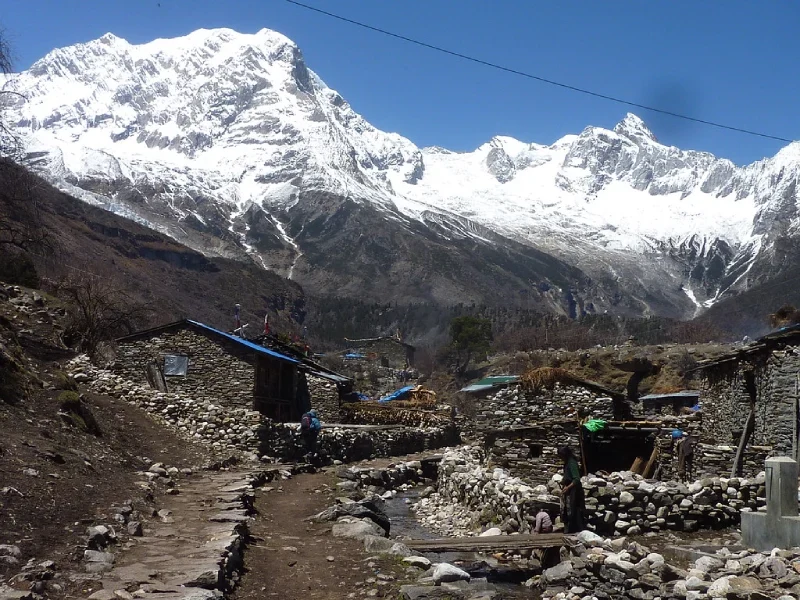
The Manaslu trek is quite difficult and not very popular among travelers. The circuit takes from 12 to 16 days and passes through Larkya La Pass at an elevation of 5,160 meters. Travelers pass through secluded Buddhist villages near the Tibetan border which requires a special permission and a guide to do this trek.
Each route shows the difference between trekking and hiking in a straightforward manner: more days, more altitude, and a bigger sense of adventure.
Should Beginners Start with Hiking or Trekking?
For beginner, I would recommend beginning with hiking to develop their fitness, experience and mountain skills before starting any long trek. Knowing the difference between trekking and hiking can make choosing a suitable initial step easier for you, although many prepared novices manage to hike successfully.
Why Should You Start with Hiking?
With hiking, you will be able to learn some basics without exposing yourself to risky adventure. You will find out how your boots feel, how much water do you need and how your body deals with constant climb. In case of an emergency, the road and a hotel are just a few steps away from you.
It means that hiking helps to find out your weaknesses and work on them before a more difficult adventure.
How to Develop Your Endurance?
At first, you should start with two-three hikes a month, gradually increasing the distances covered. Do some stair climbing, fast walking, and cycling during the week. Also, you should walk long distances in your backpack full of necessary things. Hikes should last from five to six hours with 600 meters of climbing.
Consider hiking as a kind of practice session, where you can figure out all your mistakes prior to the big journey.
When to Consider a Multi-Day Trek
A trek would be the right thing for you if you could hike six hours and still feel okay about it. Choose a path that fits your capabilities. Poon Hill, Langtang, and Annapurna Base Camp are perfect for any beginner, and Manaslu and Kanchenjunga are appropriate for the experienced hikers.
Hire a licensed guide if you do not have enough confidence. They can predict the weather, pace your hiking, and help you detect health issues early.
Never Underestimate Altitude
Even the best physical condition does not safeguard from altitude sickness. Even strong athletes can suffer from it, so climb slowly, hydrate properly, and give your body time to adjust.
Seriously, this is the main difference between Trekking and Hiking
Frequently Asked Questions
What is the difference between trekking and hiking?
The difference between trekking and hiking comes down to duration, difficulty, and overnight accommodation. Hiking is a short walk along marked paths and is usually done in a day. Trek is a multi-day expedition through remote and high mountain areas, often requiring accommodation in guesthouses and camping.
Is trekking more challenging than hiking?
Most often, yes. Trekking involves walking 5-8 hours a day for several days, and this is usually done in high-altitude conditions. However, depending on the route, one day of tough hiking can be more difficult than several days of easy trekking.
Is trekking appropriate for beginners in Nepal?
Yes. Many beginners go for trekking in Poon Hill, Langtang Valley and Annapurna Base Camp.
How long is a trek compared to hike?
A hike takes from two to seven hours, and you sleep at home or in a hotel. A trek lasts for from three days to three weeks.
Do I need a permit for hiking or trekking in Nepal?
Day hikes around Kathmandu require an entry fee which you would pay at Shivapuri Nagarjun National Park. Treks usually require a TIMS card or a local permit in addition to the fees of the national parks and conservation areas. Special permits are required for some restricted regions such as Manaslu.
Do I need a guide or porter for trekking or hiking?
You don’t need either for a day hike. In a trek, a guide will assist with route finding, permits, weather and altitude issues. A porter will carry your heavy luggage leaving only your day pack for yourself.
What equipment is the most important in making difference between trekking and hiking?
Hiking requires a day pack, comfortable shoes, water, snacks, sunscreen, and a rain jacket. On the other hand, trekking requires waterproof boots, layered clothing, a sleeping bag, trekking poles, water purification, and a headlamp.
Which one is suitable for beginners – hiking or trekking?
Start with hiking. It develops your stamina and lets you know the performance of your equipment and yourself. When you get accustomed to doing six-hour hikes, try trekking.
Conclusion: Trekking or Hiking
The difference between trekking and hiking is clear. Hiking means a short and easy walk, with a hotel bed waiting for you in the evening. Trekking means more than one day of traveling, higher altitude, and deeper experience with the mountains.
It depends on how much time you have and what you like. If you have a spare weekend, choose hiking. But if you can spare a whole week, trekking will make Nepal seem different to you.
Don’t know which one suits you better? Then, you can contact us at Epic Trek Nepal.
