




How to Choose the Right Trek in Nepal Based on Your Fitness Level
16 August 2026
By admin
Choosing a trek in Nepal is not an easy trek, especially because of the best route like Everest Base Camp, Annapurna Circuit, Langtang along with other short and beautiful treks. As a result, people often end up focusing based on their scenic beauty, duration or how popular a trail is. But the thing is that even a simple looking trek on picture may turn out to be an entirely different story when you are out there spending days at high altitudes.
What trekkers needs to keep in mind while choosing is that trek’s difficulty does not depend on its distance only. Daily walking hours, altitude gain, steep climbs, weather condition and rest day availability and individual fitness and experience also affect the difficulty during the trek. So, two trekkers that cover roughly the same distance can required different levels of preparation.
Knowing how to choose the right trek in Nepal starts with your current fitness, previous trekking experience, how much time you have to spend and how comfortable you are with changing mountain conditions. A first-time trekker will definitely enjoy a shorter trek like the Ghorepani Poon Hill or Langtang Valley trek, whereas those with some experience may decide to have a longer trek at high altitude.
It is also important to know trekking difficulties levels in Nepal before deciding on a specific trek to choose. Easy, moderate and challenging are convenient terms used to compare the trek, but they do not represent the precise measurements. Trekkers perception of the difficulty on the trek greatly depends on the preparation and reaction to the altitude and extended walking.
Here, you will learn about how you can do a realistic evaluation of your route, choose from alternative treks and know your fitness level for trekking in Nepal. No matter if you are looking for the best treks in Nepal for beginners or planning on taking an exciting adventure into the Himalaya, having the right according to your fitness is important.
What does Fitness level mean for trekking
When people ask, “How fit do I need to be to trek in Nepal?”, there’s not a clear answer because the fitness required for trekking is a combination of various aspect of physical abilities, and they all are important in a certain way on which route you pick.
Cardiovascular endurance helps you walk for several hours without tiring yourself in early days. It doesn’t mean that you have to be a marathon runner, but walking or hiking without any discomfort definitely helps.
Having strong legs is very useful on the mountain since the trek will include climbing up hills and mountains and having strong thighs, calves and glutes will help you a lot during it.
Walking endurance is not exactly fitness and usually this point makes problems for some travelers. A person could work out regularly in a gym but still have troubles with walking for several days. In such case, it is better to train before the trekking journey by taking long walks.
Balance and stability are equally important when it comes to walking on rough, stony and narrow sections of trail. Stability simply allows you to feel in control when walking in natural conditions and makes it less scary.
You should be prepared to both ascend and descend hills as well. Both activities have different effects on your fitness, and ascending affects cardiovascular system, whereas descending can have an unexpected effect on your knees and legs.
Moreover, you need to have some experience with carrying a backpack. It changes your breathing and exhausts you faster than you might think. If you don’t normally hike with a backpack, getting accustomed to this activity during training is extremely important.
All of these individual aspects provide you with a more realistic version of how ready you are for the actual trekking than choosing based on “easy” or “difficult” route.
Best Treks in Nepal for Beginners
While choosing the best treks in Nepal for beginners, it is not enough to find a trek that is the shortest one in Nepal. The factors that should be considered include the level of your physical condition, hiking experience, the number of days, and comfort in uphill walks. There are several routes that provide a good introduction to the trekking without taking you directly to the challenging Himalayan adventure.
Ghorepani Poon Hill Trek provides a perfect start for beginners, who are eager to see mountain, enjoy the village paths, and get some multi day trekking experience. his route includes lots of ups and downs, and plenty of stone steps. Thus, some skills in walking up hills are necessary.
Australian Camp Trek is a shorter trek suitable for those trekkers who would like to feel the Annapurna foothills without having too much experience in trekking.
Short Annapurna treks offer more flexibility if you do not have enough time for trekking in Nepal. Different trails will give you the view of the mountains, but it will not require the commitment needed for a longer loop.
Low-altitude Kathmandu Valley hikes can be beneficial for those who lack experience in trekking. Such hikes around such areas as Nagarkot and Shivapuri will allow you to explore the Nepalese nature and go back to Kathmandu. Such hikes are perfect if you want to check how ready you are for a longer hike.
The short Langtang trek are ideal for beginners with above average physical fitness levels and would like to experience Nepal through the Himalayas. It is important to note that reducing the length of the trek does not reduce altitude and the challenges posed by mountainous terrain.
Best Treks for Moderate Fitness
If you regularly walk, hike, run, cycle and have some experience in trekking, you are ready for some high demanding treks than the beginner’s route. Again, the most trek in Nepal for your fitness level would depend on your hiking experience, altitude adaptability, available time and recovery period after trekking days.
Mardi Himal Trek is good choice if you want to have a relatively short Himalayan treks with lots of climbing and descending. As the altitude changes along the trail type, it really matters to be physically ready to such challenges.
Langtang Valley Trek will provide you with a longer mountain experience involving villages, forests and high Himalayan scenery. Due to several days spent on the trek, the ability to walk long and carry a backpack all the way will require some serious preparation for the trek.
Annapurna Base Camp Trek requires better endurance for walking than the majority of relatively short beginner trails. This route involves prolonged ascending and descending sections, therefore hill walking and stair training in advance would be very useful.
The Everest View Trek is yet another option that offers a glimpse into the Everest region while avoiding the more serious journey to Everest Base Camp. This trek will also be shorter than the main Everest route, but altitude still is a problem, so fitness alone is not enough.
Before the trek, you should increase your time of walking gradually, add hills or stairs into your training and use the actual backpack you will be carrying during your trip. Also, pay special attention to recovery and altitude acclimatization because in moderate level of trekking, you have to walk day by day in high altitudes without breaks.
Treks for Experienced and Highly Fit Trekkers
There are some trekking routes in Nepal that requires not only fitness but a certain level of physical condition from the trekkers. With longer treks, higher elevation, difficult terrain, few place for recovery and more remote trail make the treks into a much more challenging experience. For experienced trekkers, the main issue is not whether they are fit enough but whether their physical condition and previous experience can match to the challenges offered by the route.
The Manaslu Circuit Trek consists of many days of trekking through the mountains and gaining considerable height as well as some remote areas. The trekkers have to cover several days of trekking with changing terrain and also must ensure for acclimatization.
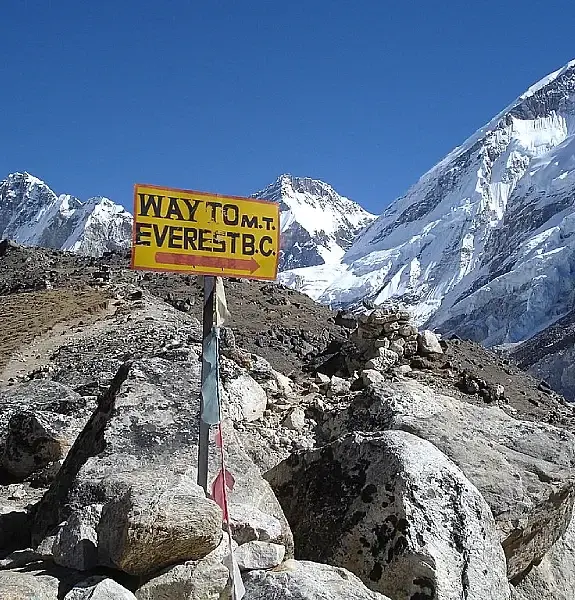
The Everest Base Camp Trek is the route where the trekkers have to continue walking as altitude increases. Distance is not the main problem in this case – climbing, walking downhill, and recovering between days of trekking is quite challenging in terms of endurance and proper pacing
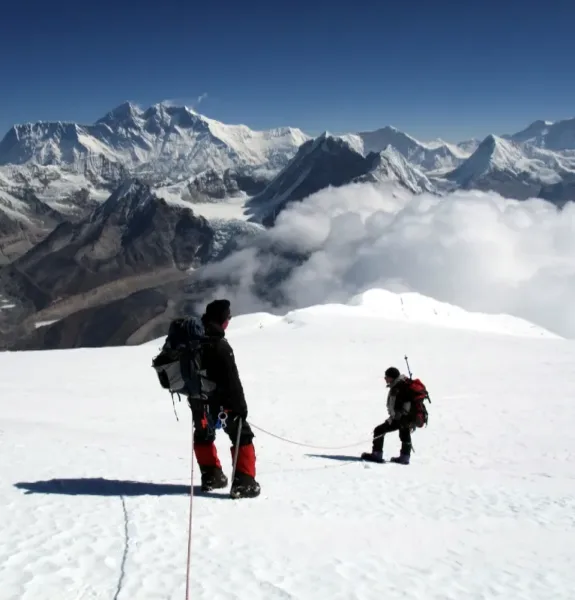
Something even more challenging is the Everest Three Pass Trek, which combines many high altitudes pass in an already difficult trekking route. This trek is best for trekkers who have experience in high altitude trekking, good endurance and also enough confidence for trekking on difficult terrain.
The Lumba Sumba Pass Trek is a trekking route that takes you into the most remote areas of Nepal’s eastern side, with long days, wilderness trekking, variable terrain and limited facilities.
Also, the Upper Mustang Trek and other tough, restricted areas such as this can include remote terrain, long walking days, altitude, and difficult terrain, depending on the itinerary.
Fitness Isn’t the only factor: Why Altitude matters?
When choosing the Right Trek in Nepal, being physically strong will definitely make it easier, but it doesn’t help protect again the altitude. This is very important issues while choosing Nepal trekking difficulty levels. Even the most active person, who runs or hike frequently, or has very tough training session in the gym, may feel pretty bad while ascending rapidly to greater altitudes.
Acclimatization allows your body to adapt to lower oxygen level. It is exactly because of that reason that properly planned itineraries for high altitudes include gradual ascent, and sometimes acclimatization or rest days. These days are not the additional time placed between the trek, but an integral part of preparation for further ascent.
It is also important to take care of proper hydration when trekking on altitude. Drink frequently during the day, paying attention to the condition of your body rather than waiting until you feel thirsty to do something about it.
You should also learn to identify the possible signs of altitude illness such as headaches, dizziness, strange tiredness, nausea or sleeping problems. Do not ignore these signs and consider yourself obliged to struggle through them regardless of everything. Report to your guide and follow the correct altitude sickness recommendations when these signs appear or become stronger.
This is one major reason why rushing the trekking itinerary doesn’t usually end up being effective. Reducing days in order to cut time leads to the increasing of the speed of elevation, leaving you with less time to adapt to new conditions.
While making a trekking plan for your adventure like the Everest Base Camp Trek, Manaslu Circuit Trek, or Three Passes Trek, pay close attention to the schedule and elevation gain on a day-by-day basis, rather than assessing the route based on the fitness level required. This is because Epic Trek Nepal provides a well-thought-out trekking plan to acclimatize properly, with a perfect balance between walking days, rest days, and altitude gain.
In simple terms, understanding your fitness level for trekking in Nepal is just a part of the whole process. The altitude, pace, acclimatization, and your body’s response to altitude are equally important.
How many hours should you be able to walk?
One of the easiest ways to determine whether you are ready for certain trek is through evaluating how easy it is for you to remain on your feet for several hours without much effort. There is no magic formula when it comes to the number of hours of walking which will make you fit enough to complete the specific trek. The intensity of your walk, altitude, trail quality, frequency of stops and your own experience will determine how challenging your day is.
In order to prepare yourself for the trek, it is necessary for beginners to start with short hours of comfortable walking and work your way up. It is not necessary for you to walk for the entire time it takes to complete the trek every single time, but you can certainly practice before you go.
If you have moderate fitness levels, then your goal is to be able to walk on hiking trips for extended periods of time and handle inclines and declines at the same time. It is very important in this case to train on varied terrains as well, as there are hardly any flat areas in the mountains at all.
For those who are well-experienced and are planning some hard hikes, it is essential that they can take long days of walking, along with climbing to great heights. The training should include rest, because it is a completely different matter to hike one day than to do multiple hikes in a row without having much rest.
| Fitness level | General preparation target |
| Beginner | Build toward several hours of comfortable walking |
| Moderate | Handle longer hiking days with elevation changes |
| Experienced | Prepare for consecutive long days and significant elevation gain |
These are the trekking preparation recommendations and not any medical guidance or fitness criteria. Ultimately, it is the trekking route that will decide your training goal. Find out how many hours you would be trekking in a day along with the other parameters of the trail and prepare accordingly rather than just aiming at an exact number of hours.
How Your Trekking Experience Changes Your Choice
Your experience level in trekking changes far more than most think. It affects your interpretation of the trail, your pacing and ultimately your enjoyment of the whole process. While an experienced trekker may walk down a mountain trail with confidence and ease, an inexperienced trekker will be seeing and feeling the same trail quite differently, even when following exactly the same route.
If you are a beginner, your body will not yet have adapted to sustained walking on uneven surfaces. A stair that looks easy from pictures can exhaust you much quicker than anticipated. Pacing yourself requires experience and your body is yet to gain it. Therefore, better for beginners to take shorter routes.
After a few treks, you learn to read the conditions of the path naturally. You understand how your knees cope with downhill trails, how much water you really need, and when you need to slow down before becoming tired.
Experienced trekkers have an important quality that cannot be achieved through training and that is instinct. It allows adjusting to difficult weather conditions, difficult terrains, and different altitudes without panicking. This is exactly why difficult trekking paths require a certain comfort level that can only be reached through hiking experience.
How to Choose the Right Trek: Quick Decision Guide
It definitely becomes much easier to choose the best suitable trek when you begin comparing the fitness level, your experience with hiking, the time you have, and how you tolerate altitude instead of blindly following the popular routes.
First trek + Low fitness -> Short Trek
If this is your first time in trekking and you do not exercise or walk on hills regularly, it is advisable to start with a short trek. You can begin with an easy trek in the Kathmandu valley, the Australian Camp Trek, or any other easy trek in Annapurna region. This will give you a chance to see how your body responds to continuous walking.
First Trek + Good Fitness -> Moderate Trek
If this is your first trek and you have good fitness because of your regular walking, hiking or exercising, it would mean that you have enough fitness to handle routes like Ghorepani Poon Hill, Mardi Himal or Langtang.
Regular hiker + Good endurance -> Longer or higher routes trek
If regular hiking is something that you are used to, and you do not have a problem walking on trails with elevation gains, then Himalayan challenging trails could be an option for you with proper preparation.
Experienced trekker + good fitness -> Challenging treks
Those trekkers who have gained experience at high altitude and endurance might think about difficult treks such as Manaslu Circuit Trek, Three Passes Trek, or Lumba Sumba Pass Trek. They demand preparation in terms of long walking days, steep elevation gain, remoteness, and recovery from tough stages.
Frequently Asked Question
What is the best trek in Nepal for beginners?
Trekking routes like Australian Camp, short Annapurna trekking, and short Kathmandu Valley trekking usually offer a great starting point for beginners?
What level of fitness do I need to take in Nepal?
The ability to walk several hours, going both uphill and downhill, is required. How fit one needs to be depends on the duration, altitude, and the nature of the terrain of the trek in question.
Can an unfit person trek in Nepal?
This depends on the specific trail since lower altitude trails can be undertaken after some preparation while the others require higher levels of endurance.
What is the best Nepal trek for a beginner?
There are several options to consider including Ghorepani Poon Hill Trek, Australian Camp Trek, shorter Annapurna trails, and some good routes in Langtang Valley.
Is Everest Base Camp suitable for beginners?
This trek may be possible for a properly prepared beginner, but it needs to be understood that this is not an easy one. Preparation plays an important role.
How many months should I train before trekking in Nepal?
Well, there isn’t an exact answer to this. If you’re someone who isn’t very active already, training for several weeks to a few months will allow you to gain sufficient stamina and fitness levels required for the trek.
Does begin physically fit prevent altitude sickness?
No, it’s doesn’t! And this one really confuses people. Being fit doesn’t mean you will be safe from altitude sickness.
Which trek is the hardest one in Nepal?
There are many different hard treks in Nepal and each of them will be very challenging to you depending on your physical shape and experience. But there are some specific high passes and remote routes such as Three Passes Trek or Lumba Sumba Pass Trek.

Table of Contents
- What does Fitness level mean for trekking
- Best Treks in Nepal for Beginners
- Best Treks for Moderate Fitness
- Treks for Experienced and Highly Fit Trekkers
- Fitness Isn't the only factor: Why Altitude matters?
- How many hours should you be able to walk?
- How Your Trekking Experience Changes Your Choice
- How to Choose the Right Trek: Quick Decision Guide
- Frequently Asked Question