
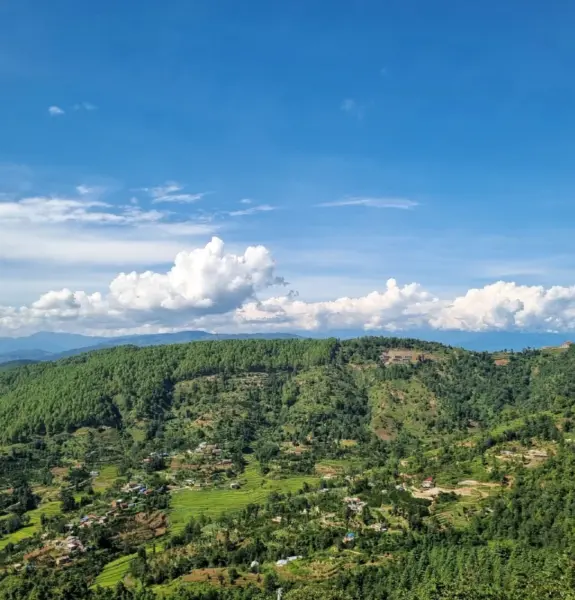




What Happens If You Get Sick or Injured While Trekking in Nepal?
18 October 2026
By admin
Imagine this scenario. You are only three days into your trek and you have been enjoying yourself, the scenery is beautiful, your body feels great, when all of a sudden your stomach begins cramping. Or perhaps you slip and twist your ankle as a result of slipping on some rocks. This means that trekking has suddenly become a very different experience for you.
It is more common than people might imagine. It could happen even to someone who has prepared himself/herself extremely well before starting his or her trek. It could be diarrhea, an intense headache due to altitude or maybe a sprained ankle. And the mountains couldn’t care less about how well you have packed!
What Happens If You Get Sick or Injured While Trekking in Nepal? Well, the truth is, it depends! Some issues require no more than proper rest and treatment in a mountain lodge. Other situations can be addressed by a local medical station. Serious cases may need an immediate descent or evacuation.
There are four factor that will influence this process: the severity of the problem, your position along the way, your distance from medical services, and the possibilities offered by the weather and transportation.
This is why every trekker must learn about the process of trekking emergency in Nepal in advance, before going to Nepal. It will help you stay calm and make wise decision, which are crucial for your health and even life.
In our guide blog, you will learn what happens if you get sick or injured while trekking in Nepal, what to do if you become ill on the path, how a trekking guide can assist you, and under what conditions the evacuation via helicopter is needed. We also provide information about the role of travel insurance in this process. Read and discover all details.
What Are the Most Common Medical Emergencies During a Nepal Trek?
All trekking hazards are basically common in nature. Being aware of them will help to see them on time and also will help determine what kind of actions should be taken – sometimes a person just needs some rest, but sometimes descending is necessary.
Altitude sickness
Headache, vomiting, dizziness, trouble sleeping and strange fatigue are the symptoms. They usually ignored by trekkers, but it is a big mistake because the symptoms can increase rapidly as the altitude rises and confusion, lack of breath at rest, and imbalance show the necessity of descending.
Falls, sprains and other injuries
In Nepal, trekking routes involve walking over loose stones, steep stones, and slippery and muddy terrain. Fatigue makes it easy for your feet to lose footing especially during downhill walk. Sprained ankle and a painful knee may make it impossible for you to walk.
Food poisoning and stomach problem
Vomiting, diarrhea, and stomach pains are quite frequent while trekking. They come fast, causing dehydration that drains your strength. Wash your hands regularly, stick to treated drinking water, and eat freshly prepared foods. Ask for medical help if you are unable to retain liquids, feel extremely dizzy, or have reduced urine output.
Health problems related to cold and exhaution
Wind, wet clothes, and scanty layers take away body heat. When combined with exhaustion, the condition becomes more dangerous. Layer yourself appropriately, make frequent stops when necessary, and report shivering, numbness, and mental confusion to your guide.
Serious or progressing symptoms require medical consultation without delay. Recognizing problems associated with health conditions while trekking in Nepal begins by understanding them.
What Should You Do If You Get Sick While Trekking?
It all starts in the first few minutes. By following these six steps, you will be able to make more sound decisions in case of an emergency.
Inform your guide or trekking companion immediately.
No hiding your symptoms. Most of the trekkers keep quiet for fear of holding the others up. This is a mistake. The group can spare one day but not a developing condition.
If you have any symptoms, then stop hiking.
Ascending further when symptoms of AMS become more serious is dangerous. Either rest or descend, do not ascend further in hope that “it will pass.”
Assess the severity of the symptoms.
The guide can assess the situation, discuss it with the lodge owners and organize help. However, remember that your guide is not a doctor.
Rest and consult the medical experts.
In mild cases, the patient needs nothing but rest and water. You may go to a health post or clinic for more information in case the situation is unclear. Severe symptoms like confusion, chest pain, or difficulties breathing require quick actions.
Make arrangements for descent or evacuation.
The best way depends on the kind of your disease, location, weather, and the ways to move around there. In some cases, descending slowly on foot is enough. But there are situations when there is no other way than rescue by helicopter in Nepal.
Inform your emergency contact person and insurance company.
As soon as possible contact your insurance company in accordance with their emergency procedure. And then inform your relatives. This is what happens when a trekker gets sick in Nepal.
Every emergency situation related to trekking in Nepal becomes much simpler when you know these steps in advance.
When Is Altitude Sickness a Medical Emergency?
Altitude sickness can vary in intensity from irritating to fatal. What matters is understanding the point at which mild becomes fatal. There are definite signs in the body. You only have to pay attention to them.
The commonest type is acute mountain sickness. AMS causes headache, nausea, dizziness, tiredness, and lack of appetite. The condition starts off being mild but can become worse with continued ascent, so you should stop and inform your guide.
High-Altitude Cerebral Edema (HACE)
HACE involves swelling of the brain. It is fatal. Look out for disorientation, irrational behavior, difficulty walking in a straight line, and sleepiness. Someone behaving out of character definitely needs help.
High-Altitude Pulmonary Edema (HAPE)
This occurs when fluid collects in the lungs. Symptoms include unexpected breathlessness, non-stop cough, breathing problems, and a sudden reduction in ability to exercise. Unexpected breathlessness while at rest is especially serious.
When should action be taken?
In the case of severe or deteriorating symptoms, immediate professional medical care is required. If you suspect HACE or HAPE, it is best to descend from the high elevation as soon as possible. Oxygen or medical assistance should be used as soon as possible.
The ill person must never be left alone. You can’t wait for the symptoms to pass. This is the most dangerous situation during trekking in Nepal, and in case of bad weather or rough terrain, the quickest way might be using a helicopter in Nepal.
Recognizing these symptoms will give an answer to one of the biggest questions: : what happens if you get sick while trekking in Nepal at high altitude? Quick recognition and early descent save lives.
How Does Your Trekking Guide Help in an Emergency?
Guides do much more than lead the way. In case of any problem, they will be the first person to help.
Here are the tasks that a guide usually performs:
- Spot early warnings. Your pace, color, tone, mood are monitored daily by them. They observe your health status and detect any changes you may not.
- Provide emergency care based on their training. It can include blistering, wrapping a sprain, or warming the chilled trekker.
- Change the schedule. They will organize a stopover, a rest day, a descent, or a route modification if necessary.
- Call for assistance. Guides reach out to the trekking company, to medical staff, or emergency rescue services.
- Give crucial information. They give your location, symptoms, and your medical history to responders.
- Handle logistics. They organize transport and help you communicate with your insurance.
This is how your guide handles the emergency of trekking in Nepal. However, there are certain limitations to his role. The guide is not a doctor. He cannot guarantee immediate evacuation since it depends on weather, terrain, and signal among other things.
So what happens if you get sick while trekking in Nepal with a guide beside you? You get faster decisions, clearer communication, and someone who acts while you rest.
Where Can You Get Medical Help While Trekking in Nepal?
Access to medical facilities varies greatly depending on the path taken. The popular paths provide many choices, whereas remote paths have almost none. This should be known in advance, enabling realistic planning.
Local health posts or clinics. Most trekking destinations have small health posts or clinics. The level of staffing and availability of supplies varies. Some do basic health care efficiently, and some only provide first aid.
More developed trekking villages. Busy villages along the Everest and Annapurna routes will provide better-equipped clinics or temporary health aid stations. Langtang is typically less busy; therefore, the medical facilities might be further away.
Hospitals in town/city. For serious illness or injury, one should be evacuated to the nearest town or city hospitals like Pokhara or Kathmandu. It may take many hours or even one or more days depending on the weather condition and the accessibility of air travel services.
After helicopter evacuation in Nepal, you will be taken to a hospital in the city for scanning, treatment, and medical examination by specialists.
This is how things work in case you become sick in Nepal in an area which cannot be reached using roads.
Helicopter Rescue in Nepal: How It Works?
This is the question many trekkers ask themselves: is it possible for a helicopter to come to me in case of an emergency on the trekking route? Usually, yes, but not automatically and always with a delay.
When you may need a helicopter
In cases when it is dangerous to go down by foot, or when the time needed is too long, doctors and guides order the use of a helicopter. Usually, the case of using a helicopter in Nepal is a serious injury, HACE/HAPE, or other medical emergency situations.
How to make a call for rescue
First of all, inform your guide about the situation. Then, he/she contacts the trekking agency which organizes everything and informs the helicopter crew about your condition.
Why Weather And Timing Are Important
Weather conditions like wind, clouds, poor visibility, high altitude and rough landing zone could cause a flight to be delayed or even cancelled. Even airplanes have limitations and it is likely for the pilot to choose morning because it is usually clear.
A rescue mission will not be immediate due to several reasons such as remote locations, poor phone connectivity, helicopter availability, and proper landing place for the helicopter. What will happen in case you fall ill during your trekking mission in Nepal and the weather turns bad is that you will probably have to wait, therefore rest and keep yourself warm.
Helicopters are transportation, not medical treatment. They cannot replace the medical assessment or first aid provided before the emergency. All trekking emergencies in Nepal begin with proper decisions on the ground.
Does Travel Insurance Cover Sickness and Helicopter Evacuation in Nepal?
That is not always the case. Most of the hikers believe that every type of travel insurance is enough.
Ordinary travel insurance offers coverage for cancellations, baggage loss, and some medical expenses. Standard travel insurance ends its coverage at a certain height. A policy built for trekking states clearly that it covers high-altitude walking and emergency evacuation.
Check-lists for your policy
Before purchasing the insurance, make sure that it covers:
- The highest height that you can reach in your journey.
- Emergency helicopter evacuation due to illness.
- Medical care in hospital and emergencies.
- Search and rescue operations, if required during your journey and covered by the policy.
- Repatriation to your home country, if needed.
One major warning
Insurances do not always cover all flights or costs. There are always exclusions and restrictions. Learn the terms of the agreement and get everything documented in writing from your insurance company.
This kind of preparation determines what happens if you get sick or injured while trekking in Nepal and who will pay for an expensive helicopter in Nepal.
How Can You Prevent Getting Sick While Trekking in Nepal?
The mountains cannot be controlled. However, what you can control is how prepared you are to handle the mountains. Proper practices will lower your risks greatly, and many of these are free.
Preparation before the hike
- Visit the doctor. Explain your path and altitude to your doctor.
- Prepare physically by climbing uphill, using stairs and carrying weight-bearing packs a few weeks before flying.
- Take along a small first aid kit. The kit should contain items for treating blisters, dehydration, pain and your personal prescription drugs.
- Purchase the proper insurance. Be sure your insurance covers the altitude you will climb and the expenses for emergency evacuation.
- Pick an appropriate route. Rest days count. Find out from your travel company how they incorporate acclimatization in your itinerary.
During the trek
- Wash your hands. Always wash your hands prior to each meal. Bring sanitizer in case there is a lack of water.
- Drink only treated water. Drink water filtered through a filter, purified using tablets, or boiled.
- Eat freshly cooked food. Food that has not been sitting around carries less chance of diseases.
- Layer up. Put on and take off clothes at an early stage while feeling neither hot nor cold.
- Protect your feet and skin. Use sunscreen, a hat, and appropriate footwear. Stop at the first appearance of a blister.
- Be honest and open. Any minor issue is easier to solve than a major one.
For high-altitude trekking
- Walk slow. Walk at such a pace that you can easily cooperate.
- Follow “climb high, sleep low” technique. Whenever possible, spend your days at a higher altitude and sleep at a lower altitude.
- Drink sufficient liquid intake and rest. Stay away from alcohol, consult your doctor regarding altitude medicine.
- Never ignore the symptoms. Preventive measures are the best way of addressing what might happen in case of illness while trekking in Nepal, and they will reduce your chances of having a trekking emergency in Nepal.
How Can You Prepare for a Medical Emergency Before Your Trek?
Proper preparation requires a few hours from your home. In return, this will help you to avoid a lot of stress on the trek. Go through the following list of recommendations before taking a flight.
- Purchase the right insurance package. Insure yourself according to your real itinerary and maximum altitude.
- Save the number of the insurer company for emergencies. Keep it both on your phone and in writing.
- Take the insurance documents. Have both a digital and paper copy of them separately.
- Inform your trekking operator about any health issues. Tell about the allergy, condition and medicines that you have.
- Take personal medication and first-aid kit with you. Carry extra supplies of your medicine in case of delays.
- Prepare a reasonable acclimatization plan. Leave some rest days and be careful while climbing.
- Provide your itinerary. Share your route and the dates when you will be trekking with your family or someone you trust.
- Ask about their emergency procedures. Learn how your company is going to act in case of an emergency and how they will contact you.
If you ask these questions early on, you will be able to determine what happens if you get sick or injured while trekking in Nepal way before anything even occurs.
Preparation helps eliminate unnecessary problems. It does not eliminate all problems, but preparation makes dealing with surprises much easier.

Table of Contents
- What Are the Most Common Medical Emergencies During a Nepal Trek?
- What Should You Do If You Get Sick While Trekking?
- When Is Altitude Sickness a Medical Emergency?
- How Does Your Trekking Guide Help in an Emergency?
- Where Can You Get Medical Help While Trekking in Nepal?
- Helicopter Rescue in Nepal: How It Works?
- Does Travel Insurance Cover Sickness and Helicopter Evacuation in Nepal?
- How Can You Prevent Getting Sick While Trekking in Nepal?
- How Can You Prepare for a Medical Emergency Before Your Trek?