How Difficult is the Everest Base Camp Trek for Beginners?
Most people consider Everest Base Camp Trek a moderate trek, but this label doesn’t apply for everyone. You have to spend from five to seven hours walking on rough terrain. This is not the problem on its own, but it done or more than one week, so fatigue sets in eventually.
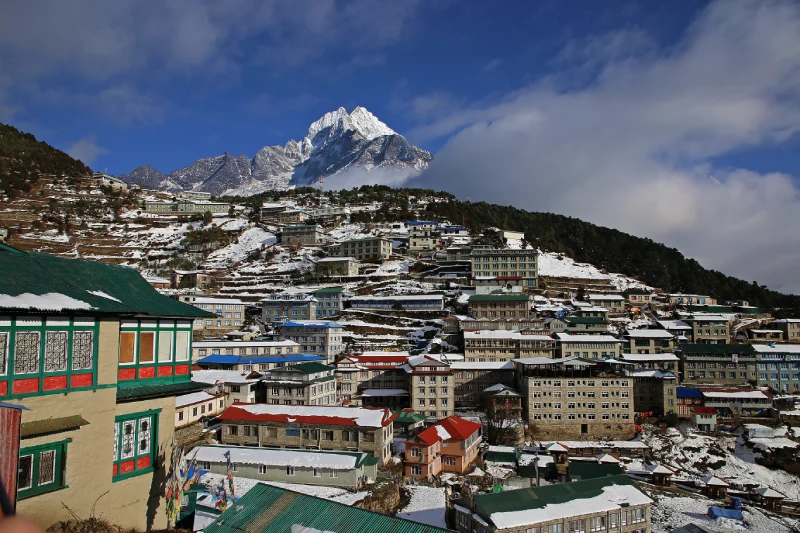
In addition, the trail involves constant climbing up and down the mountain. You walk up the steep paths from Namche Bazaar and descend to rivers and then start ascending again. our knees have to endure the descent parts as your lungs endure the ascent.
There are a lot of rocks and uneven spots along the way. Loose rocks, stone stairs, and dusty slopes require great caution from your part. Here trekking poles come handy, and the guide helps to pick the right route.
There is also altitude. As you cross 3,500 meters, you have to work extra hard. Headaches, insomnia, and loss of appetite are some of the symptoms of altitude sickness, then even experienced suffers if they are not careful enough.
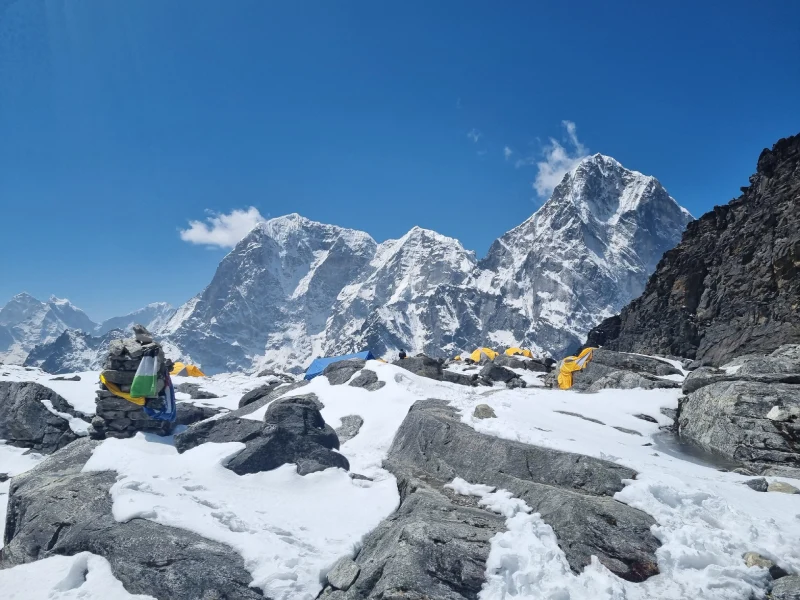
Climatic conditions pose another difficulty. It is hot during the day, but at night the temperature in areas like Dingboche, Lobuche, and Gorak Shep falls significantly below zero degrees. It is important to bring a quality sleeping bag and warm clothing.
You have to consider your mental readiness too. There might be mornings when you wake up exhausted, cold, and short of breath. But you have to put on your boots and start walking.
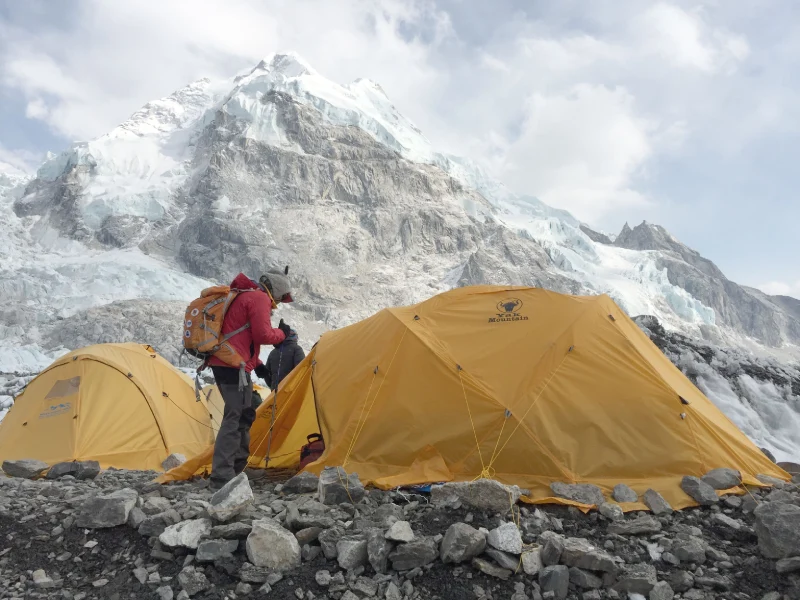
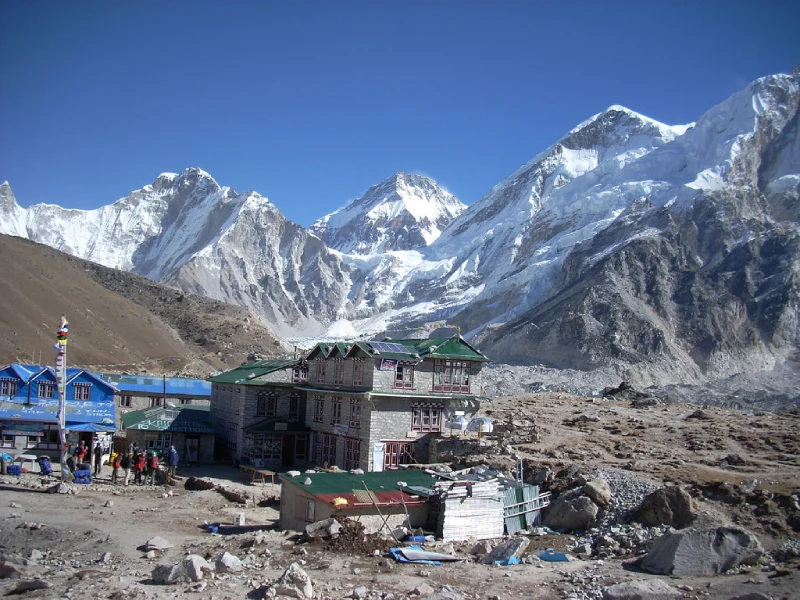
This is why the Everest Base Camp Trek for Beginners is such a challenging task, not an easy one. To reach the 5,364-meter peak will be quite an accomplishment even for an experienced climber.
Best Time for a VIP Everest Base Camp Trek
Timing is everything. Proper timing provides clear visibility, safe routes, and even smoother flight. Here is what each season is like for the VIP Everest Base Camp Trek for Beginners.
Spring (March to May)
Spring offers warm weather and energetic trails. The rhododendrons in the forests below Namche Bazaar and beyond blossom into red and pink hues with crystal clear views of entire Everest region, although some clouds build up in the afternoons.
Autumn (September to November)
Autumn is the peak season because everything is just right about this time. The weather is clear and the views of the Himalayas are clear. Just make sure to book ahead of time because everything will be packed and have to be prebooked for smooth adventure.
Winter (December to February)
Winter weather is very cold, particularly at night. There may be snow on the route and some higher altitude lodges shut down. Still, you can trek, but not as an beginner trekker.
Monsoon (June to August)
Monsoon brings rainfall and clouds that covers the entire view. The views become obscured, paths are slippery, and there are often delays in flights to Lukla. Most new trekkers should avoid this season.
Our Suggestion
Mostly, we suggest either spring or fall to the first timers because of the favorable conditions. There is stability in weather, and it is pleasant to walk around. Still, the mountain weather can be very unpredictable.
If you have any queries, we can always answer any of your questions concerning dates and the best time for your Everest Base Camp Trek.
How to Prepare for the VIP Everest Base Camp Trek
Proper preparation will make the journey more achievable. Get an early start, practice consistently, and pack carefully. Below are instructions on how to prepare for the VIP Everest Base Camp Trek for Beginners.
Physical Fitness and Training
Start your training two or three month before your trek. Walk or hike consistently, increasing the distances gradually every week. Always carry a loaded backpack when undertaking your longer journeys.
Make your heart and lungs stronger through cardio exercises like Jogging, cycling, swimming, and stair-climbing are highly recommended. You should exercise three or four times a week.
Do leg strengthening as well by performing squats, lunges, and step-ups to reduce knee injuries while descending from steep areas.
Finally, undertake five to six-hour long walks continuously for one month before the trip. This will allow your body to adapt to overnight recovery, something necessary while trekking.
Mental Preparation
You need to be prepared for long tiring days of trekking, where you might sometimes feel like quitting and just go home. You need to walk at your own pace without focusing on other people passing you. Slowly but steadily is how you will reach the Everest Base Camp.
Also, be prepared to adapt. Unpredictable weather and altitude may change everything. Delays may occur while flying, and your guide may add an extra day if your body requires it.
Gear for Treks
Your equipment is very important, and much more than many beginners assume. You should concentrate on:
- Good trekking boots that fit you properly and have enough ankle support
- Down Jacket and Thermal layers
- Trekking poles
- Gloves, hat and sunglasses
- Comfortable 25-30 liters backpack
- Sleeping bag according to the season because high altitude lodge remain cold
Sleeping bag and down jacket can be rented in Kathmandu if you prefer not buying it. We’ll help you get other items from the list before you start your Everest Base Camp Trek.
Accommodation and Food During the VIP Everest Base Camp Trek
Even on the VIP Everest Base Camp Trek for Beginners, some services will become more basic as you go higher up and that is what makes it interesting.
Hotel in Kathmandu
You stay at a nice 5-star hotel in Kathmandu. You will get your own private room, hot water, good Wi-Fi, and a real bed. This is a good place to relax both before and after the trekking.
Lodges and Teahouses Along the Trekking Route
Along the trekking route, you stay at mountain lodge or tea houses. We will book the best available accommodation in the village. In Lukla, Phakding, and Namche Bazaar, you might get a private room with an attached bathroom.
Further on, conditions will deteriorate significantly. Especially at higher altitudes, above Pangboche, especially around Lobuche and Gorak Shep villages, rooms become basic and walls thin. Don’t mind the shared bathrooms and freezing nights because it is still expected even on a VIP trek.
What You Eat
Menus at lodges are larger than most people expect. Here is what you can get:
- Dal bhat (lentil soup, rice, and vegetables), the traditional trekking meal
- Noodles, fried rice, and vegetable soups
- Potatoes, eggs, pancakes, and porridge
- Pasta, pizza, and momos in larger villages
Refills of Dal bhat are usually free, which will help you out after a long day. These meals may not be very fancy but they will make you feel full and energetic preparing you for tomorrows adventure.
Water, Showers, and Charging
For drinking water, you can purchase boiled or filtered water in lodges, use purification tablets and a filter bottle. Do not buy plastic bottles, as they create a lot of waste on the trail.
Hot showers are common in many lodges but have to be paid for separately and are unavailable above Dingboche. Wi-Fi and charging are also paid separately but they are unreliable and slow. We would suggest carrying a power bank that can charge 2 to 3 time on your Everest Base Camp Trek.
Visa and Permit Requirement
There are certain visa and permit requirements for those who are planning to VIP Everest Base Camp Trek. You will have to obtain the visa first and then get the permits required for the trekking process.
Visas can be obtained from the Tribhuvan International Airport in Nepal upon arrival. However, there are certain requirements that one has to fulfill for obtaining the visas, such as the visa charges, photos, and passport. There are different types of visas that last for 15 days, 30 days, or 90 days.
For VIP Everest Base Camp Trek permit, there are two major permits required. These permits include Khumbu Pasang Lhamu Rural Municipality Permit, and the other one is the Sagarmatha National Park entry permit, which we “Epic Trek Nepal” can easily issue for you so that you don’t need to bother about the logistics part of it. The two above permits are the requirements while trekking to Everest Base Camp, and your permits will be checked at different places while trekking.
Things You Must Not Do During the Trek
While the VIP Everest base camp trek can be a wonderful experience for you, you need to avoid certain things so as to make the whole experience worthwhile and pleasant for you. There are many trekkers who have certain problems simply because they do not follow these guidelines.
During the Everest base camp trek, you must not be in a hurry. Being in a hurry can result in altitude sickness. It is very important that you take your time walking.
It is important that you avoid drinking alcohol and smoking. This can cause your body to lack adaptability. Drinking plenty of water is very important during the Everest base camp trek.
Please do not ignore the early signs of altitude sickness which include headache, nausea, and dizziness. In case you have any of these symptoms, please let your guide know right away.
Do not overpack because extra weight will just cause you to be exhausted. This means that it would be best for you to carry only the essentials when trekking through the Everest Base Camp.
Do not disrespect the culture and tradition of the locals. Please always seek permission from the locals prior to taking pictures.
Lastly, it is very important for you not to litter along the way. This will keep the natural beauty of the Himalayas intact.
Avoiding these mistakes will allow you to fully enjoy your trip.
Travel Insurance
Travel Insurance is an absolute necessity for the climb to the Everest Base Camp Trek. Insurance will ensure that you are covered against any unforeseen expenses that may come (medically, injury, or trip interruption). Ensure that your insurance plan covers High Altitude Trekking, up to 6,000 meters.
After High Altitude Trekking insurance coverage, the next most important insurance coverage that you will need is coverage for Helicopter Evacuation. According to how remote your location is (for instance, Gorak Shep), a helicopter evacuation will be needed in case of a emergency situation. The cost of this can be very expensive if you are not insured!
Apart from protecting you in case of something happening to you during the trip, your travel insurance also should cover all situations arising from the delay or cancellation of flights. This happens frequently because of the climatic conditions and therefore affects the overall trekking experience at the Everest Base Camp.
Before buying your travel insurance, ensure that the one you choose offers coverage for trekking activities. It is not automatically covered by standard travel insurance and therefore you must select one that includes adventure sports or high altitude trekking activities. Have the travel insurance document either in print form or digital form during the trekking and include emergency contacts.
By having the right travel insurance, you will not only get to see the beauty of the environment but also enjoy yourself in the process as you will be well covered in case of any emergency.





 Share