



Best Hiking Boots for Everest Base Camp Trek
28 October 2026
By admin
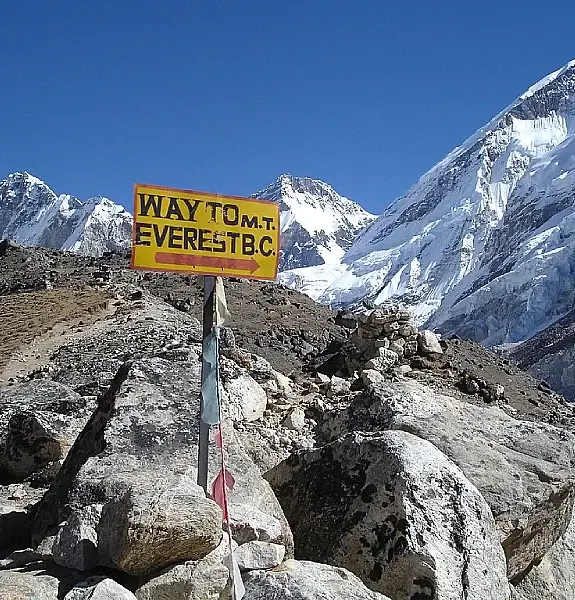
The height of Everest Base Camp is 5,364 meters in the Khumbu area of Nepal. It usually starts from Lukla and lasts 12 to 14 days. The distance you cover is 130 km, crossing rhododendron forests, high suspension bridges, and ending up with rocky moraine next to the Khumbu Glacier.
All the effort is made by your feet. Everyday routine includes loose stones, steep inclines, and knees challenging declines. The weather conditions also change very quickly. A bright morning in Namche may become snowy in the afternoon when reaching Dingboche.
This is the reason why Best Hiking Boots for Everest Base Camp Trek is one of the most important decisions regarding equipment. Bad boot will make you get blisters after only three days of the journey. Correct one will help you reach Kala Patthar in comfort.
With this guide, you will be able to make your decision confidently.
- Fit: plenty of space for your toes and a secure fit at the back of your heel
- Grip: soles which have good traction on wet rocks and icy tracks
- Water-resistance: protecting your feet from melting snow, dirt, and streams
- Support: ankle stability and midsole rigidity when you carry a loaded backpack
- Comfort: padding that will be comfortable during six to eight hours of daily walking
Here is a brief answer. Almost all trekkers will need mid-cut, water-resistant, three-season boots with a sturdy sole. The mountaineering boot is too much in most cases. If you seek Everest Base Camp trek boots, try the described category. The same footwear will suit you for hiking in Nepal on other popular trails.
Why Do You Need the Right Boots for the Everest Base Camp Trek?
The path to the base camp at Everest seems easy in pictures, but it is not. You walk for six to eight hours every day, on an uneven surface of stones and rock or through loose gravel and stone steps that have been eroded with years of passage.
Ascending and descending creates their own set of difficulties. During the climb from Namche Bazaar to Tengboche, your foots needs to be kept firmly on the ground. When coming down, there is constant slamming of toes against the boot. This leads to bruises int he toenails after just a few days of hiking.
Depending on the season and altitude, the conditions are also different. On lower trails, in the spring and autumn, the trail becomes muddy because of the rains. When higher, you will go through the icy streams and fresh snow. Feet get wet and then cold quickly.
The mornings will be another challenge. The temperature at Gorak Shep may fall significantly below zero in the morning. At noon, it may rise enough to make you feel warm. Your boots have to deal with both of those things.
Most of the problems with your feet arise due to wrong footwear during your hike:
- Blisters due to either heel slippage or tight toe boxes
- Tired feet due to weak soles
- Sliding on slippery rocks or stairs
The ideal Everest Base Camp Trek boots will help you avoid all three mentioned problems. They will ensure your stability, warmth and will prevent you from thinking about your feet but instead allow enjoying the scenery around.
What Types of Boots are best for Everest Base Camp?
There are four types of shoes that you will encounter on the path. These are for various hikers. This is how they compare to each other.
Mid-cut hiking shoes are suitable for most of regular trekkers. They are made above the ankles and can flex even while carrying loads. They weight 900 to 1200 grams each pair. For the best boots for Everest Base Camp without stressing too much, you have to check this out.
High-cut backpacking shoes have stiff sole and height. They are for those hikers who carry heavy loads and have weak ankles. The drawback is their weight that you will feel after the weeks of trekking.
Lightweight hiking boots are a good option for experienced hikers. In easy stages, you will be fast and comfortable. But you will miss the ankle protection on loose moraines and slippery and icy stones. Most beginners should avoid this boot.
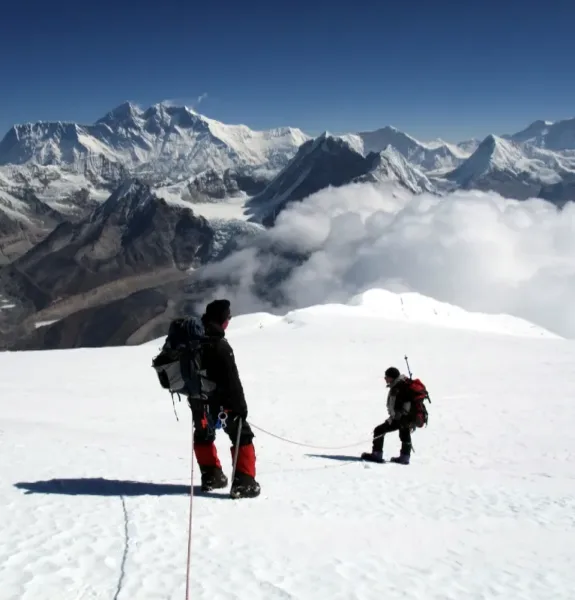
Mountaineering boots are too bulky for the conventional route. They weigh a lot and are uncomfortable. Mountaineering boots are needed for technical climbing trips like Island Peak or Mera Peak treks.
Our recommendation is straightforward. Go for mid-cut boots unless you have a specific reason not to. The best hiking boots for Everest Base Camp trek offer you the right balance of support and comfort. The best hiking boots for Nepal trekking will also serve you well in other occasions in the future.
Key Features to Look for in Everest Base Camp Trek boots
All shoes do not have the capability of surviving the Khumbu. Here are seven qualities that distinguish suitable footwear from uncomfortable.
Proper fit and toe box space. Your toes need freedom of movement, especially during descending. Your heel should be securely held but not raise up when walking.
Support for ankles. Lose rocky ground and uneven steps cause ankle injuries. Mid-cut hiking shoes provides you with stability and flexibility.
Grip and Outsole. Pay attention to the depth and spacing of treads. An outsole made from a rubber that is similar to Vibram provides superior grip on wet rocks, dust, and ice compared to a cheap stiff outsole.
Waterproofness and breathability. Gore-Tex-like waterproof and breathable liner prevents from getting feet muddy and wet from splashes in streams. But they make the shoes warm, which can be uncomfortable at low elevations.
Proper cushioning and stiffness of the sole. A flexible midsole makes trekking more comfortable while a proper stiffness sole ensures foot protection with a daypack.
Weight and durability. The lighter the boots, the less fatigue there is. Heavier boots tend to be more durable and offer good protection. Make sure you hit the middle point while selecting Everest Base Camp trek boots.
Insulation. The most insulated boots do not always provide the greatest warmth. Most trekkers have found that uninsulated or mildly insulated boots combined with warm socks work well. The excessively insulated shoes might overheat in sunny weather.
Ensure those features to the season and your tolerance to cold temperatures. This way you will find the right hiking shoes for the Everest Base Camp trek. Not the most expensive ones, but the best ones. Good hiking shoes for Nepal trekking will meet most of the above criteria.
How to Choose the Right Boot Size and Fit
An excellent boot that is not the right size is a terrible boot. Follow this checklist in the shop and take your time to choose a boot that fits perfectly for you.
Put on your trekking socks. Make sure to bring the same socks that you will use while hiking. It may surprise you how much wearing a heavy wool sock affects the fit.
Look at the space at the end of the boot. Stand up and move your feet forward. You should have a thumb’s worth of space between your big toe and the end of the boot. Then walk down an incline. Your toes must not touch the front of the boot.
Find the point of pressure. Look around your toes, instep, and ankles. Something uncomfortable when you first put on your boots will be sore by day four.
Try the boot on both feet. Most people have one slightly bigger foot. Make sure to fit the larger foot.
Think about width and insoles. There are brands that tend to be narrow and brands that tend to be wide. If you have any insoles or orthotics that you want to use, take them along with you.
Boots from different brands and models will vary in terms of sizing. A size 43 in one brand might feel entirely different in another. There’s no reason why you should always go up a size. While some trekkers do that, other don’t. Leave it up to your feet, not to any guideline.
Do this correctly, and your Everest Base Camp trek boots will just feel natural on your feet. It is the best way to find the right boots for Everest Base Camp trek. This applies to any hiking boots for Nepal trekking.
Top 10 Best Boots for Everest Base Camp Trek
Not all shoes will fit your fit. Here are ten boots’ models used by many people trekking on the Khumbu Trail. They differ in price, foot types, seasonality and many other things. The list below is not a ranked one, as individual fitting is much more important than the brand.
- Salomon Quest 4 GTX: Firm, water-resistant, with a rigid midsole and a solid heel support. A good choice for heavy packs and long hikes. It tends to be a bit warm in low altitude regions.
- Lowa Renegade GTX Mid: Trail classic boot with leather and textile upper material. Comfortable from the beginning and long-lasting. It has some weight for some trekkers.
- Scarpa Zodiac Plus GTX: It is stiffer and warmer than most mid-cut boots. Suitable for rocky terrain and cold mornings. It does require extra effort to break them in.
- La Sportiva Nepal Cube GTX: Firm and insulated boot for extreme cold conditions. Suitable for winter and special hikes. Most spring/autumn trekkers will also find it too rigid.
- Merrell Moab 3 Mid Waterproof: A cheaper model with softer cushioning. No need to break them in. Soles wear out fast.
- Targhee III Mid WP Keen: It is known to have a broad and spacious toe box. This feature makes it comfortable for people experiencing swollen feet as well as those hiking downhill. It works for hikers who have wider feet.
- Oboz Bridger Mid Waterproof: A very well-cushioned boot and one with exceptional arch support. The outsole provides excellent grip on the unstable trail terrain. Best suited for medium to wide feet.
- Salomon X Ultra 4 Mid GTX: This hiking boot is lighter compared to others and quite agile and fast on easy terrain. Only for experienced hikers with robust ankle joints.
- Hanwag Banks II GTX: A well-designed and comfortable boot suitable for moderate carrying weight. Features leather inner sole, which provides additional warmth and durability. It has a narrow fit.
- Zamberlan Vioz GTX: Built using quality full-grain leather. Provides high protection due to the material used in construction. Moldable boot but heavy compared to synthetic ones.
Models keep getting updated, so better to verify whether you are getting the latest model before making a purchase. It does not matter which type you get; just make sure to try them out with your trekking socks. The best hiking boots for Everest Base Camp trek are those that suit your feet perfectly.
Are Different Boots Needed in Spring, Autumn and Winter?
Not necessarily. While a decent mid-cut boot is perfect for spring and fall trekking, winter and monsoon seasons require some consideration.
Spring (March to May). Weather conditions are highly unstable. Trails at lower altitudes are relatively warm while the upper trail could be covered in snow. Waterproof and moderately insulated boots will fit the situation.
Autumn (September to November). During autumn the weather is sunny, and tracks are dry. You should focus on comfort and good grip because of long days of walking. Many of the best boots for Everest Base Camp perform excellently in this season.
Winter (December to February). Morning temperatures drop drastically, and ice accumulates on the shadowed steps. It’s worth considering warmer boots and appropriate traction devices. Check if your boots have enough stiff structure to wear micro spikes.
Monsoon (June – August). Prepare for leeches, mud, and slippery stones. Pay attention to waterproof clothing, fast drying socks and check trails with your guide.
Whatever the season, the best hiking boots for Everest Base Camp trek would be the boots suited to the expected condition. Good hiking boots for Nepal trekking season can survive at least two seasons.
Common Mistakes to Avoid When Buying Boots for Everest Base Camp Trek
A lot of boot issues arise in the shop rather than on the trail. Here are some of the most common mistakes made while choosing boots.
- Choosing the big brand name. The logo does not guarantee the proper fit. Even if it is a popular and well-known boot, it can be as uncomfortable as an inexpensive boot.
- Going for durability instead of comfort. It feels safe to have boots that are tough and strong. But if the squishes your feet, you will be limping already after the fourth day. Comfort should come first.
- Walking in new boots. Leather and soles of the boot are hard when you put them on for the first time. Make sure to wear your boots for at least four to six weeks of training hikes before flying to Lukla.
- Wearing cotton socks. Cotton absorbs water and stays wet. Wet feet get cold and blisters fast.
- Wearing cotton socks. Cotton absorbs water and stays wet. Wet feet get cold and blisters fast.
- Buying Mountaineering Boots. Thick, hard shoes make your trek difficult on the regular path. Reserve these for technical climbs.
- Using old shoes. If you intend to carry an old pair, ensure that the sole is not worn-out, and the inner layer does not have cracks. Poor grip and membranes can spoil even the best boots on an Everest Base Camp trek.
Do make these mistakes, and you will use your Everest Base Camp trek boots for a long time. This is how you choose the best hiking boots for Everest Base Camp trek and enjoys them on other Nepal trekking expeditions as well.
Final Advice for Choosing Everest Base Camp Trek boots
Choosing Best Hiking Boots for Everest Base Camp Trek requires keeping certain criteria in mind. Fit is the primary concern here. Traction, appropriate level of waterproofing and comfort follow. Brand name and additional technological attributes are far less important compared to the fit itself.
Try your boots before departure. Walk in them on the hills, stairs and long weekend trips. Use trekking socks each time, as any discomfort will come to show when the boot hits the actual trail.
Boots which make you forget that you have them on are the best hiking boots for Everest Base Camp trek. Once you find such boots, you will be able to concentrate on the mountains and not on your shoes.
Ready to use your boots? Check out Everest Base Camp Trek package at Epic Trek Nepal.
Frequently Asked Question
Which boots are the best for the Everest Base Camp Trek?
The best hiking boots for Everest Base Camp trek are mid-cut, waterproof, all-season boots with a sturdy sole and good traction. Some common options include the Lowa Renegade GTX Mid, Salomon Quest 4 GTX, and Oboz Bridger Mid. Comfort is more important than brand, so you should try many boots before choosing one.
Is there a need to have waterproof hiking boots for EBC?
It’s not absolutely necessary, but we would recommend it. The trails will be muddy when it rains, and there will be snow at a higher altitude. Waterproofing ensures that your feet stay dry during slushy parts of the trail or when you splash through the stream water. Just remember that waterproof boots might get warm in the valleys.
Do I need high-ankle boots for the EBC Trek?
It depends. Mid-cut or high-cut boots would work fine since the terrain is rocky and uneven. Ankle support prevents rolling ankles. You can use low-cut shoes if you have strong ankle joints and experience.
Can I use trail running shoes for an EBC trek?
Some trekkers do that. This is effective only if it’s dry season, early fall and the weight of the pack is light.
Are insulated boots necessary for the EBC trek?
In spring and fall seasons, no. Ordinary and slightly insulated boots along with warm wool socks suit most people perfectly well. However, winter treks require special attention and consideration. In cold mornings and icy environment, warmer boots may be required.
What is the price range of the Everest Base Camp Trek boots?
They cost between $120 and $250 on average. Cheap boots may also do the job if they fit you well. Expensive ones are more durable and made from higher-quality material. Don’t waste money on unnecessary features.
When should I break in my boots?
Break them in four to six weeks prior to the flight to Lukla. Walk in them around hills, stairways, and while carrying a heavy daypack. It is easier to detect pressure spots during this time period than later.
Are Mountaineering Boots Essential for the Everest Base Camp Trekking?
No. They are very bulky and rigid boots and can put strain on your legs for trekking along the normal route. They are required for technical peaks such as Island Peak. Normal Everest Base Camp trekking boots are more suited for the normal route.
Is it possible to Rent Trekking Boots in Kathmandu?
Yes. Some shops in Thamel hire boots, but the selection will be restricted, and their fit and condition are not guaranteed. It will be easy to hire mountaineering boots, but not the regular hiking boots. Hired boots are not worn-in, which can result in blisters.

Table of Contents
- Why Do You Need the Right Boots for the Everest Base Camp Trek?
- What Types of Boots are best for Everest Base Camp?
- Key Features to Look for in Everest Base Camp Trek boots
- How to Choose the Right Boot Size and Fit
- Top 10 Best Boots for Everest Base Camp Trek
- Are Different Boots Needed in Spring, Autumn and Winter?
- Common Mistakes to Avoid When Buying Boots for Everest Base Camp Trek
- Final Advice for Choosing Everest Base Camp Trek boots
- Frequently Asked Question