



Hidden Treks in Nepal Most Tourists Never Hear About
21 November 2026
By admin
Most trekkers come to Nepal with just a short wish list of destinations including Everest Base Camp Trek, Annapurna Circuit Trek and Langtang Valley. But these places became popular for good reason as the trails offer fantastic scenery, and teahouses work perfectly.
But there are so many more trails out there that lead to hundreds of kilometers of walking routes where you can find yourself surrounded by no one but some local shepherds, maybe mules and nothing else.
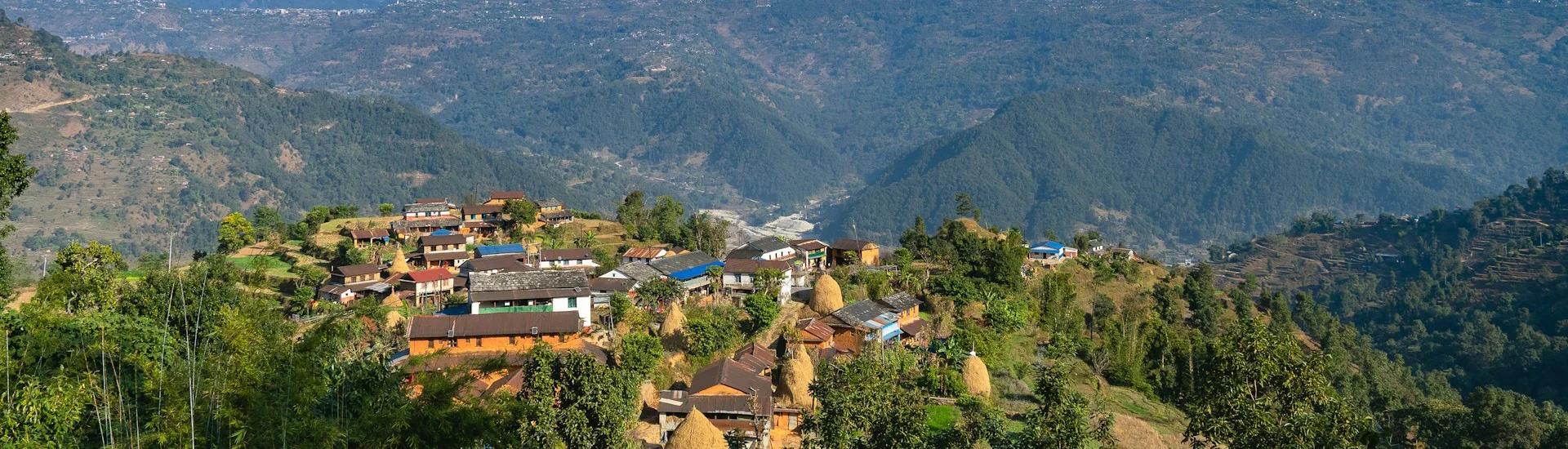
Some hidden treks in Nepal will introduce you to another side of Nepal. You can hike along remote villages where locals manually harvest barley from the fields; hike through passes with no crowds at the end point; walk through ancient rhododendron forests, old monasteries and communities speaking languages unknown to most tourists.
There is less crowds at hidden trekking destinations in Nepal, yet they are more challenging than the usual ones. There are fewer teahouses, which may be quite simple in construction. The trail could be rocky, narrow and sometimes even covered in mud after rains.
Less crowded treks in Nepal provide a quiet experience but are challenging for you as well. There are lesser numbers of teahouses available, and some of the paths may be steep, difficult to locate, and even washed out by rain sometimes. Changes in weather conditions and poor road infrastructure make your plan change at times.
This is exactly why proper planning is essential. Hidden trekking trails in Nepal usually require specific permits and local guides who would know exactly where to go. Our team deals with all the paperwork, while you concentrate on your walk.
We at Epic Trek Nepal take our clients to the Unexplored trekking routes in Nepal regularly. In this guide, we are going to discuss our favorite routes, the things you will encounter there, and the preparations for each trip. Read further if you are interested in exploring Nepal.
Why Choose Less crowded treks in Nepal?
The first, and most obvious one, is freedom. At some of the more popular trails during high season, lodges get booked quickly and the trail becomes crowded. Less popular trails are those where you’ll come across just a few other hikers each day and the trekking will be quieter and more personal.
These trails also traverse villages that haven’t been influenced by tourism. It means you’ll get to spend the night at a local family and eat dinner in their kitchen observing what their real life consists of – farming, celebrations and children going to school. There’s a difference in landscapes as well, since you’ll see something other than the well-known giants, such as rhododendron forests, terraced hills or a mountain range from an unusual perspective.
For people who have seen Everest and Annapurna, these trails give reasons for coming back, while others just provide the joy of discovering something new.
But remote doesn’t automatically mean better. Paths may be tougher, fewer signboards, and the rest day are tougher to organize. There may be requirements for camping, permits for special access areas and more complicated planning. “Authentic” is also not necessarily what you would desire: not all hikers want the experience of the quiet village, and not all hikers like the comfort of the lodge.
It all comes down to how physically fit one is, how much one tolerates the basic conditions, and what one hopes for from the trip. If you enjoy isolation and interaction with the culture, less crowded treks in Nepal make for some of the best trekking experiences in Nepal.
Top Hidden Treks in Nepal Most Tourists Never Hear About
Each of the following offers you something special. You might require camping and passes or be interested in treks that offer culture and easy trails. These are some of our Unexplored trekking routes in Nepal, and why we think you should try them out.
Lumba Sumba Pass Trek
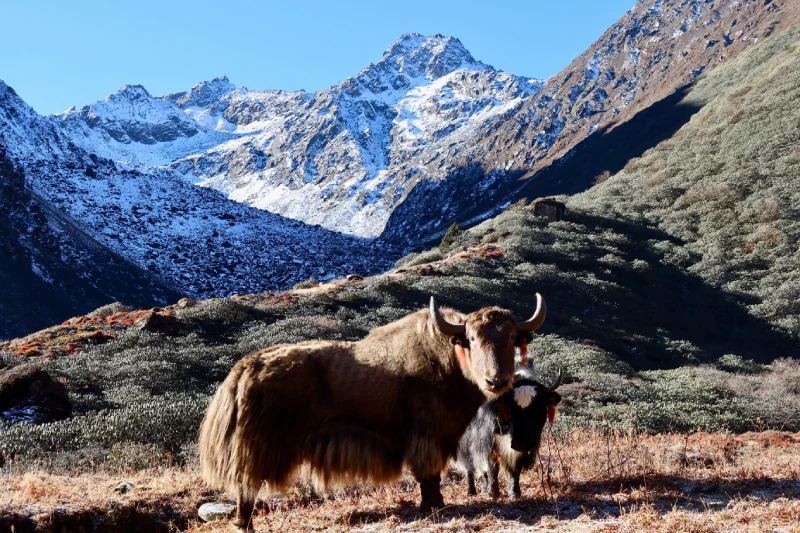
The Lumba Sumba Pass connects the Kanchenjunga and Makalu areas of Nepal. It is located at an altitude of 5,159 meters. Due to its lack of tourist, Lumba Sumba Pass ranks among the less crowded treks in Nepal.
During the trek you will camp most of the way up, walk through the isolated rhododendron forests and yak pastures into remote villages of Rai and Limbus.
Nar Phu Valley Trek
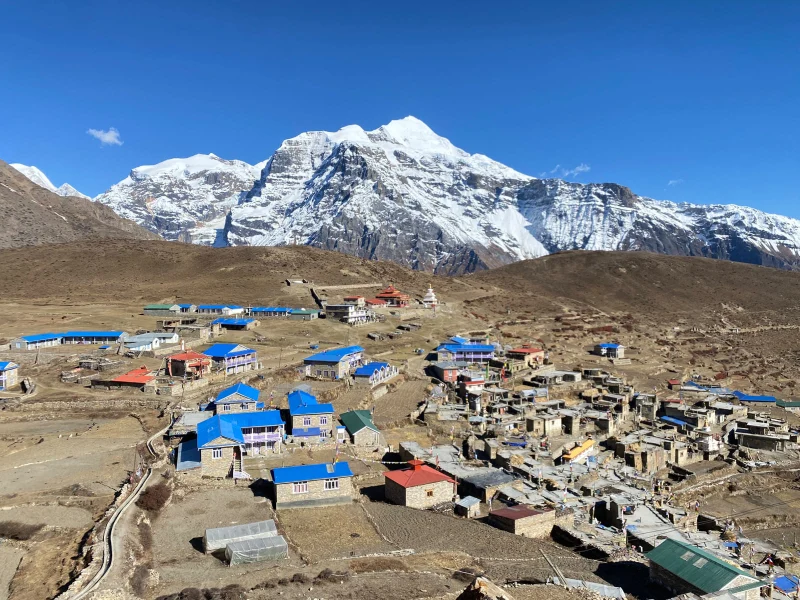
Nar and Phu lie north of the Annapurna Circuit in Manang, and trekkers passing through miss the turn-off point to Nar Phu valley. But those that take this road encounter a rocky village, rock-cut cliffs, and Tibetan culture that hasn’t changed much.
This trekking route takes you up to Phu’s ancient monastery, after which you move up Kang La Pass at about 5,306 meters high. The nights are cold and the terrain difficult.
Tsum Valley Trek

The Tsum Valley is found in the north of Gorkha, near the Tibetan border. The locals consider it a “hidden valley of happiness,” which reflects the way of life there. Farmers cultivate their fields, which are laid out in terraces. You get to visit ancient monasteries like the Rachen Gompa and Mu Gompa. The snow peaks surround you at all sides.
Ruby Valley Trek
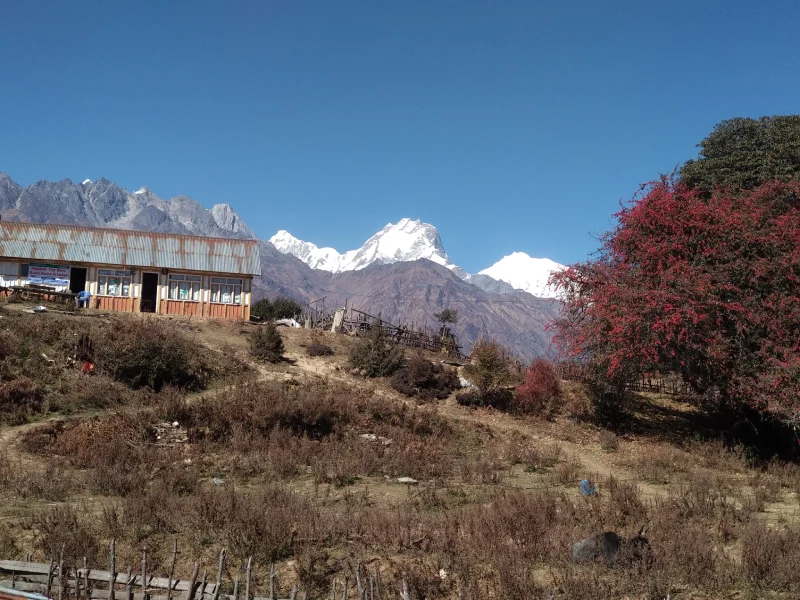
Ruby Valley surrounds the entire Ganesh Himal Range. Most people do not know about this trail, that is the very reason why it is unique. The trail goes through bamboo forests, small farming settlements, and ridges with stunning mountain views.
People from Tamang, Gurung and other community live here and you are going to stay and eat with them. Teahouses and homestays are modest, so be ready to show patience and good temper.
Rolwaling Valley Trek
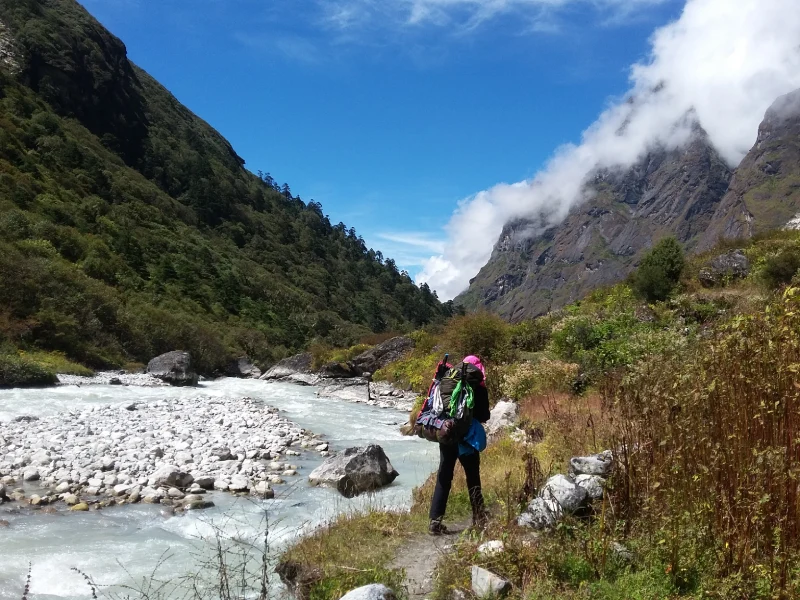
Rolwaling is an isolated valley of the Sherpas in Dolakha district, located south of the Tibetan border. There are glaciers hanging above the trekking path and Gaurishankar Mountain overlooking the upper reaches. Tsho Rolpa, which is Nepal’s biggest glacial lake, is one impressive sight on the trek.
This usual trek does not cross any of the passes. But for those who have the necessary experience and equipment, the Tashi Lapcha Pass around 5,755 meters can be conquered.
Api Himal Base Camp Trek
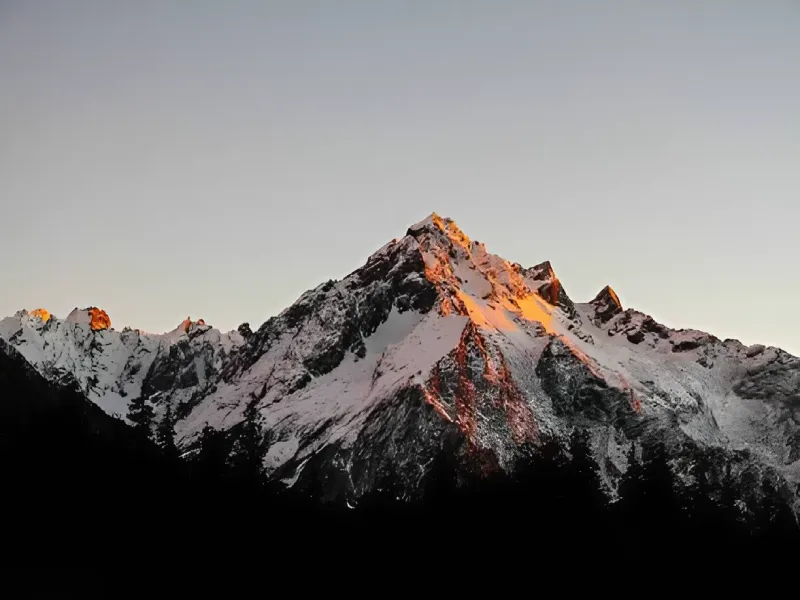
Api Himal lies in the far western Nepal bordering India in the Darchula district. This place is visited by very few tourists and there is not much facility at all in this area.
The trek takes you through river valleys, forests and villages of Byansi people on your way to the base camp of Api Himal.
Are Hidden Treks in Nepal Suitable for Beginners?
Yes, but only few of them. All treks are not equally challenging. Ruby Valley and lower parts of Arun Valley are good for beginners’ trekkers who are physically fit. However, there are a number of unexplored treks in Nepal that require higher levels of preparation.
Trekking days are very long. You might have to walk seven or eight hours to get to the next teahouse. The facilities are limited as well. No shower, weak telephone reception, and a small menu are expected from treks.
There is the challenge of altitude. The Nar Phu and Lumba Sumba treks have a high altitude and require an adjustment period. The sudden elevation leads to altitude sickness, even among experienced trekkers. A good itinerary will provide enough days of rest and proper increases in altitude
If you are a beginner trekker, choose a trek with well-known accommodations. The Tsum Valley and Ruby Valley treks provide both tea houses and homestays. Hiring a licensed guide is really helpful here. They can understand the weather and warn about altitude problems and closed roads.
Do not select a trek simply because it is rarely taken by other travelers. The best-hidden trekking trails in Nepal can only be chosen based on certain criteria. Consider the following:
- How fit am I, and have I trekked before?
- How high does the route climb?
- How many days can I spare?
- How easily can I reach the trailhead and get out in an emergency?
Be honest about these things. Our experts at Epic Trek Nepal will be glad to assist you in selecting a suitable route and making your first quiet trekking experience a fun one!
What to Expect on Nepal’s Remote trekking trails?
Travelers usually believe that all the trails function just as Everest and Annapurna. This is not so. Trails in Nepal have quite a different approach to organization, and this should be known before traveling in order not to feel uncomfortable.
Accommodation. In remote teahouses, there will be small rooms, thin beds, and common toilets. In uncharted routes of Nepal, there are no teahouses at all. You camp and your team carries the tents and cooks for you.
Electricity and charging. Most of the villages are powered by solar panels, and charging requires additional payment. The sockets run out quickly, so take a power bank and a small solar charger.
Food and shops. Dal bhat, noodles, eggs, and potatoes. Menus are limited since the supplies are carried in by the porters. There are no shops along the route, so make purchases in Kathmandu or Pokhara.
Internet and mobile signal. Connection can disappear for days. Inform your family before going and inquire from your agency about emergency communications.
Transport. Unexplored trekking routes in Nepal usually do not start anywhere near a paved road. You might be stuck on a bumpy jeep ride for the whole day, and landslides could block the trail. Always add buffer days both at the beginning and at the end of the trip.
Walking days and weather. Itineraries can stretch up to six to nine hours. Snow, heavy rains, or a broken bridge might change your plans, so you must have flexible days.
Do You Need a Guide or Permit for Hidden Treks in Nepal?
Absolutely. Requirements differ by region, so make sure you know what they are prior to booking.
Restricted areas such as Nar Phu and Tsum Valley require a Restricted Area Permit. The permit is granted only to trekkers who travel with a registered agency and a licensed guide. From March 2026, Nepal removed the requirement for two trekkers, but not for the guide.
Kanchenjunga is another restricted area. It requires not only a Restricted Area Permit, but also a conservation area permit, which is granted through a registered agency. Nar Phu also requires an Annapurna Conservation Area permit. Some routes will require permits for national parks as well.
Even where the regulations don’t require a guide, make sure you get one. Hidden trekking routes in Nepal usually have no signposting, and the trail splits unexpectedly. A guide takes care of all aspects of the trek.
Requirements keep changing, so we double-check them every time prior to departure.
Responsible Trekking in Remote Nepal
In remote villages, there is no ability to accommodate more waste or larger crowds. Off-the-beaten-path trekking in Nepal takes one into sensitive ecosystems, and that is why one should be more careful there than during trekking along busy trails.
Follow local customs. Pass by prayer walls and chortens with them on your right side. Take off your shoes and hat before entering the monastery. Consult your guide before entering any religious place.
Ask for permission to take photos. Always smile, ask and accept the rejection. Show your picture to the person afterward. Avoid taking pictures inside monasteries unless a monk permits it.
Reduce plastic waste. Always have a reusable water bottle and fill it up with boiled or purified water. There is no easy way to get rid of plastic bottles in remote villages.
Do not litter. Take with you everything you have brought with you. In many remote villages, there is no system of collecting garbage.
Stay on the trail. Off-trail walking leads to soil erosion and marks the fragile mountain landscape. Even on newly created trekking paths in Nepal, it may take years for the trail to recover from any damage.
Maintain a good distance from the animals and don’t make loud noise in the forests. Numerous trekking paths traverse habitats of wild animals such as Himalayan tahr and blue sheep.
Less crowded treks in Nepal can remain unique only if the trekkers behave responsibly. At Epic Trek Nepal, we tell all our clients about this before the trip begins.
Frequently Asked Question
What are the top unexplored trekking routes in Nepal?
The most underrated routes are Nar Phu, Tsum Valley, Ruby Valley, and Rolwaling. It depends on location, season, and personal level of experience what is considered underrated. Find out the best fit!
Which treks in Nepal are less populated?
Among popular less populated treks in Nepal there are Tsum Valley, Ruby Valley, Rolwaling, Arun Valley, and Nar Phu. However, less populated are Lumba Sumba and Api Himal.
Are there hidden treks in Nepal that are safe?
Yes, they are if prepared properly. You need to know that remote treks do not offer much in terms of infrastructure, and rescuing takes more time. So plan carefully, use a guide, and stay safe.
Do I need a guide for hidden treks in Nepal?
In most cases, you need one. In restricted regions such as Nar Phu and Tsum Valley, you need a licensed guide with a registered agency.
Are hidden Treks in Nepal suitable for beginners?
Yes, they are. Ruby Valley and low Arun Valley treks suit fit rookies. Nar Phu and Lumba Sumba trek high and require experience. Decide based on your physical condition, altitude and duration of the expedition.
When is the best time to go on off-beat trekking in Nepal?
It is spring (March – May) and fall (October -November), with fine weather conditions. The monsoon causes landslides and leeches; winter snowfalls may block high mountain passes.
Is there accommodation or food available in unexplored trekking routes in Nepal?
Yes, but very basic. Hidden trekking trails in Nepal provide basic accommodation at teahouses or homestays with dal-bhat and noodles. Some trails involve camping with a team that prepares meals.
Conclusion
Nepal is not just about Everest, Annapurna, and Langtang. The hidden treks in Nepal take you to valleys, ancient monasteries, high passes where you might get to see more yaks than trekkers.
There are diverse trekking paths in Nepal that have unique experiences for you. Some treks provide cultural exposure while some are tough with the testing altitude, camps, and long hours.
Selecting the suitable treks in Nepal is a matter of experience, preference, time, and expectations from the trek. Select the hidden trekking paths in Nepal that suit your capabilities and follow them responsibly.
Don’t know how to choose the right hidden trekking trails? Then, contact Epic Trek Nepal, where you will be advised on remote treks and trek itineraries.

Table of Contents
- Why Choose Less crowded treks in Nepal?
- Top Hidden Treks in Nepal Most Tourists Never Hear About
- Are Hidden Treks in Nepal Suitable for Beginners?
- What to Expect on Nepal's Remote trekking trails?
- Do You Need a Guide or Permit for Hidden Treks in Nepal?
- Responsible Trekking in Remote Nepal
- Frequently Asked Question
- Conclusion