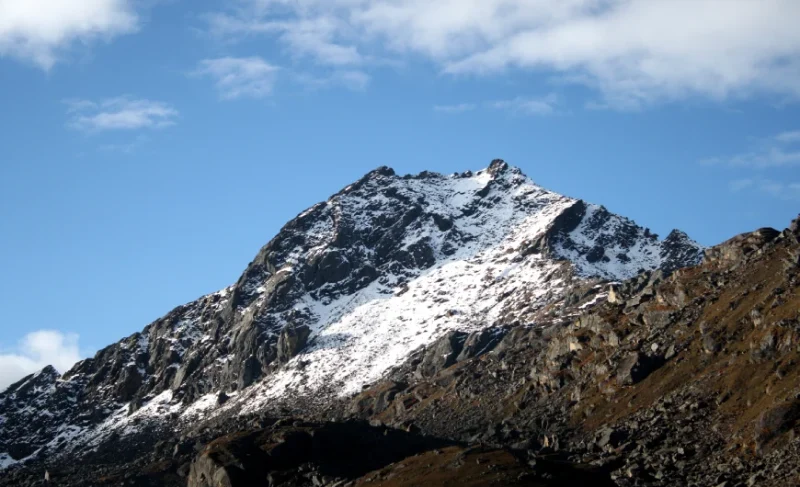
Route Overview of Gosaikunda Helambu Trek itinerary
Gosaikunda Helambu Trek is a seven-day itinerary that connects two areas along the same route. It begins at Sundarijal which lies on the northern side of Kathmandu valley and ends at Dhunche which is the entrance point to Langtang National Park.
The first three days involve trekking through the Helambu ridge. At Sundarijal, you begin the trek at an elevation of 1,460 meters and ascend via Shivapuri Nagarjun National Park to Chisapani at 2,165 meters. The forest remains shady, while there is no scenery until you are in the ridges. On the second day, you go to Kutumsang at 2,470 meters, while day three is a long climb to Tharepati at 3,690 meters.
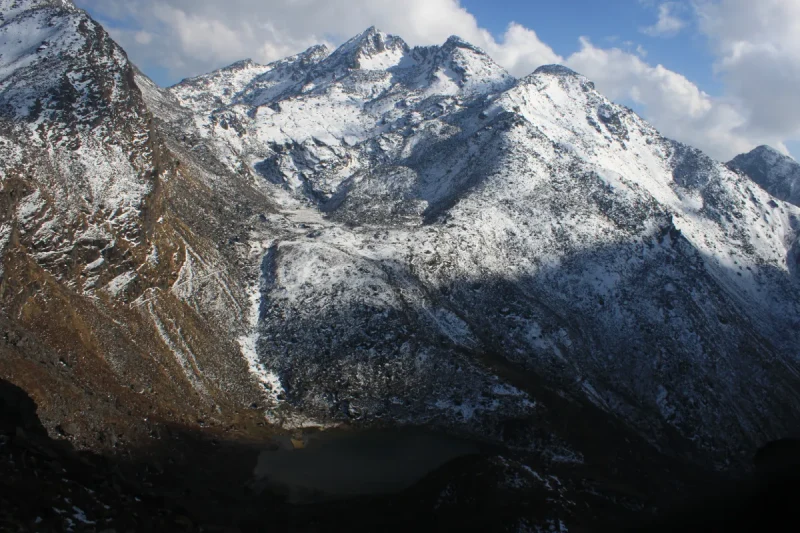
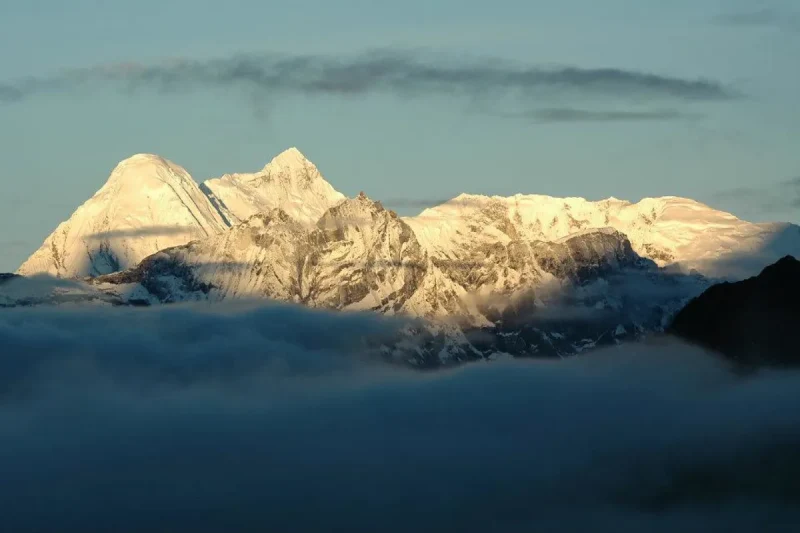
Day four remains high but mild. You hike to Phedi at 3,730 meters. The low elevation increase allows you to acclimatize, and you can enjoy the majestic view of the Langtang Range. The challenging trekking starts on the fifth day when you ascend to the Laurebina Pass at 4,610 meters and descend to Gosaikunda at 4,380 meters.
The sixth day takes you down steeply to Dhunche at 1,960 meters. The trail descends through forest and several small settlements. You should be ready for the strenuous downhill hike. Day seven sees you drive back to Kathmandu.
You stay in teahouses during the nights and have food from the local cuisine on the way. Overall, this Gosaikunda Helambu Trek itinerary has five ascending days followed by a fast descent. No technical knowledge and no equipment are needed.
Gosaikunda Helambu Trek Difficulty
Gosaikunda Helambu Trek is moderately difficult trekking in the mountains. It does not require any technical skills but a lot of strength of your legs and breathing.
You will walk 5 to 8 hours per day. The hardest days will be the fifth day when you have to pass Laurebina Pass and sixth day when you go down to Dhunche. Make sure to start your trek very early on these two days.
As you can see from the elevation gain, the ascents are mostly done in large chunks. On day three, you walk up 1,220 meters from Kutumsang to Tharepati. On day five, you ascend for around 880 meters to get to the Laurebina Pass which stands 4,610 meters above sea level.
Altitude sickness is the primary concern. You stay at an altitude higher than 3,600 meters for three days, and there is no break day in the itinerary. Headaches, lack of sleep, and poor appetite can be expected, so move slow, drink enough water, and notify your guide immediately in case symptoms worsen.
The terrain is not smooth either. Gosaikunda Helambu Trek involves stepping up rocky stairs and descending steeply on the sixth day. Trekking poles ensure your knee joints’ safety. Nights around Gosaikunda are chilly, even during the prime season months. Make sure to bring a thermal sleeping bag.
Stamina is essential. It would be best to walk in the hills for six to eight weeks before the tour. Any experience with multiday treks will make this one much easier for you.
Best Time for Gosaikunda Helambu Trek
The best times for doing the Gosaikunda Helambu Trek would be the autumn and spring seasons.
Autumn (September to November)
Autumn season is the most preferred time of year for trekking. The skies are clear, the trails dry and the Langtang range is visible clearly from the mornings. This is also the busiest period of the year and so you have to plan well in advance.
Spring (March to May)
Spring offers the bloom of rhododendron in the forest, especially in the month of April. The days are warm at lower elevations even though clouds may obscure distant mountains in afternoons. It is the start of the peak trekking season so the path will be crowded which can be annoying, but the view will not disappoint you.
Winter (December to February)
The winter season offers beautiful scenery but with very cold weather. The snow usually covers the pass, and some high altitude lodges will be closed. It is recommended only for the well-prepared and experienced trekkers.
Monsoon (June to August)
Due to rains, leeches, slippery trails, and cloudy weather conditions, the monsoon season is not suitable for most trekkers. Landslides may occur on the road leading to Dhunche. However, Janai Purnima is celebrated in mid-August in the area of Gosaikunda where pilgrims go.
So, if you need an answer at all, go either in October or April. Weather in the mountains can change suddenly, that is why we always consult the weather forecast and trail report before departure on the Gosaikunda and Helambu Trek.
Accommodation During the Gosaikunda Helambu Trek
Every night you will be sleeping in mountain tea houses or small local lodges. They are all run by families and facilities are modest in every village that you go to.
Accommodation is very basic. You share a room with another person, and you get two single beds along with a mattress and a pillow. The walls are normally made of wood, so you can hear your neighbor. Blankets are provided by the lodge, but they never seem warm enough at Tharepati and Gosaikunda, so bring your own sleeping bags.
Bathrooms are mostly shared during Gosaikunda and Helambu Trek. The toilets are located outdoors or in the end of the hallway, most of which are of squat type. Hot showers are available in the low-lying villages like Chisapani and Dhunche. Further above, hot showers are very limited and cost additional fees at lodges for a bucket of hot water. Some lodges around Gosaikunda have no showers at all.
There is no electricity in the region. Most of the lodges provide charging services for some amount of money on a per gadget basis or per hour. Bring your power bank and keep it warm during night times. Wi-Fi is available but unreliable beyond the altitude of Kutumsang.
Food and Drinking Water During the Trek
You eat in the same teahouse you stay every day. Breakfast consists of food such as porridge, eggs, toast, Tibetan bread, and pancakes. Both lunch and dinner have the same menu, so you have the same foods to pick for your lunch and dinner meals.
Dal bhat is the standard trekking food. You receive rice, lentil soup, vegetable curry, and pickle, and most teahouses add the contents of your plate without charge. There are other common dishes such as fried or boiled potatoes, noodles, momos, vegetable fried rice, and thukpa. In Helambu, there is also the availability of local food such as buckwheat bread and fresh Yak cheese.
The beverages will include black tea, milk tea, ginger tea, lemon tea, coffee, and hot chocolate. Hot beverages will keep you warm and hydrated. And do not drink alcohol, which will worsen altitude sickness.
The water requires careful attention. The lodges provide boiled water, but some offer refill points as well. Before drinking filter all the water using purification tablets or a filter bottle. Do not drink tap water even in the town areas. Our Gosaikunda Helambu Trek guides monitor the sources of water and advise you to refill each morning.
Gosaikunda Helambu Trek Permits
Gosaikunda Helambu Trek takes you through two national parks, which means you have to secure multiple permits. All these permits are taken care of by Epic Trek Nepal before your departure from Kathmandu.
Shivapuri Nagarjun National Park Permit
You will enter this national park on Day 1 at Sundarijal. Foreign tourists will be required to pay an extra fee at the entrance. The payment and all the documentation are done by the guide.
Langtang National Park Entry Permit
The upper part of the trekking trail, which includes the Laurebina Pass and the Gosaikunda Lake, is situated inside the Langtang National Park. This permit costs NPR 3,000 for foreign tourists, with a 13% VAT.
TIMS card and local area permits
TIMS cards and local area permits in Langtang have been undergoing changes recently. We will inform you of current rules in effect for your travel dates and update accordingly. Your final cost will include all permit expenses.
Information we need from you
Please send us copies of your passport and two passport size photos at least a couple of days prior to the trek start. Valid passport and original visa will remain in your possession.
Permit fees are included in our Gosaikunda Helambu Trek Package. Therefore, there will be no extra expenses at the checkpoints. Also, you will be trekking with a certified guide, which is favored by Nepalese treks regulations and useful in steep parts around Laurebina Pass.
Health, Safety and Altitude Consideration
The issue of altitude becomes extremely serious during the Gosaikunda Helambu Trek. On day three, you gain about 1,220 meters altitude, and sleep over 3,600 meters for three consecutive days. This is faster than the recommended pace by most experts.
Understand the symptoms to look out for. Headaches, nausea, dizziness, poor sleep quality, and fatigue are among the first symptoms of altitude sickness. Confusion, lack of balance, inability to breathe, and wet cough become the signs that require immediate help.
It is always best to descend if there are signs of worsening of the condition. Drink plenty of water, avoid alcohol, and move slowly. All these measures are useful, but they do not guarantee protection from the sickness.
Stay warm and dry. Bring layers, a rainproof jacket, and extra socks. Temperatures at night in the Gosaikunda area fall below freezing, and snowfall or rainfall may close the pass.
In case of any emergency, your guide will contact our Kathmandu office and organize a descent, porter help, or helicopter evacuation if weather permits. Get travel insurance valid up to 4,600 meters and helicopter evacuation. Provide us with the proof before departure.
Travel Insurance for Gosaikunda Helambu Trek
Travel Insurance is entirely your personal responsibility. All trekkers must provide us with evidence of coverage prior to the commencement of the trek.
Carefully study the terms of your policy before paying for it. Most common policies exclude coverage for trekking at high altitudes. Ensure that the following criteria are met:
- Maximum altitude: The policy should cover you up to a minimum of 4,610 meters, the height of Laurebina Pass.
- High-altitude trekking: Verify whether trekking is included in the policy and not mentioned as an exclusion.
- Medical emergency: Cover should include hospitalization in Nepal and medical expenses related to altitude sickness.
- Helicopter evacuation: Confirm the policy covers evacuation from the remote trail and whether the service provider receives payment immediately from the policy or you get reimbursed later.
- Trip Interruption or Cancellation: Refunds for any illness, injury, or flight problem leading to termination of the trip.
Kindly request your insurance company to verify the above-stated points in written form. Make sure that you have your insurance policy number as well as your emergency number in your day bag.





 Share