




How to Trek Responsibly in Nepal’s Protected Areas
12 November 2026
By admin
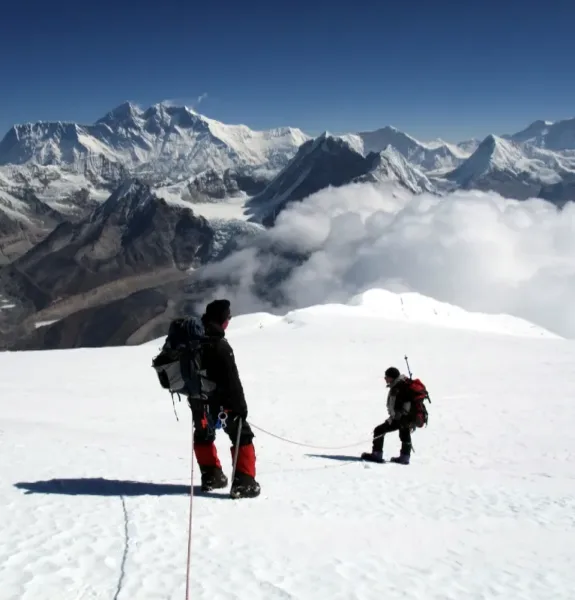
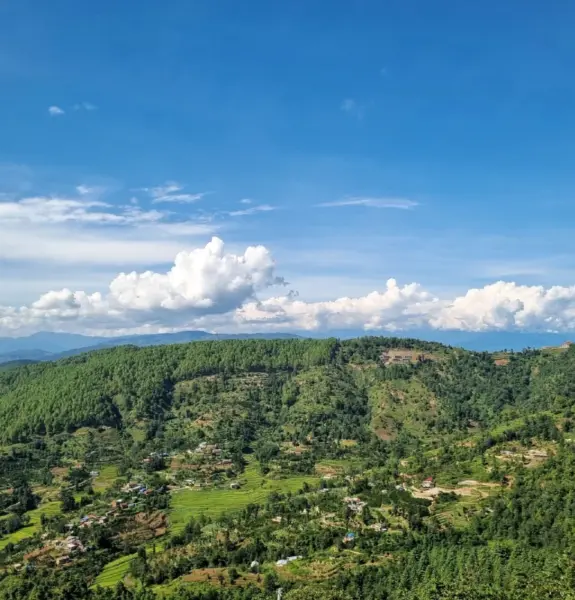
Nepal is home to eight of the ten highest mountains in the world. Add in the country’s forests, glacial rivers, and mountain communities, and you begin to understand why trekkers keep coming back every year. But before hitting the trail, find out how to trek responsibly in Nepal’s Protected Areas. Your decisions will make a difference.
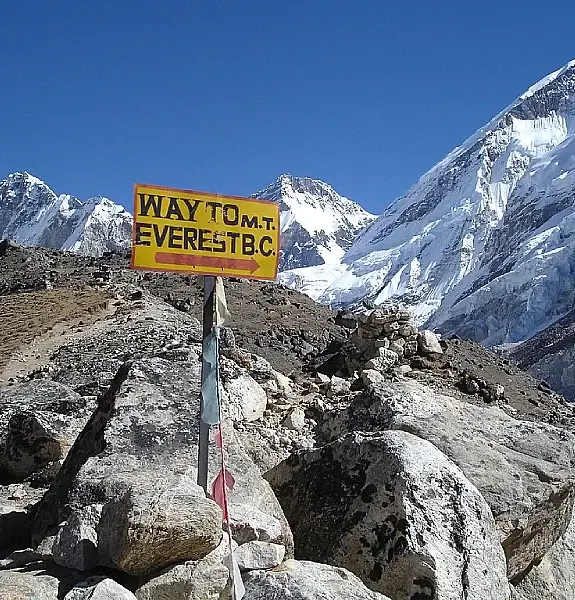
One fourth of the land area of Nepal lies within the protected area system of the country. This system includes 12 national parks and six conservation areas such as Sagarmatha, Langtang, Annapurna, and Manaslu. All of these conserve endangered species like the snow leopard, the red panda, the Himalayan tahr, and rhododendron forests covering whole hillsides.
Culture is equally important. The monasteries of the Sherpas, villages of the Tamang’s, and hill towns of the Gurungs all lie on these trails. Prayer flags, mani walls, and stupas are not just picturesque accessories. They are an integral part of the local spirituality.
Trekking in these areas helps support these mountain communities. Local lodge owners, porters, guides, cooks and farmers all make their living off the visiting tourists. Every time you stay the night in one of the villagers’ teahouses, you are helping out a local family.
However, the price of trekking is a heavy one. Plastics accumulate around the popular trails, lodges use firewood as a source of heating which can cause pollution, crowds make life difficult for wildlife, and some tourists even walk by the sacred places with no respect.
Responsible trekking in Nepal gives the answer to this problem in a simple way. It teaches to respect the land, the wildlife, the locals, and follow trekking rules in Nepal.
The Himalayan mountain range will leave unforgettable impressions on you. As a result, you have a debt of respect towards it. The following guide by Epic Trek Nepal gives practical steps of how to trek responsibly in Nepal.
What Are Nepal’s Protected Areas?
Nepal’s Protected areas refer to the land that government has set aside to protect its nature and culture. There are two categories of these areas. These include national parks and conservation areas.
National parks are protected areas which emphasize protection of habitat and animals while conservation areas are different. National parks are managed by the government with strong laws regulating activities such as hunting, logging and farming. The management of the conservation areas is done with the help of local communities.
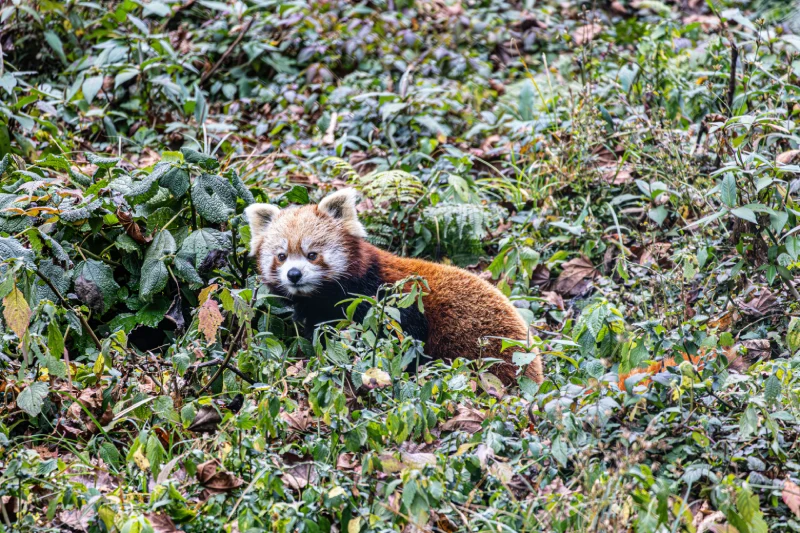
You might ask why is there such extensive protection in Nepal? Because this tiny country contains great variety in its natural environment. Subtropical rainforest, temperate rainforest, and snow-capped peaks exist within a few hundred kilometres. The snow leopard, single-horned rhinoceros, Bengal tiger, and red panda all require a safe habitat to survive. And rare plants are protected, including many that have medicinal qualities.
These protected zones also serve to preserve the forests, rivers, and mountain ranges. Forests provide the soil retention needed to prevent erosion. Rivers provide clean water to millions of people living downstream.
Responsible trekking in Nepal is essential to the process, because the money from park entrance fees funds these efforts.
Here are five popular areas:
| Protected area | What makes it important |
| Sagarmatha National Park | Everest region, Himalayan ecosystems and wildlife |
| Annapurna Conservation Area | Diverse landscapes, biodiversity and mountain communities |
| Langtang National Park | Himalayan forests, wildlife and alpine ecosystems |
| Manaslu Conservation Area | Remote mountain ecosystems and traditional settlements |
| Chitwan National Park | Grasslands, forests and endangered wildlife |
Each area has its own permits and trekking rules in Nepal. Check them before you go.
Why is Responsible Trekking in Nepal Important
Every trekking season, thousands of tourists travel these same routes. Each of these visitors leaves a little bit of rubbish behind. All al this rubbish together, and it’s quite a lot.
The use of plastic if the biggest problem here. When trekkers travel along famous route like Everet Base Camp or Annapurna Circuit, they leave behind plastic litter like water bottles, candy wrappers and snack packets. Plastic is very durable and will not decompose in the cold atmosphere at such altitudes and stays there for decades.
Ineffective waste disposal makes the situation even worse. There is no landfilling of any sort in many villages, so the garbage is usually disposed of by burning or just dumping, causing air pollution and contaminating the streams that people drink from.
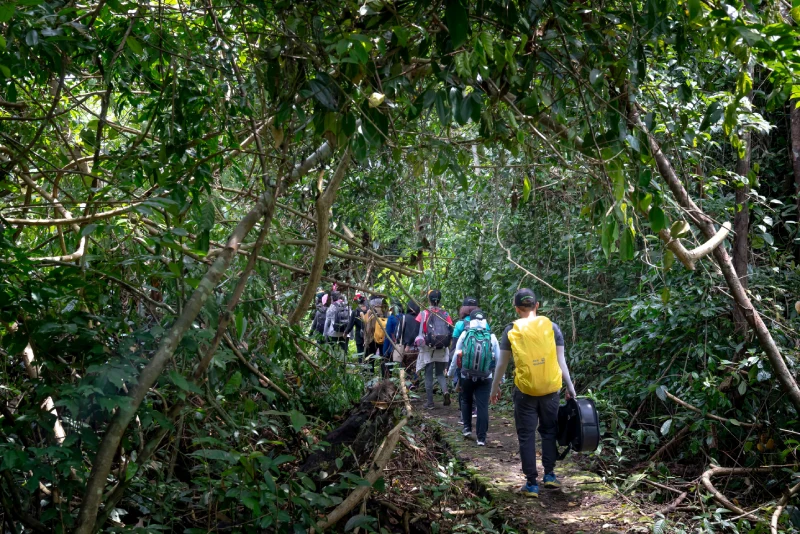
Moreover, trekkers can harm the environment in other ways. For example, cutting of switchbacks damages slopes and stepping off the path means killing alpine vegetation that grows slowly. Noise and flash photography also disturb the wildlife.
Resources are also starting to become scarce. Every day locals use firewood as a source of cooking, boiling water, and heating rooms. Culture does not remain intact either as tourists see villages as a place to visit and take pictures. Taking pictures of people without permission and being partially naked in front of monasteries shows lack of respect to the local residents.
The good news is there is hope. Small actions can change a lot! Understanding how to trek responsibly in means to learn that every empty bottle picked out of the mountains, every wrapper collected, and every friendly greeting has an effect when multiplied by thousands of trekkers.
Follow Responsible Trekking Practices before Your Trek
Preparation for responsible trekking begins at home. The decisions that you make before arriving in Kathmandu define your environmental impact in the trails. Here is what you need to know about responsibly trekking in Nepal from the very beginning.
Research Your Destination
Find information about your trekking route beforehand. Find out when is the best season, altitude condition and climate to be expected during the trek. Find out who lives in the area you will trek through and what wildlife you may encounter along the way.
Check on the conservation rules. There are places that prohibit using drones, campfires, and off-trail camping. It is better to know it in advance.
Get Required Permits
Permit requirements are different for various destinations. Sagarmatha National Park, Annapurna Conservation Area, and Manaslu Conservation Area all have their entry requirement. There are restricted areas like Manaslu and Upper Mustang and those require additional permits, as well as licensed guide.
Please keep in mind that the registration fee is not merely made for paperwork. This money contributes to paying workers, repairing trails, and making projects in protected area.
Choose a Responsible Trekking Company
Before you book, make sure you ask the right question. Does the company employ professional and fairly paid local guide? Does it provide its porters with appropriate equipment, insurance and reasonable weight restriction. Do they follow environmental regulations in the mountains?
A responsible company does not require any explanation. In Epic Trek Nepal, we consider these practices the foundation of our work, not an extra.
Carry Non-Disposable Items
Carry a reusable bottle and some means of water purification, like filters or tablets. Bring a washcloth bag, a lunch box, and a spork with you. Also have solid soap and shampoo. This will help cut down the plastic. Some areas of the Everest region already prohibit single-use plastic water bottles. With a reusable bottle, you will be always on time.
Carry Only Thing You Need
Remove unnecessary packaging back home. Transfer your food into reusable bags and leave the boxes behind. Forget all the extras that you do not need. This is an easy way to help your porter and your knees. It may not seem like much, but you will be practicing responsible trekking in Nepal by doing so.
Understand Local Customs
Spend a few minutes learning the basics of local manners. Always circle stupas and mani walls from right to left. Wear appropriate clothing in villages and monasteries. Ask for permission before taking any photographs.
Try to learn a few words also. Something as simple as Namaste or Dhanyabad will go a long way.
How to Protect the Environment While Trekking
The path you take is the best teaches of them all. The simple decision you make here will assist in safeguarding the mountains that you came to admire. This set of rules is the essence of how to trek responsibly in Nepal.
Stay on Designated Trekking Trails
Stick to marked trails, even if it means going through mud and difficult terrain. Walking around a puddle will make the path wider and damage local vegetation.
Do not take shortcuts when the trail is switch backed. Taking shortcut trails leads to heightened erosion and may cause landslides after rainfall. Avoid fragile flora, too. It takes centuries for alpine meadows at high altitude to recover from one footprint.
Follow your guide’s advice. They will know which slopes are prone to landslides and what areas cannot be accessed.
Dispose of Waste Accordingly
Make sure all of your trash is taken with you until you reach an appropriate disposal point. Never throw plastic bottles or food wrappers. Wildlife eats it, and it will take decades to decompose because of low temperatures.
Pack up batteries and other types of trash which cannot decay naturally. Place all of them in a small zip-datable bag.
Decrease Plastic Usage
Always refill your reusable bottle at places where drinking water is available. There are many teahouses and water filtration stations along the popular trekking route. In case you are uncertain about the water source, you can use purification tablets, filters or UV pens.
Use non-packaged products whenever possible. Buy local snacks in bulk instead of in small packages. Each bottle you avoid is one less item on the porter’s backs.
Protect the Forest and Vegetation
Do not make any campfires as firewood takes a long time to grow in mountainous regions. With lodges consuming a lot of wood, it is advisable to minimize your consumption by, for example, avoiding long hot showers or extra heating.
Go for lodges that use renewable electricity. Avoid cutting branches as well as collecting plants, herbs, or flowers.
The above-mentioned points align with guidelines provided by the Nepal Tourism Board and NTNC for conserving the environment. It is also in line with trekking rules in Nepal that people follow inside Nepal’s protected areas.
Respect Wildlife and Natural Habitats
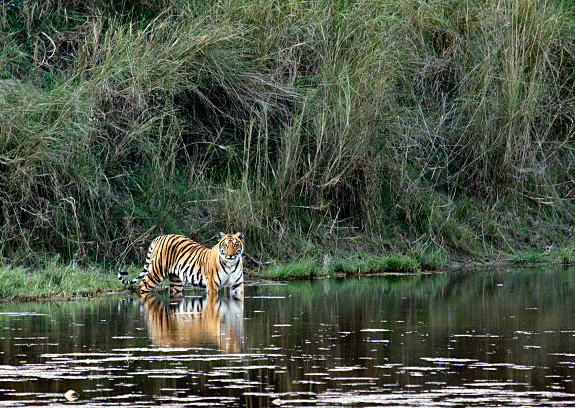
The wildlife in Nepal’s protected areas is known for its some of the most diverse in all of Asia. Red pandas reside in bamboo forest, snow leopard patrol high ridges, Himalayan tahrs graze on steep slopes, while deer and Himalayan black bear roam the surrounding forest.
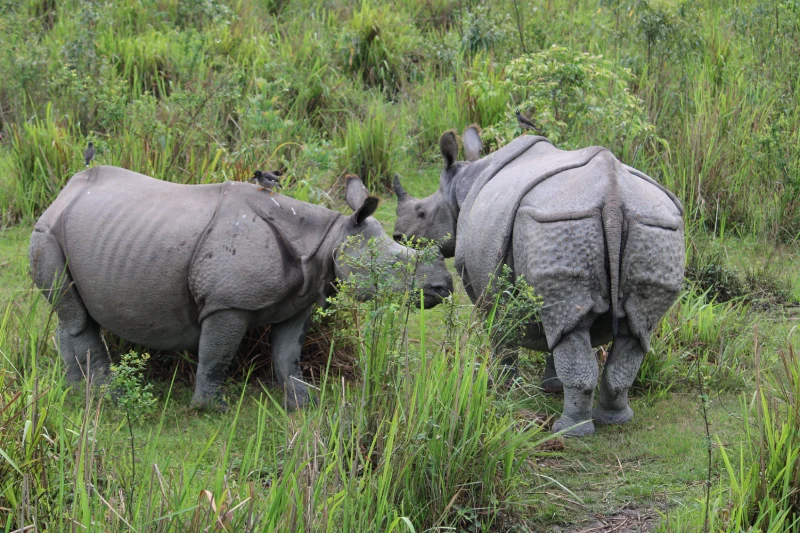
No trekker will encounter a snow leopard, and this is quite okay. Wildlife sightings can never be guaranteed. Revel in the wildlife you do get to see within their natural habitats but never try to seek a closer view.
Watch at a safe distance. Use binoculars or a zoom lens instead of approaching too closely. A scared animal might run away, desert its babies, or even charge.
Do not feed the animals. It will be making them dependent and might even harm their health. Do not attempt to pet or touch any animal. Even a curious tahr by the lodge must remain wild.
Be quiet. Loud music and screaming will scare birds and animals that require silence for food gathering and sleep. No speakers should be there on a mountain track. Mornings and evenings are the times when animals are more active, so keep silent during these hours.
Avoid souvenirs made of endangered species of wildlife. Poaching includes fur, bones, claws, musk pods, and many others. Buy something local, such as woolen products or thangka paintings.
Remember wildlife observation code, especially in Chitwan and Langtang areas. It was established by rangers for protection of both animals and people. This is one more aspect of how to trek responsibly in Nepal
Respect Local Culture, Traditions, and Communities
Trekking responsibly does not only mean preserving nature but also respecting those who call these mountain home. The mountain villages is not a theme part but a place where people live.
First, you need to find out what is important to the people that you will encounter. Most communities along the route have their own local tradition. When you meet some, pay respect and watch how people behave.
Always ask before you take someone’s picture. You can smile and ask to gain permission. They will likely accept to click a picture with you.
Be modest when visiting monasteries or temples. Cover your shoulders and knees. You should also take off your shoes when entering sacred buildings.
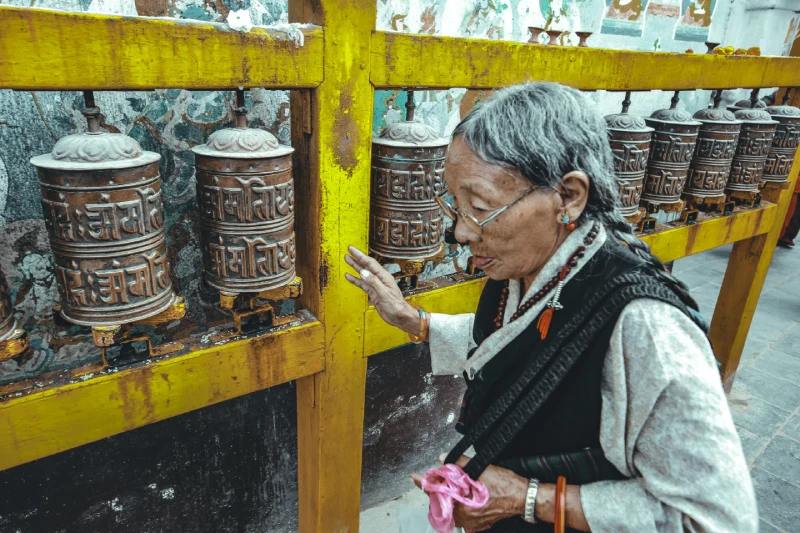
Handle sacred artifacts with great respect. Do not treat prayer wheels, sculptures, and stupas in an irresponsible manner. Make sure you spin the wheels clockwise and walk around the mani stone walls in a left direction. Never use of the religious objects or step on the offerings presented to them.
It is also important to show respect to property of people. Fields, kitchens, and yards belong to families. It is necessary to ask for permission to enter it and to close the gates when leaving.
Finally, learn some greetings. Namaste is universal across Nepal. However, when in Sherpa regions, use Tashi Delek.
How trekkers can support local communities:
The money you spend along the way can make a difference in someone else’s life. That’s the very essence of responsible trekking in Nepal. Where you choose to lodge, dine, and shop determines who life you will affect.
While you are trekking, choose to stay local teahouse and homestay accommodation. Your payment for one night will provide funds for education costs, farming tools, and maintenance of the lodges. Choose local dishes like dal bhat along with other dishes prepared using regional ingredients. Shop for handmade wool socks, hats, and other handicraft items crafted by the locals.
Hire local guide and porter services. Nepal Tourism Board suggests that travelers use local guides, porters, homestays, and locally owned accommodations for the betterment of local lives.
Support local businesses and do not trust the value of imported products. A soft drink that reaches here from the valley brings benefits for the distributor far away. But a cup of tea from here gives benefits to your host.
Pay for what you buy. Bargain only when necessary and not too much. A few rupees do not mean anything to you, but they mean quite a lot to a family that lives at 3.500 meters above sea level.
These techniques go together with trekking rules in Nepal that help to protect both people and places. Make sure you practice them in any Nepalese site protected by law. That is how to trek responsibly in Nepal and leave a good name behind.
Follow Trekking Rules and Permit Regulations
There are reasons for rules in protected areas of Nepal, as they protect the forest, the source of water, the animals, and the trails from the burden of thousands of people. This is one of the most important parts of responsible trekking in Nepal.
The trekking rules in Nepal vary according to places. The requirement for permit, guide, camp and the use of drones varies accordingly. The Sagarmatha, Annapurna, Langtang and Manaslu have their own conditions. It is better to check beforehand.
This is what applies to most areas:
- Always get proper permits before you enter any protected area. This is handled by Epic Trek Nepal for you, so you don’t have to worry about it.
- Carry all the permits throughout the trek. Rangers and checkpoint personnel check on the permits, many times during the trip.
- Obey the rules of the park and conservation area. These rules include fire restrictions, waste disposal and trail regulations.
- Observe the restricted areas and camping locations. Camp in areas that have been authorized by officials.
- Keep your drone in your bag unless you have the proper authorization, which many areas deny because drones disrupt wildlife and sacred areas.
- Do as the local authorities say. Rangers and local communities are familiar with the terrain better than you.
- Get a licensed guide when you need one according to the current regulation, which is always needed in restricted areas and possibly several others.
Regulations keep changing, so consider everything as potentially requiring your confirmation and Epic Trek Nepal always double-checks them before any journey.
Common Mistakes Trekker Do and its Responsible Alternative
The most damage is caused by small things that can be avoided. Here are the mistakes that people make and how to prevent this mistake.
| Mistake | Responsible alternative |
| Throwing plastic wrappers | Carry waste until proper disposal |
| Feeding wild animals | Observe from a safe distance |
| Taking shortcuts | Follow established trails |
| Collecting flowers | Leave plants undisturbed |
| Using unnecessary firewood | Choose alternative energy where available |
| Photographing people without permission | Ask before taking pictures |
| Making loud noise | Respect wildlife and local communities |
| Ignoring permit requirements | Obtain the correct permits |
None of these solutions cost you more money. It just takes a few minutes. Pass this list along to your group before you set out walking.
Conclusion
Himalayas have given trekkers unforgettable experience for decades now, and it is up to us to keep it this way.
It is every trekker’s responsibility to preserve the environment. Follow the path, leave nothing behind and let the wild animal be itself. Acknowledging the local communities will also make your trek more meaningful. The time you spend in a village kitchen drinking tea is sure to become the highlight of the trek.
Even small things matter. Learning how to trek responsibly in Nepal means helping to preserve its beauty for the next generations.
If you want to experience the magic of Nepal’s mountains while showing respect to nature and locals, at Epic Trek Nepal we organize treks keeping in mind both nature and locals. Contact us: +977-9764792172 and start planning your Himalayan experience!
Frequently Asked Questions
What is responsible trekking in Nepal?
Responsible trekking means ensuring the betterment of the destination. Taking care of the environment, following the rules, learning about the culture of the local people as well as supporting the economy are integral part of responsible trekking in Nepal.
Why is responsible trekking important in Nepal’s protected areas?
Nepal’s conservation area supports vulnerable environments and animal species, as well as real communities. The immense number of trekkers each season leads to water pollution, deterioration of trails and noise which makes it important to keep the environment safe and support local economies through tourism.
What can trekker do to minimize plastic pollution in the Himalayas?
Trekkers should carry reusable water bottles and purify water through the use of purification tablets, filters, or ultraviolet devices. Use filters that are installed on-site when available. Avoid single-serving packaged foods and use reusable bags to carry food. Use bar soaps rather than liquid soaps. Carry away anything you bring into the region.
What should trekkers not do in national parks?
They should not feed or chase wildlife, wander off the trails, and collect plants. They should not start campfires, use loud music and drones without permission. Littering is prohibited. The trekking guidelines must be strictly implemented and if trekkers fail to follow, they have to take responsibilities.
How can tourist help locals in Nepal?
Live in teahouses and homestays owned by locals. Try dal bhat and other foods made there. Purchase handcrafts from those people who have crafted them. Hire local guides and porters ensuring fair payment and equipment. This is what responsible trekking in Nepal is.
Are there unique regulations for trekking in Nepal’s conservation areas?
Yes. Conservation areas like Annapurna and Manaslu have their own permits and local regulations. The guidelines for guides, camping, and drones can vary depending on the location. Special permits should be obtained for trekking in restricted areas.

Table of Contents
- What Are Nepal's Protected Areas?
- Why is Responsible Trekking in Nepal Important
- Follow Responsible Trekking Practices before Your Trek
- How to Protect the Environment While Trekking
- Respect Wildlife and Natural Habitats
- Respect Local Culture, Traditions, and Communities
- Follow Trekking Rules and Permit Regulations
- Common Mistakes Trekker Do and its Responsible Alternative
- Conclusion
- Frequently Asked Questions