



Base Camp Treks in Nepal
25 November 2026
By admin
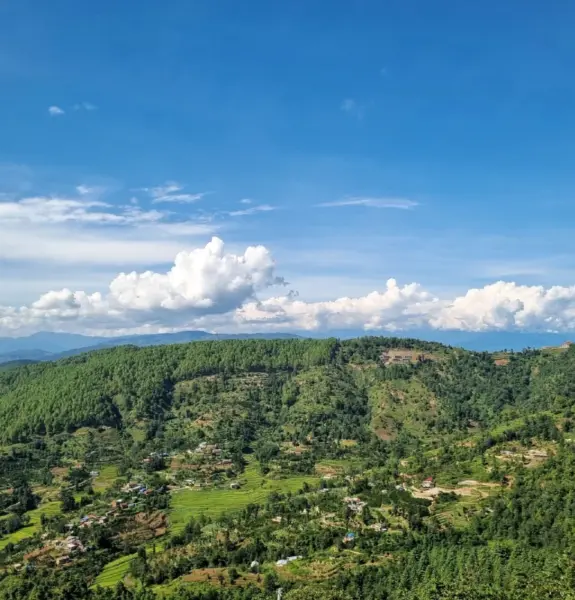
Every morning you will start the morning in a valley of rhododendrons and bamboo with prayer flags fluttering in the winds. The following day finds you walking along the banks of a glacial river, while in front of you, the ridge line morphs into an ice and rock wall.
This slow transformation is the essence of Base Camp Treks in Nepal. You do not go straight into the mountains. You hike into the mountains, village by village, mountain after mountain.
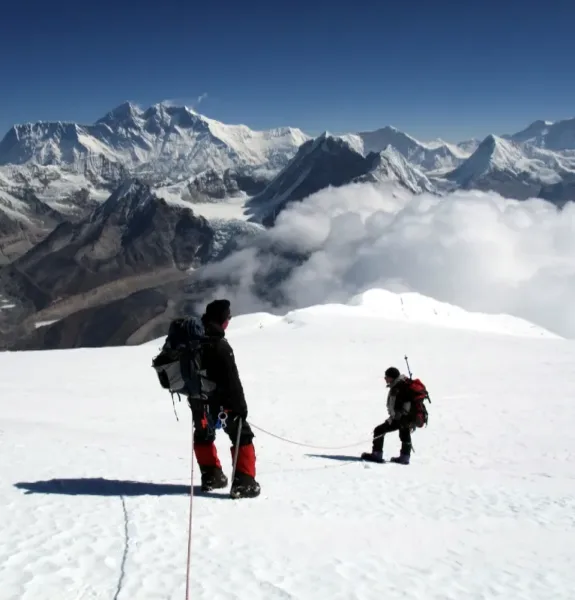
During a base camp trek, you hike to the base of the famous Himalayan peak. This is the place where all the mountaineering expeditions set up their camps. You do not require any mountaineering skills for this kind of trekking trip.
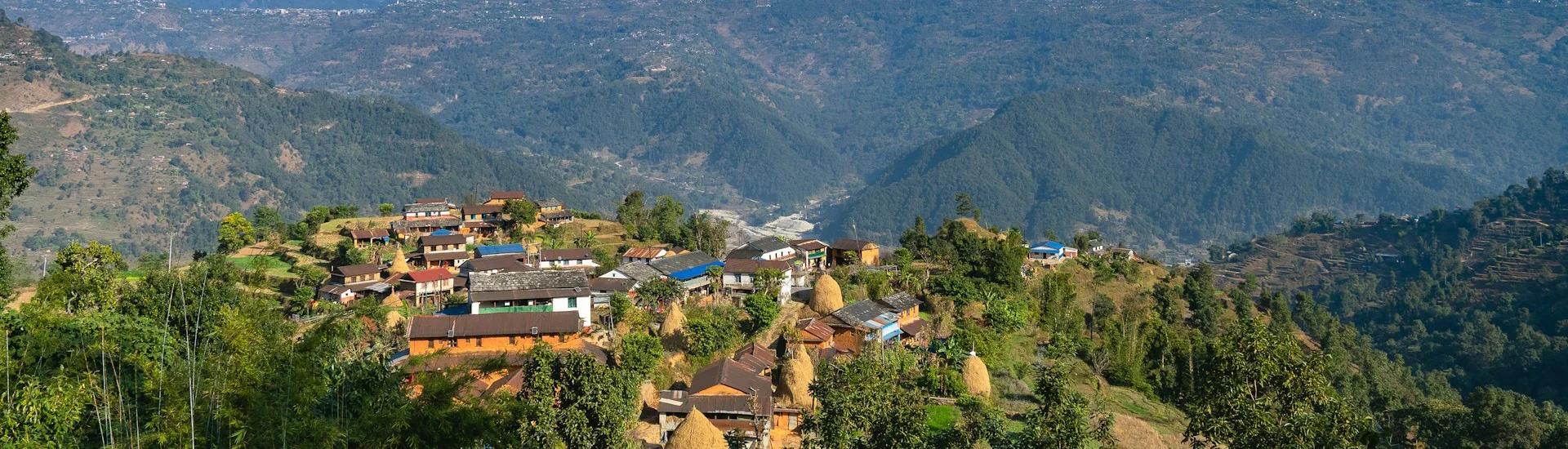
On the way, you see terraced farms, stone walled villages and tea houses, where Sherpa, Gurung and Rai serve you the famous hot dal bhat. And then you see yak pastures, moraines and glacial valleys, at the base of mountains like Everest, Annapurna, and Kanchenjunga.
Not all base camps provide you with the same experience. Some of the popular ones such as Everest and Annapurna provide you with lodges, frequent trekkers on trails, and clearly marked trails. The wilderness base camps such as Kanchenjunga and Makalu will give you solitude, basic lodges, and trails without any other trekkers for hours.
The Nepal Base Camp Trek that you go for will depend on the time and fitness level that you have. Nepal offers short, moderate, difficult, and wilderness trekking options. For making an itinerary for Base Camp Treks in Nepal 2027, this guide can help you.
Why Nepal Is the Best Destination for Base Camp Trekking
Nepal contains eight of the 14 highest peaks in the world (over 8,000 m), namely Everest, Kanchenjunga, Lhotse, Makalu, Dhaulagiri, Manaslu, Annapurna I and Cho Oyu are found in Nepal. Nepal is unique in the number of such mountains that no other country can rival. That’s why it’s the obvious place for Base Camp Treks in Nepal.
Each area has its own character. The Khumbu trek is influenced by Sherpa culture and Buddhist monasteries. On Annapurna, Gurung and Thakali settlements will meet you on the trails paved with stones. In the eastern part of Nepal, you will be greeted by Limbu and Rai people near Kanchenjunga.
Similarly, the topography varies widely from one trek to another. On one trek, you walk through subtropical forest and rhododendron forests. On another, you climb past rushing streams up to arid alpine meadows and valleys carved by glaciers.
There are routes for everyone in Nepal. There are many trekking paths for beginners who can go to Mardi Himal and Annapurna Base Camp, while for fit hikers, there is the Everest Base Camp at 5,364 meters. Those who have experience in trekking can go to Nepal Base Camp Trek routes in Kanchenjunga and Makalu.
The best thing about Base Camp Treks Nepal 2027 is that you can explore places which are not crowded at all. Go beyond the beaten paths to explore peaceful villages, ridgelines and slow-paced areas.
Best Base Camp Treks in Nepal
The top best base camp treks in Nepal go from traditional tea house trekking to adventurous long distance wilderness trekking. Check out below the descriptions that will help you choose. It gives you the region, the base camp and type of traveler it is recommended for.
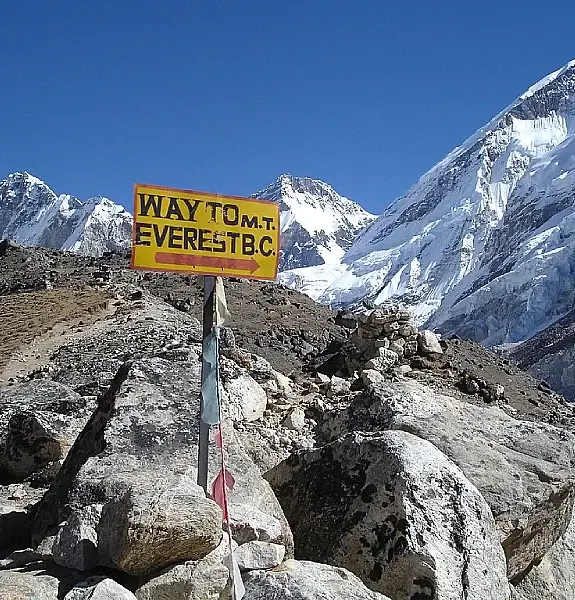
Everest Base Camp Trek
It is the iconic Himalayan experience. Fly to Lukla (2,860 m). The trekking will continue through the Dudh Koshi river to reach Phakding and finally to Namche Bazaar, the market town of the Sherpa people.
Then comes the path leading to the Tengboche Monastery, and after Dingboche and Gorak Shep. You get to see the mountains of Everest, Lhotse, Nuptse, and Ama Dablam. But you cannot see Everest from the base camp itself; that’s why most trekkers ascend to Kala Patthar (5,545 m).
You have to consider acclimatization in this trek. Mostly, it is included in most itineraries at Namche and Tengboche, and must be considered seriously. The teahouses on the route will offer you beds, food, and electricity; however, the costs increase with the increase in altitude.
This trek takes about 12 to 14 days. This route is ideal for beginner trekkers who are fit enough and want to experience an iconic goal.
Annapurna Base Camp Trek
Annapurna Base Camp Trek (ABC) covers a lot in a short amount of time. The track ascends through terraced agriculture and rhododendron forest along Gurung villages like Ghandruk and Chhomrong.
After the Himalaya village, the path narrows into the Annapurna Sanctuary. There is the Machhapuchhre Base Camp (3,700 m) just before ABC. At the summit, you will be standing in an enormous amphitheater of mountains with Annapurna I (8,091 m) at the horizon.
The trek can be completed within 7-12 days. There are teahouses along the entire trekking route and the trail is clearly marked. This is the perfect route for close mountain experience, reasonable time frame, and first-time high-altitude trekking.
Kanchenjunga Base Camp Trek
Kanchenjunga is the third-highest peak in the world, and this trek is not very much like the bustling western regions. This trek passes through Kanchenjunga Conservation Area, where Limbu villages will slowly get replaced by Tibetan communities.
North Base Camp trail reaches Pangpema (5,143 m), while South trail reaches Oktang (4,730 m). Many trekkers do a combination of these two trails, which take three weeks or more time.
The days are very long, and the trails are always challenging. The lodges in low villages are very basic, while camping is done in high areas. It is a restricted area, so you will require permits, guides, and proper arrangements through a registered agency.
Makalu Base Camp Trek
Makalu (8,458 m) is one of the tallest peaks in the world at the fifth position, and trekking to Makalu Base Camp means getting into a proper wilderness trail. You will be entering Makalu-Barun National Park and moving through the Barun Valley along waterfalls and diverse forests.
Forest vegetation changes from the subtropical forests to rhododendron, to finally reach alpine zone. Depending on your chosen itinerary, you can even cross some high passes like Shipton La (4,127 m). Basic facilities are provided in some areas while others might need you to camp out in tents.
This trek is recommended for experienced trekkers who enjoy solitary trails.
Manaslu Base Camp Trek
Manaslu makes a good add on destination. The trekkers usually come to the base camp in connection with the Manaslu Circuit Trek through Samagaon (3,530 m) as their acclimatization stopover point.
This region features the cultural influences of Tibet with mani walls, monasteries and yak grazing. This route goes to Manaslu Base Camp, passing through the glaciers of Mount Manaslu (8,163 m). There is a lake called Birendra on the route.
The area needs a restricted area permit, and you should travel in a group of at least two people with an official guide. It is the perfect option for the travelers with time, acclimatization, and cultural interests.
Dhaulagiri Base Camp Trek
This trek is quite expedition-like. You go down the Myagdi valley, then you climb to Italian Base Camp and Glacier Camp to reach Dhaulagiri Base Camp under the 8,167 m summit.
No guesthouses are available along the higher part of the trek. The porters carry the tents and food for you, and you camp at night. Glacier travel, unstable moraines, and unpredictable weather make this a very difficult choice from those listed here.
Only go for Dhaulagiri if you have high-level trekking experience and good physical condition.
Other Base Camps to Consider
All Base Camps are not necessarily trekking as defined above. Some are viewpoints and some are expedition style treks.
- Mardi Himal Base Camp (approx. 4,500 m): This is a short trek which can be done by anyone as an alternative option for beginners.
- Yala Peak Base Camp (Langtang): A high base camp that is used by climbers on the Langtang trekking trail.
- Ama Dablam Base Camp (approx. 4,600 m): This is an expedition style base camp which is done along the Everest trail.
No matter which one you select, a Base Camp Treks in Nepal 2027 is the best choice for you according to your physical condition and time availability.
Why Base Camp Trek Should You Choose
Selecting a path can be challenging in terms of planning. Each mountain in this area looks magnificent, but the important thing is to know which trail suits you in terms of time, body, and finances. Check out the table below.
| If you are looking for… | Trek to consider |
| A classic Himalayan experience | Everest Base Camp |
| A beautiful mountain sanctuary | Annapurna Base Camp |
| Remote and less crowded trails | Kanchenjunga Base Camp |
| A wilderness trekking experience | Makalu Base Camp |
| A base camp side trip in a cultural region | Manaslu Base Camp |
| A demanding camping adventure | Dhaulagiri Base Camp |
| A shorter mountain trek | Mardi Himal |
Timing. Time is what your calendar determines quickly. The trek to Mardi Himal takes around 5 to 7 days, and Annapurna Base Camp trek between 7 to 12 days. It takes 12 to 14 days for Everest and 3 weeks each for Kanchenjunga and Dhaulagiri.
Physical Fitness and Altitude. Everest has an altitude of 5,364 meters, and Kala Patthar takes you even higher. For Annapurna trek, the highest point will be 4,130 meters, which is relatively easier on the body. High altitude sickness can happen to anybody; hence rest days should be planned into your itinerary regardless of your fitness level.
Cost Budget. Teahouse treks are relatively cheaper since they are served with accommodation and meals while camping treks require a team of porters, crew, and food supplies.
Experience. Beginners trekkers are perfect for Mardi Himal, Annapurna or Everest treks. You need to be tough, patient and comfortable with basic conditions. Every Base Camp Treks in Nepal in the wilderness will be rewarding, but it will be punishing if you’re not prepared.
Scenery. Consider what scenery interests you. Annapurna provides a close-up of mountain amphitheater. Everest trail provides Sherpa culture and iconic mountain peaks. Makalu and Kanchenjunga provide peaceful valleys and long empty trails.
The majority of people do not require the toughest trek. What they require is a perfect match to their needs. If you plan a Base Camp Treks in Nepal 2027 tour and are uncertain about what you can do, the Epic Trek Nepal staff will find a proper trek to fit everyone’s itinerary and capabilities. This makes the Nepal Base Camp Trek fun than exhausting.
Best Time for Base Camp Treks in Nepal 2027
For the best time for base camp treks in Nepal, season plays a very important role, but it is not the whole thing. There is always a difference depending on the region, altitude, and particular trekking path chosen by you. Even if your trekking path seems comfortable at 2,500 m in April, it might be covered with snow at 5,000 meters.
Spring (March to May)
During spring, it becomes warm in most trekking places, and the rhododendron blooms at the lower hills. It gets even hotter in late spring with some haze in the afternoons. So, starting early will help to enjoy all the beautiful landscapes while doing a Nepal Base Camp Trek.
Autumn (September to November)
This season is the peak time for Nepal Base Camp Treks. The trails become dry due to the end of the monsoon and many routes provide sharp views. At the same time, demand increases sharply. You need to book guides, lodging and flights in advance for such mountains as Everest or Annapurna.
Winter (December to February)
It is extremely cold in the mountains, with snow falling on trails, making trekking difficult on some of the far-off tracks such as Dhaulagiri. Lower altitude and shorter treks are the better option during this period of time.
Monsoon (June to August)
In monsoon wet and gloomy weather makes each step difficult. Landslides might block the trekking trails, while flights to places like Lukla might be delayed. Dry areas such as Upper Mustang and Nar Phu are an option despite changing from year to year.
When planning a Base Camp Trek Nepal 2027, choose your time according to your route.
How Fit Do You Need to Be for Base Camp Trek in Nepal?
You don’t have to be an athlete. But what is necessary is that you must have stamina. Typically, Base Camp Trek in Nepal requires you to walk five to eight hours each day for ten days or even more. You will perform much better if you prepare your body in advance for this kind of trekking.
Begin with simple walking but concentrate on hills and rough terrain, which is very important due to the uneven Nepali terrain. There are steps made of stones, loose rocks, and even some steep climbs, which tire unprepared legs very fast. During your training include a backpack filled with 5 to 7 kg to increase the endurance.
Do it gradually. You will not be able to push yourself through a strenuous workout a month before your flight without preparing your knees or yourself.
Leg and core strength are necessary. Squats, lunges, step-ups and planks will help your knees withstand long descents. Moreover, these exercises will help you keep your posture straight while your backpack weighs heavily on you.
Training consecutively is also essential. The first day you are trekking may feel easy, but the eighth one will be very different. Try two consecutive treks at weekends to see how your legs react after that.
Mental preparation is necessary as well. Your Teahouse rooms are very basic. Beds are quite simple as well. The common bathrooms, freezing nights, and changing weather conditions are part of the Nepal Base Camp Trek.
What Should You Pack for a Base Camp Trek
Travel light but travel smartly. The weather changes quickly up here, and layers will make you comfortable for just about anything. Flights from Kathmandu to Lukla have restrictions on the luggage weight to be no more than 15 kg.
Clothing
- Moisture-wicking base layers
- Trekking shirts (two to three)
- Fleece jacket
- Down jacket for cold mornings and evenings
- Shell jacket that is waterproof
- Trekking pants
- Thermal gear for sleeping and high camps
- A pair of gloves and hat that will keep you warm
- Buff or neck gaiter
Footwear
- Well-broken-in trekking boots (never use new boots on the first day)
- Casual camp shoes or sandals for the evening
- Wool trekking socks
- Extra socks, wet feet ruin a day
Equipment
- Backpack (30 to 40 liters should suit most trekkers)
- Sleeping bag based on the type of your trip and accommodation
- Trekking poles to prevent knee injuries while descending
- Headlamp with extra batteries
- High-quality sunglasses with UV protection
- Water bottles
- Tablets or filter to purify water
Personal Items
- Sunscreen
- Lip balm
- Toiletries
- Personal medications
- Basic first-aid kit
- Power bank
- Documents and permits and copies of both
Is Base Camp Treks in Nepal Safe?
Yes, a Nepal Base Camp Trek can be safe if you are well prepared and respect the mountains. Climbing too quickly causes most problems with Base Camp Treks in Nepal, not the trekking path itself.
Altitude sickness is the most common problem for any high altitude trek. Symptoms that indicate altitude sickness include headache, nausea, dizziness, disturbed sleep, and loss of appetite, confusion, lack of coordination, or inability to breathe normally when resting. If such symptoms occur, stop for a moment or descend right away if worsen.
You should acclimatize yourself gradually. At the height above 3,000 meters you should not increase your sleeping altitude more than 300-500 meters per day.
The weather and trail conditions may change quickly. Snow, rain, and landslides may cut off the paths. Always listen to the decision of your guide whether to stop, return or continue the trek. Your guides knows very well than everyone on your group.
The mobile phone services and Wi-Fi are unavailable in many remote places. Talk to your agency about satellite telephones for treks such as Kanchenjunga and Dhaulagiri.
Helicopter evacuation can help save your life, but there are certain limitations. Thick clouds, strong winds, and thin atmosphere may prevent helicopter from taking off for many hours or even days. Descending with your guide is the first priority.
Get travel insurance coverage before flying. Make sure it includes insurance for treks up to the highest point and helicopter evacuation in case of emergencies. Every Base Camp Trek Nepal 2027 must include travel insurance.
How to Choose the Right Base Camp Trek in Nepal
Here are the six easy questions that will help you find out Base Camp Treks in Nepal according to your preferences and condition. Just be honest with yourself, and you will have a list narrowed down.
Take Your Time Availability into Account
For 7 days, go for Mardi Himal trek. For 12 days, the best option would be Annapurna or Everest trek. 18 days (or three weeks) give you the opportunity to choose Dhaulagiri, Makalu, and Kanchenjunga treks. It is always better not to pack long trek into short timeframe because you won’t enough rest days.
Select According to Your Physical Condition
Are you comfortable with long walking days, difficult climbing and high altitude? If you have your doubts, start from the lower height of base camp. Annapurna Base Camp (4,130 m) is easier than Everest Base Camp (5,364 m).
Consider Your Trekking Experience
Beginners should select well-organized trails that include teahouses because remote camping trails require much more preparation.
Decide Which Scenery You Want
Looking for glaciers and expansive views? Try out Mount Everest and Dhaulagiri. Wanting dense forests and villages? Go for Annapurna and Manaslu. Seeking empty valleys? Try Mount Makalu.
Think About the Crowd Factor
Popular trails provide you with reliable services. Remote trails provide you with solitude. Keep in mind, though, that solitude in a Nepal Base Camp Trek implies a lack of facilities.
Consider Your Budget
Transportation, permissions, accommodation, and staff cost a lot of money. Restricted area permits and flights to Lukla increase expenses, while camping treks will need porters and a cook. Plan your budget for Base Camp Trek Nepal 2027 with this in mind.
Frequently Asked Question about Base Camp Treks in Nepal
Which is the best Base Camp trek in Nepal?
There is no perfect trek for everyone. The best Base Camp Trek in Nepal for different people can be the following – Everest Base Camp for a classic experience, Annapurna Base Camp for shorter schedules, and Kanchenjunga for quieter routes.
Which Base Camp Trek in Nepal is the best for beginners and first-timers?
Mardi Himal and Annapurna Base Camp Trek are suitable options as both use the teahouse route and clearly marked trails. The option of Everest Base Camp Trek is also feasible if you are fit enough. You will need to start your preparation around 12 weeks in advance.
How many days are required for base camp trekking in Nepal?
Mardi Himal takes 5 to 7 days, Annapurna Base Camp takes 7 to 12 days, and Everest Base Camp Trek takes 12 to 14 days. Kanchenjunga, Makalu, and Dhaulagiri require 18 to 25 days.
Which is the hardest base camp trek in Nepal?
Dhaulagiri and Kanchenjunga are generally considered the hardest base camps. Dhaulagiri provides for steep moraine, glacier walking, and camping. The Kanchenjunga implies three weeks of tough trails. Either way, the Nepal Base Camp Trek requires good physical condition and previous experience in high altitudes.
Which is the best month for base camp trekking in Nepal?
October and November are perfect for clear weather and dry trails. March and April are the second-best months. In planning for Base Camp Trek in Nepal 2027, ensure you choose a month that is relevant to your route.
Is it necessary to hire a guide for base camp trekking in Nepal?
Restricted areas include Kanchenjunga and Manaslu, and you must have a licensed guide and registered agency. The regulations are becoming stricter and may change any time. Even in situations where you do not need a guide, a guide will make your trekking easier in altitude and weather issues.
Is it necessary to have travel insurance for a base camp trek in Nepal?
Yes, because mountain medical facilities are very poor and helicopter evacuation costs hundreds of dollars. Buy an insurance that can cover your high-altitude trekking and emergency evacuation and treatment.

Table of Contents
- Why Nepal Is the Best Destination for Base Camp Trekking
- Best Base Camp Treks in Nepal
- Why Base Camp Trek Should You Choose
- Best Time for Base Camp Treks in Nepal 2027
- How Fit Do You Need to Be for Base Camp Trek in Nepal?
- What Should You Pack for a Base Camp Trek
- Is Base Camp Treks in Nepal Safe?
- How to Choose the Right Base Camp Trek in Nepal
- Frequently Asked Question about Base Camp Treks in Nepal