



Best Time to Go Trekking in Nepal: A Complete Month-by-Month Guide
06 November 2026
By admin
Choosing the best time to go trekking in Nepal is an important factor that determines your whole travel experience. For example, the same route will be vastly different in both October and July. One months will give you beautiful views of the Himalayan range while another month will give you rain, fog and greenery.
Weather conditions in Nepal mountains change quickly. A sunny morning at 4,000 meters above sea level can turn into a snowy afternoon. Due to seasonal changes in temperature, weather conditions on trails and visibility, every trekker has to be cautious, since Nepal trekking season defines the level of safety and comfort of the adventure.
Almost all trekkers prefer two season – Spring (March to May) which is the time of warm weather and blooming rhododendron forests, and Autumn (September to November), which offers cool weather and the most beautiful mountain views.
But winter and monsoon season should not be ignored. In some areas winter and monsoon also give some of the best experience. Winter provides quiet trails and clear skies at low altitude and monsoon makes the hills lush green and the Upper Mustang is the most suitable during this time because it lies in rain-shadow area.
Then, which month is best for you? Well, that depends on you. Your maximum altitude and how much you can handle cold, crowded places or rain. What is the best trekking period for Everest is not always applicable for Annapurna or Langtang regions.
In this article, the trekking seasons in Nepal have been explained in simple terms. You will find detailed information about trekking in Nepal each month with region-specific details. At Epic Trek Nepal, we lead trekkers throughout the year, so we know firsthand what really works.
Understanding Nepal’s Four Trekking Seasons
Before moving trekking in Nepal month by month, you should understand the Nepal trekking seasons which consist of 4 distinct seasons.
Spring Season (March – May)
The spring season marks the beginning of the trekking season after the winter ends. The weather gets warmer and more pleasant with comfortable temperature for trekking. The forests of rhododendrons bloom with flowers in the beginning of April. Flowers in red, pink, and white decorate the trails of Annapurna and Langtang.
The view of mountains is still clear, but sometimes there can be haze from May on. The trekking trails of Everest, Annapurna, and Langtang are in good conditions. However, it is always crowded at this time of the year.
Monsoon (June to August)
After spring comes monsoon. During monsoon, it rains frequently, particularly in the central and eastern part of Nepal. The high peaks get covered by the clouds, and the path get muddy. Leeches can also be found in the forest which can be very annoying.
However, monsoon has its own advantages. The hills are green; there are full rivers and trails are almost empty. Rain-shadow zones like Upper Mustang and Dolpo are much drier because of the Himalayan barrier. This is the time to choose a different scenery and to go where it is less crowded.
Autumn (September to November)
Autum is the most stable season out of another season. The rains stop; the skies clear and the mountain look crystal clear without any clouds to cover it. During the daytime the weather is very comfortable and gives you amazing view of the mountains.
These places gain popularity because of such weather conditions and attract many tourists. So, you will find many people in teahouses; especially during the October. In these months, the Everest, Annapurna, and Manaslu are impressive.
Winter (December to February)
When the winter season come, the trail again becomes empty. The temperature drops drastically at higher elevation. It gets extremely cold at altitude, and snow may cut off some high passes. Nights are very cold, so you must have layers clothes, a decent jacket and sleeping bag.
Even with such cold there is an undeniable magic about winter trekking, however. Most of the trails are quiet, and natures become pure. But usually, it is better to choose the lower trails like Poon Hill or the lower part of the Langtang valley.
Best Time to Go Trekking in Nepal: Month-by-Month Guide
Nepal trekking seasons varies month by month in terms of trail condition and visibility from January to December. Pease bear in mind that although weather changes slightly from year to year, these are only reference and always check the weather condition before the trek.
January – Cold and Quiet Trail in the Mountains
In January, winter dominates Nepal and while the day at lower elevation is sunny and bright, the night above 3,000 meters are freezing. It is possible for snowfall to occur at a higher altitude making most of the high altitude trekking very difficult.
It also gives opportunity to get breathtaking view in the morning with less people on the trail which make it easy to find a place to stay, but some accommodation at high altitude might be closed. Suitable treks for January include Ghorepani Poon Hill, Australian Camp, lower Annapurna circuit, and Kathmandu Valley hike. High altitude passes may pose challenges.
February – Beginning of Spring Trekking Season
The month of February slowly marks the start of the Nepal trekking season. Days are longer and the cold is not as intense below the height of 3,500 meters. There will be early season snow on high passes, so take that into consideration when planning high altitude treks.
The visibility is good, and the trails are quiet. The crowds start to increase towards the end of the month. For trekking: Poon Hill, Mardi Himal depending on the weather, low Langtang trekking routes, and short Annapurna treks are possible.
March – Start of Rhododendron Flowering Season
The month of March brings warmer days and the blooming of the first rhododendrons at the lower altitudes. The nights still remain cold at high altitudes, though trekking during the day becomes much easier than before. The visibility is normally good, but the haze might start appearing.
The routes dry up and the number of tourists starts growing. The areas of Everest Base Camp, Annapurna Base Camp, Langtang Valley, and the Manaslu Circuit get opened for the tourists.
April – One of the Best Months for Treks
April is referred to by many guides as the strongest candidate among the best months for trekking in Nepal due to pleasant temperatures, colorful forests, and dry trails. Views from mountains are normally clear, although in the afternoons clouds may form.
The season is quite busy with travelers on popular routes and many expeditions in the Everest region. It is recommended to book flights and accommodations well in advance. Treks like Everest Base Camp, Annapurna Circuit, Manaslu Circuit, Kanchenjunga, and Makalu Base Camp are popular.
May – Warm Weather and Pre-Monsoon Conditions
Temperatures rise in May in low altitudes. The atmosphere becomes humid, clouds form in the afternoon, and rainfall occurs sometimes. The mornings will be clear for beautiful scenes, so getting up early in the morning will be very beautiful and you also have to return before the weather changes.
High altitude treks such as Upper Mustang are worth choosing in this month. In May, the Tiji Festival takes place in Lo Manthang, where monks perform three days of their traditional masked dances. Exact dates are defined by the lunar calendar, so check 2027 dates beforehand.
June – Onset of Monsoon
Monsoon is expected around June. Rain is heavy, the sky is clouded, and trails are slippery. Road travel and air travel can be hampered by landslides. Most trekkers choose to stay back this time of year and as a result, the journey is pleasant. Upper Mustang and rain shadow valleys like Dolpo may be considered, based on accessibility and conditions, but leave some buffer days for unforeseen delays.
July – Monsoon Peaks
July marks the month of maximum rainfall in most parts of Nepal. Leeches cover the forests, trails become muddy and cloudy weather often covers up the mountains. Classic trekking routes in Everest, Annapurna and Langtang become unappealing.
The best option is to head towards Upper Mustang and Dolpo, which experience less rain. Trekkers meet hardly any tourists and basic facilities are provided.
August – Rainy Trails and Green Landscape
August continues the monsoon season. The rivers overflowed, bridges and roads might be damaged, and landslides are still a threat. But the landscapes are colorful, lush hills and powerful waterfalls are inspiring. You need to look out for local conditions, as they’re changing constantly. As for trekking, the safest regions are still Upper Mustang and Dolpo.
September – The Shift from Monsoon to Autumn
September is the period of transition from monsoon season to autumn. In the beginning of the month, there is still plenty of rain, but at the end of the month, the sky becomes clear, the dust is washed away, and mountains are visible once again.
Conditions on the trail gradually improve, though some parts are still wet. At the end of the month, the number of trekkers increases. Upper Mustang and Dolpo should be visited at the very beginning of September while some routes in Annapurna and Everest get better towards the end of the month.
October – Peak Autumn Trekking Season
October is best time to go trekking in Nepal. The weather remains favorable, the trails dry, and views of the mountains are at their most beautiful. But because it’s the peak season, there are crowds of tourists everywhere. Book your rooms in advance to avoid the teahouses filling up in the popular trekking destinations such as Everest Base Camp Trekking and Annapurna Circuit.
November – Favorable Conditions for Trekking
November is another month when the weather is favorable and views are excellent. Days remain pleasant, while the nights are colder. As November goes, the temperature becomes colder towards the end of the month. Remember to bring your warm jacket along.
There are fewer crowds compared to October, and you will have the chance to explore more freely in the trails. Popular destinations include the Everest Base Camp, Annapurna Base Camp Trek, Manaslu Circuit, and Langtang Valley. You may need crampons and other gear at high passes due to the snow.
December – Winter Begins in the Himalayas
The month of December marks the beginning of the winter season. The nights get extremely cold and snowfall is possible during this time. The weather is often clear offering trekkers with crystal clear mornings.
The trails are quiet, and the lodges have room. Ghorepani-Poon Hill Trek, Khopra Danda Trek (weather dependent), Australian Camp Trek, and other low-altitude trekking options suit the month well. Please check the snow condition before going as the pass might be closed while the low-altitude trail is accessible.
Best Time to Trek in Different Region of Nepal
The best time to go trekking in Nepal varies with the regions as each has different altitudes, rainfalls and trails. Below is a comparison of different regions.
Everest Region
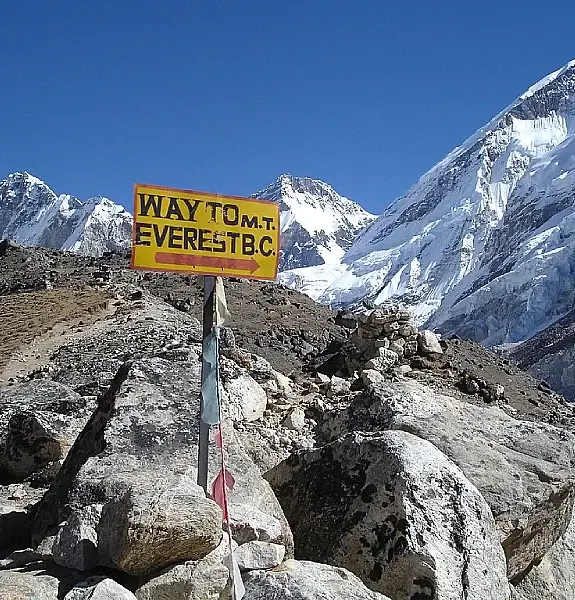
March-May and September-November are considered the best in this region. Spring provides warmer weather with rhododendron forests along the lower parts of Namche Bazaar. Autumn provides clear views of the mountains like Everest, Lhotse and Ama Dablam.
Everest Base Camp Trek works well during both seasons. Gokyo Lakes provide the best turquoise waters in late September to November. The Everest Three Pass Trek depends on stable weather conditions and hence most trekkers prefer spring or autumn.
Annapurna Region
Both spring and autumn seasons suit this region as well as in March-May and September-November. The Annapurna Circuit offers you dry trails and clear passes. Even with clear weather, Thorong La might be closed due to heavy snowfalls and hence you must be cautious.
Annapurna Base Camp Trek works during this seasons and Mardi Himal and Ghorepani Poon Hill Trek suits in shoulder months of winter.
Manaslu Region
The Manaslu area is best between March and May as well as from September to November. This area is completely isolated and difficult to access if any weather problem arise.
At an elevation of about 5,160 meters, Larkya La Pass can be blocked because of weather conditions, so consult with your guide about the current availability of this pass before you leave Samagaun, and reserve extra days in your itinerary.
Langtang Region
The months March-May and October-November are suitable for Langtang. In September, the climate remains quite rainy; that is why most of the guides prefer to start in October.
The Langtang area is famous for Langtang Valley, Gosaikunda, and Helambu. However, Gosaikunda lies high, and trekkers may experience freezing temperatures during the nights there as well as snowfalls in the late season.
Kanchenjunga Region
Kanchenjunga is best in either March to May or October to November. The eastern region is one of the remoted areas in Nepal with plenty of rainfall. Trails in the area are also long and very isolated that you won’t see trekkers for days.
Best Month for Popular Treks in Nepal
Selecting your destination first? Here is a table that matches each well-liked hike to its optimal planning times. It will also help you figure out the best time to go trekking in Nepal.
| Trekking destination | Recommended months |
| Everest Base Camp | March–May, October–November |
| Annapurna Circuit | March–May, October–November |
| Annapurna Base Camp | March–May, October–November |
| Manaslu Circuit | March–May, October–November |
| Langtang Valley | March–May, October–November |
| Mardi Himal | March–May, October–November |
| Ghorepani Poon Hill | March–May, October–November |
| Upper Mustang | May–October |
| Kanchenjunga Circuit | March–May, October–November |
| Makalu Base Camp | Spring and autumn |
Consider these months as mere reference for planning purposes only. Snow, rains, and status of the trails vary from year to year. A particular window working in one season may not remain effective in the subsequent season.
In addition, many of these trekking routes will work even beyond the specified months. Trekking in September, December, and February is possible depending on your preparedness, flexibility, and a guide who monitors conditions on a day-to-day basis.
The high-altitude treks will always require extra caution no matter what season you choose. Treks in Everest, Manaslu, and Kanchenjunga regions experience snow and cold beyond winter months and lower routes such as Mardi Himal and Poon Hill are easier to walk so they leave a lot of options.
If you want to compare your schedule with the seasons Epic Trek Nepal can do this for you. We will match your preferences perfectly with the needs of the different routes and recommend the best option for you.
What Factors Should You Consider When Choosing Your Trekking Month?
Seasons provide you with a starting point. Your personal circumstances will determine everything else. Once you have set your dates, consider the following factors along with the optimal season for trekking in Nepal for your trekking route.
Weather
Rainfall, temperature, winds, and snow affect your trekking. Rainy season monsoons limit visibility and make trails wet. Winter snow can close passes. In addition, winds can become a problem particularly in areas such as Upper Mustang, where there is often heavy wind in the afternoons. Learn about the general weather pattern for the area, and then recheck your forecast prior to your departure.
Altitude
For every 1,000 meters of altitude gained, the temperature decreases by 6 degrees Celsius. The mild afternoon weather in Namche is sure to become cold at Gorak Shep. Therefore, your trekking seasons in Nepal will vary depending on altitude.
Trail Condition
Snow, mudslides, floods, and difficult river crossings may slow down your progress. The monsoon and early fall seasons pose the highest dangers and the spring and late fall seasons provide you with dry and sturdy trails.
Crowd, Flight and Budget
Peak seasons tend to be crowded with teahouses and flights. It also increases the prices for flights, accommodation, and packages. But in off season such as February and early December, the prices become much more affordable and trail becomes quieter.
Personal Interests
Think about your personal interests. The photographers can focus on the crystal clear skies in autumn season. The flower enthusiasts need to focus on April rhododendron. Festival lovers can focus on Tiji festival in May. Those who love serene paths can choose the winter or monsoon seasons in the rain shadow areas.
Experience Level
Trekkers who are beginners prefer a season with good weather and low elevation. Start with a place like Poon Hill or Langtang Valley during a steady period. Go for the high passes when you have more mountain experience.
What to Pack for Trekking in Nepal in Different Season
When preparing for a trek, the packing list needs to reflect the season and the highest altitude during your trip. The right packing will keep you warm, dry, and comfortable, giving you a chance to enjoy trekking in Nepal without worrying about the weather.
Spring
The spring season can be warm during the day, but cool in the morning and at night. So pack lightweight clothes that are easy to add or remove. A rain jacket is essential since pre-monsoon could bring rain. Sunscreen should be a necessity no matter how high up you venture into Nepal. You should wear comfortable trekking shoes that have a good grip.
Summer/Monsoon
This season is rainy, so you need to keep your clothes dry first. A waterproof jacket, pack rain cover, and waterproof packs for your electronics are what you need to carry. Your quick-dry clothing will save you when everything is damp. In addition, during summer, insect repellent and leech repellants are important to bring. Applying salt and putting on thick socks can help keep leeches at bay.
Autumn
Autumn brings you the skies without clouds and strong sun. Bring yourself layered clothes for the warm day and cold night. You will need a warm jacket from sunset on. A hat, sunglasses, and sunscreen are a must, as the UV radiation is strong at high altitudes. Pick comfortable trekking shoes that you know well.
Winter
During winter, you should be properly warm. You will need a warm insulated down jacket, thermal underwear, gloves, warm hat and thick socks. When sleeping, you should buy a proper sleeping bag that can keep the temperature below 0 degree Celsius since the teahouses do not have heating. You will need to buy micro spikes and gaiters if you have snow hiking in your plans.
High-Altitude Treks Need Warmer Gear
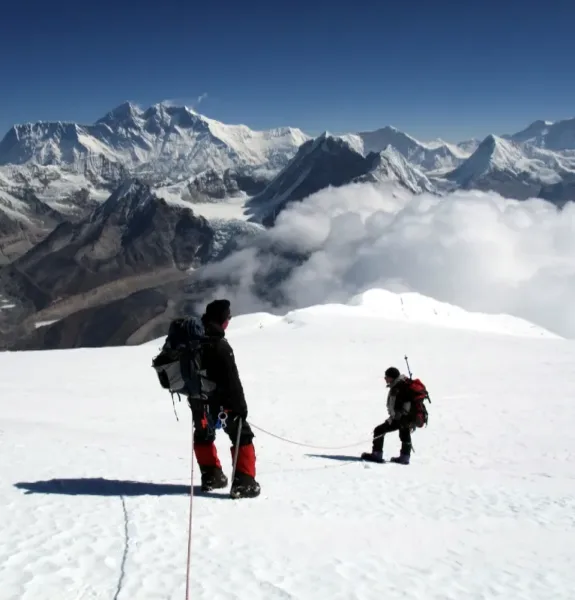
At higher altitudes, the climatic conditions change drastically. Nights are freezing in all seasons. Even in autumn or spring, the temperature at night gets freezing at high altitudes. If you trek to Everest Base Camp, Manaslu, or Kanchenjunga, you need to carry warm clothes regardless of the season.
Frequently Asked Question
Which month is the best for going trekking in Nepal?
Many trekkers choose October because of the stable climate conditions and good visibility. However, the best month may depend on the area and purposes of your trekking.
Is October the best month for trekking in Nepal?
Yes, it is usually the best time. You will have sunny skies, dry trails, and pleasant temperature. You will find plenty of people along your way. For a less crowded path, you may choose November or late September.
Is spring or autumn better for trekking in Nepal?
It really does not matter much since both seasons provide favorable weather conditions. During autumn you can see with better visibility while the climate in spring can become quite warm due to blooming rhododendrons.
Can I go on a trek in Nepal during the monsoon season?
Yes, but your opportunities are limited since rain, leeches, and landslides are common along almost all classic treks. There are still rain-shadow areas such as Upper Mustang and Dolpo that remain relatively dry.
Is December a good month for trekking in Nepal?
Yes, on certain trekking routes only. December is typically clear, sunny, and tranquil on the trails. Very cold at nights, and there may be snow blocking high passes. Treks at lower elevations such as Poon Hill are good in December.
What is the best month for Everest Base Camp Trek?
The best months for the Everest Base Camp Trek are April, May, October, and November. The autumn season offers the best visibility while spring is warmer with blooming forest. Crowds are to be expected in both seasons, flights to Lukla can be impacted by weather delays.
What is the best month for Annapurna Circuit Trek?
March to May and October to November are the best months for the circuit. Dry trails and clear weather make Thorong La crossing easier. Although snow might block the pass at times.
Which area is best for trekking during the monsoon period?
The Upper Mustang is the best option. The region lies in the rain shadow area of the Himalaya, so it doesn’t rain as much as other region. Dolpo could be another choice, but it would depend on access.
In which month does it cost the least to go trekking in Nepal?
It would definitely be during the monsoon season when June, July, and August usually offer cheaper prices due to low demand. Shoulder seasons such as February or early December could be cheaper as well.
