





How Tourism Changes Life in Nepal’s Remote Mountain Villages
20 October 2026
By admin
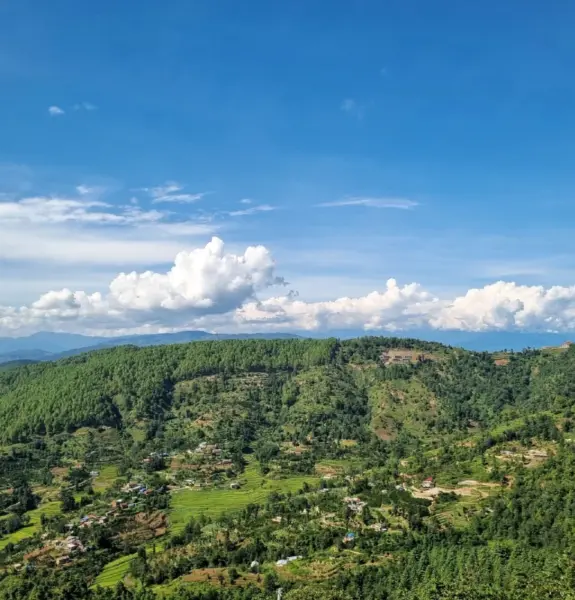
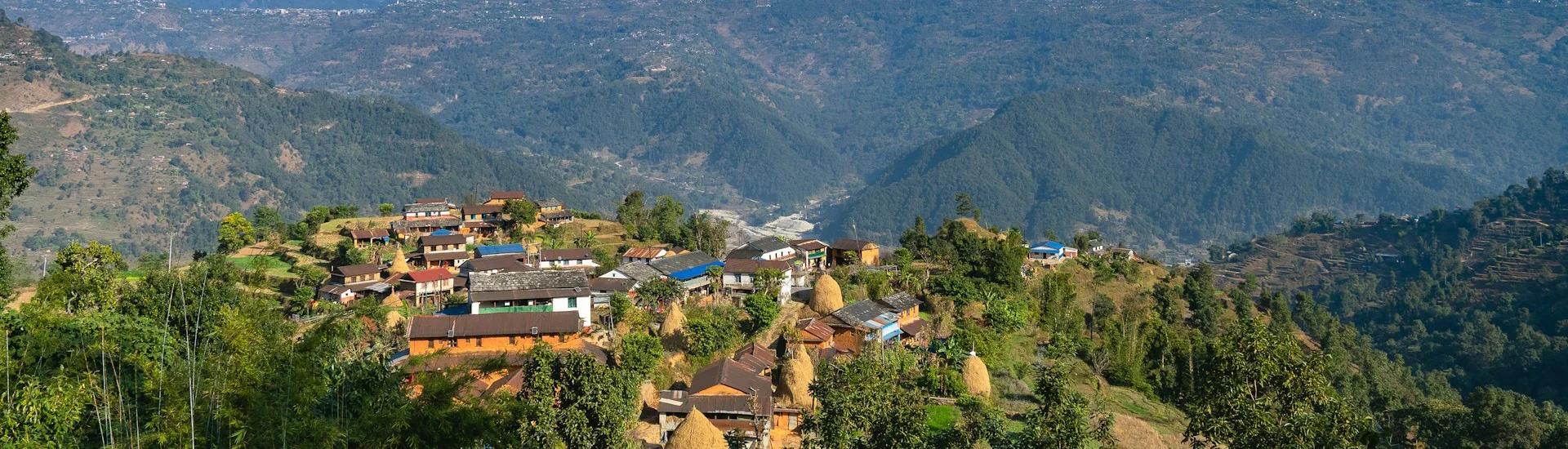
In the highlands of the Himalayas, life is different. In Nepal’s Remote Mountain Villages in the mountains, people get up at sunrise, light the fire, and drive yaks or goats to graze on the hill slopes. Stone houses stick to the hills, and prayers flags wave in the mountain air.
Traditionally, such settlements have been based on agriculture, livestock, and seasonal trading. Barley, potatoes, and buckwheat provided for the household needs. Villagers helped each other at harvest time, and festivals celebrated the change of seasons. There were not any roads, and many people travel for days to attend market or clinic.
Now trekking tourists come here. At first – just a few, but now thousands a year. Tourism in Himalayan villages today influences all aspects of village life, from the food on the table to the language of schoolchildren.
There is an advantage here. Teahouses provide people with a steady revenue. Guiding, portering and catering allow people to earn money right in their home surroundings. Young people do not have to leave their home for work in Kathmandu or Gulf countries.
But change does not happen in isolation. The effects of tourism on local communities in Nepal are a change in tradition, increased prices, increasing garbage production, and environmental pressure on the vulnerable mountain areas of Nepal.
The mountain villages of Nepal lie on the cusp of transformation. While some local people embrace each passing trekker with enthusiasm and more tourists, others fear that the transformation is taking place too rapidly for the village they know and love.
Epic Trek Nepal considers both viewpoints in this guide. Here, we present our observations and the experiences of the villagers, along with our tips on responsible trekking in Nepal.
How Tourism Reaches Remote Village in Nepal
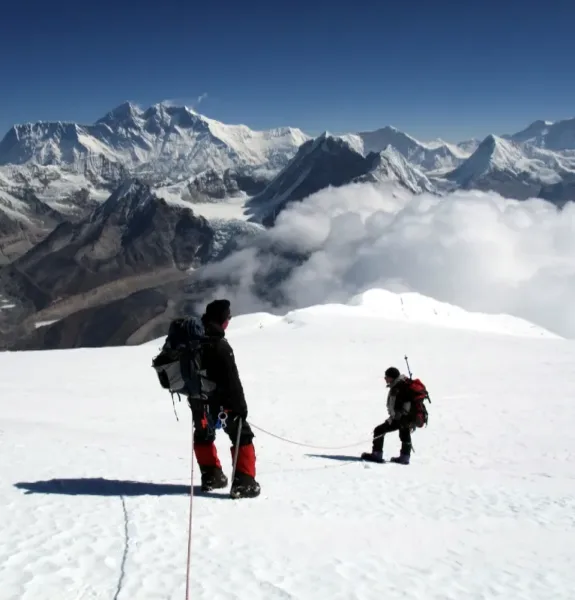
Most people visit the country for its mountainous terrain. Mount Everest, Mount Annapurna, and Mount Manaslu loom over the clouds, while paths towards them pass through some of the friendliest places in the world. The trekking paths are turning silent hiking tracks into lifelines for the remote mountain villages of Nepal.
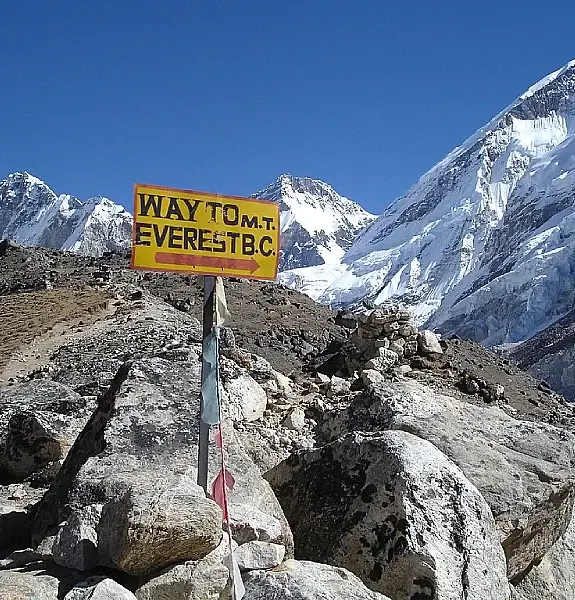
Namche Bazaar of the Everest area demonstrates how quickly all that can be done. Once a small trading center of Tibetan salt, Namche Bazaar is now bustling with bakers, lodges and guesthouses. All trekkers to the Everest Base camp pass through there in order to acclimate.
The Annapurna Circuit tells a different story. The whole villages of Manang, Marpha and Jomsom developed around this trail. The trekkers came for Thorong La pass but stayed for the apple brandy, Tibetan bread and talks around the stove.
Manaslu area is more peaceful, with its permit restrictions keeping numbers low, making settlements like Samagaun and Lho very traditional. People who visit this place enjoy eating together with other fellow trekkers.
The culture attracts tourists even more than the scenery. Monasteries, festivals, and even everyday activities of villages can provide visitors with an experience that they cannot have at home.
Good hospitality is what keeps bringing people back. It all begins with the first cup of butter tea and saying “Namaste”.
How Tourism Creates Jobs for Local People
Tourism provides people living in Nepal’s mountain villages the opportunity to earn regular income without having to leave home. One season of trekking pays for an entire year than what they have to do before.
Guides and porters play prominent roles. A guide receives appreciation, tips, and a good reputation. The porter carries a lot of weight through high passes, and most save enough money to allow them to educate their children. Local trekking agencies like us Epic Trek Nepal try to employ people from nearby villages as much as we can.
The owners of teahouses and lodges operate the base of the trekking business. Initially, they have two extra rooms and a kitchen. With time, they provide more beds, solar showers, and dining halls. Most of them now employ not only themselves but relatives and neighbors as well.
Cooking staff, drivers, and transportation service providers also gain. The cooks cook hundreds of meals per week. The jeep drivers transport the trekkers to the trailheads. The mule handlers and yak owners transport goods up the valley.
Farmers, craftspeople, and food sellers make money indirectly. The teahouses purchase potatoes, eggs, honey, and apples from the local farmers. Weavers and wood carvers sell their crafts to tourists who want to take something to themself.
This income makes the villagers think about their future differently. The parents can pay for schooling and medical costs. The young people do not have to migrate to Kathmandu, India, or any international countries anymore.
How Tourism Support Education and Children Futures
School expenses are high for many families living in the villages in the mountains of Nepal. Expenses such as uniforms, textbooks, shoes, and transportation fees require money. In such circumstances, Tourism income helps a lot.
A teahouse operator may capitalize on the peak season to purchase uniforms for three kids. A porter could use the income to pay for textbooks and a winter coat. Some families send their children to boarding schools located in bigger towns such as Lukla, Pokhara, or Kathmandu, this is much more expensive than a village school.
Foreign tourists will help as well. Many trekkers give out pencils, books, or money to the local schools. Sometimes, some tourism organizations will even sponsor scholarships or build a classroom. It is best when gifts are delivered through the school.
But even then, the advantages are not balanced. Villages located along popular trekking sites such as Everest and Annapurna make continuous income. Villages that lie off the beaten path could have few trekkers come their way each year. In the same village, one family running a lodge may prosper while another family farming may not benefit much from tourism.
Timing is also significant. The rain season, any natural disaster, or even something happening abroad might affect the revenue drastically. People who rely on tourism are always having a hard time during these months.
Tourism does provide many children with opportunity to study at school, but this does not happen to all families equally.
The Growth of Local Business in Himalayan Villages
Every trekker requires a bed, food, and something hot to drink. This basic need has created entire local economies in the mountainous villages of Nepal.
The teahouses and guesthouses come first. Where once there was only one rented room in the house, there is now a hotel with its own dining area and internet connectivity. Following them are restaurants and little bakeries selling dal bhat, momos, and apple pies.
Alongside these are the handicrafts and locally available foods. Local women knit the woolen caps and socks. Artisans manufacture wooden masks and singing bowls. The farmers provide buckwheat, honey, yak butter, and other vegetables to the neighboring hotels.
Transport facilities form part of this system that keep everything working. It includes jeep drivers, the mule trains and even small airlines.
The place where you choose to spend your money is important. If trekking tourists eat in family-owned teahouses, purchase handcrafted items, and employ local guides, then the income will go directly into the hands of locals.
It will make a significant difference for the entire village. It will help farmers earn, artisans preserve their craft, and families find a reason to stay there. This is one example of responsible trekking in Nepal and requires almost nothing of the visitors.
How Tourism Changes Traditional Culture and Lifestyles
Both trekkers and local villagers gain knowledge from each other when they sit at the same table. Trekkers learn some Nepali or Sherpa words, while the local people hear about Europe, Australia, or America. This exchange is an opportunity for developing real relationships between the two groups.
Life becomes different in villages as well. Nowadays, many young people prefer becoming guides, cooks, or lodges managers rather than being yak herders or terrace farmers. They speak English, have smartphones, and think about big things compared to their parents’ dreams. Some people are happy with this while others are afraid that traditional skills might be forgotten.
The livelihood of Nepal’s mountain communities has changed dramatically in recent years. Before, every village relied on barley and livestock, nowadays its inhabitants earn more money from tourists than anything else.
Culture itself is under stress as well. The celebration can be cut down or performed just for the sake of the tourists. In such a way, a ritual can lose its sense when turned into entertainment.
However, tourism may help preserve the culture in certain cases. For example, tourist activity provides the money needed for reconstruction of monasteries or support of handicrafts.
How Tourism Helps Preserve Local Traditions
Visitors can give traditional practices a renewed sense of importance. As visitors inquire about the monastery, woven shawls, and festival dances, the community realizes that its culture has more value than just in the valley. In most cases, that makes the community work to preserve its culture.
If the traditional buildings have value, they will survive. Stone buildings with carved wooden windows are attractive to the visitors, so some lodge operators have started to construct buildings with traditional style rather than those made of concrete and iron sheets. Income from tourism is used in renovation of monasteries, mani walls, and stupas.
Food becomes popular with new consumers. Visitors demand tsampa, buckwheat pancakes, yak cheese, and butter tea. Families, which were preparing such meals only in private before, now make them for visitors and pass on the knowledge to future generations.
Traditional arts and crafts prosper if there is a market for them. People can make a profit by practicing their crafts, such as weaving, painting thangkas, or woodcarving.
Festivals tend to become bigger and more popular as well. For instance, Festivals such as Mani Rimdu in the Everest region and Dumje in Solukhumbu attract tourists, while young people also participate in them.
But none of it would be possible without local leaders. It is the villagers who need to choose what to reveal to others, what time to reveal and what needs to remain a secret. There may be some ceremonies when outsiders are welcome. However, there may be others when they are not, and this decision belongs to the locals.
Cultural preservation in Himalayan villages through tourism is best done by the locals themselves. Tourists can assist in this process by asking for permission, offering good prices and participating in the festival only after an invitation. This is how responsible trekking in Nepal looks like. Culture in Nepal’s mountain villages is owned by the locals.
The Challenges of Tourism in Remote Mountain Villages
While tourism provides an opening, it creates pressures as well. Without anyone taking charge of growth in a careful way, Nepal’s Remote Mountain Villages might face serious consequences.
Higher prices affect the villagers first. The cost of accommodation, food and supplies goes up as demand increases. Villagers not employed in tourism have to pay more for the same amount of rice kerosene.
Disposal of waste poses an issue too. Bottles, batteries, and packaging accumulate faster than the village can process them. Very few villages have adequate facilities for waste disposal. The cost of carrying waste away by porter adds to the expenses.
Water and forest resources get affected too. Showers, laundry, and toilet facilities require large quantities of water. Firewood used in teahouses for cooking reduces the forests that prevent landslides on slopes.
Seasonal employment makes the families vulnerable. Income comes in during spring and autumn only. Travel bans due to monsoons, earthquakes, or other factors can result in empty trails for months.
Inequity in incomes divides villages into different groups. For example, lodge owners and tour agency workers make much more money than farmers and residents whose homes lie off the beaten path.
The danger lies in the dependence on visitors. If a village stops farming and lives solely on the money that comes from trekkers, one poor year may be difficult for its inhabitants.
The influence of tourism on Nepalese local communities depends on the management of this process. Inadequate management of tourism affects communities and mountain ecosystems negatively.
How Trekkers Can Support Local Communities Responsibly
Sustainable trekking in Nepal is made up of little things that enable the remote Nepalese mountain villages to retain more from tourism dollars.
Use experienced local guides. Use professional local guides from that area, who know about the paths, weather, and culture. In addition, the money goes back to the family.
Accommodation in locally run lodging. You should use locally run teahouses because you pay straight to the local people. Eat where you stay because meals make most of the money for the lodges.
Purchase locally made goods. Purchase things such as woolen socks, honey, or handicrafts from local stores. Avoid haggling and pay for fair price.
Take photographs by asking permission first. Just a smile and gesture might be enough; if you are denied, accept the answer.
Cut down on waste. Bring a reusable bottle and a way to purify water. Pack your batteries and plastic wrapping rather than littering.
Save water. Take shorter showers or forego showers at higher altitudes. Water is precious in many villages, particularly during the winter months.
Observe cultural traditions. Circumambulate mani walls and stupas in a clockwise direction. Dress conservatively, take off your shoes when asked, and never touch anyone’s head.
This lifestyle costs almost nothing, but it goes a long way in determining how tourism in Himalayan villages will impact the locals.
The Future of Tourism in Nepal’s Mountain Villages
The coming decade will have an even greater impact on the remote Nepali mountain villages. The number of tourists continues to increase, more roads continue to be built, and there is a need for planning in advance.
First of all, community participation should be prioritized. The villagers understand their territory, the culture, and the natural resources better than anybody else. The decision made by the committees regarding the amount of lodges, use of trails, and access to festivals would make the tourism fit in with the village.
Fair employment helps retain the gains for the locals. Fair salary, safety at work, and appropriate insurance for the guides and porters establish trust. Training allows the young villagers to become professionals.
Environmental protection protects the very reason that tourists come there. The use of solar energy, waste removal, and clean water protect forests and rivers from additional stress. Community forest management and national park regulations also do their share.
First of all, community participation should be prioritized. The villagers understand their territory, the culture, and the natural resources better than anybody else. The decision made by the committees regarding the amount of lodges, use of trails, and access to festivals would make the tourism fit in with the village.
The future of tourism for the local communities of Nepal lies with these decisions. Tourism in Himalayan villages can exist for many years to come, but only if locals are in charge of it.

Table of Contents
- How Tourism Reaches Remote Village in Nepal
- How Tourism Creates Jobs for Local People
- How Tourism Support Education and Children Futures
- The Growth of Local Business in Himalayan Villages
- How Tourism Changes Traditional Culture and Lifestyles
- How Tourism Helps Preserve Local Traditions
- The Challenges of Tourism in Remote Mountain Villages
- How Trekkers Can Support Local Communities Responsibly
- The Future of Tourism in Nepal's Mountain Villages