



Trekking vs Expedition in Nepal: What Is the Difference?
04 November 2026
By admin
Imagine two adventurers arrive in Kathmandu on the same day. One intends to trek to Everest Base Camp, and another intends to climb Island peak with the help of climbing equipment such as ropes and ice axe. Both of them calls it a mountain adventure but the two journeys are completely different from each other.
Trekking in Nepal is ideal for most tourist. You will walk along the already existed trail, stay in teahouse overnight, enjoy the views, the culture and the warmth of Nepalese people. Trails of places such as Everest Base Camp, Annapurna Circuit and Langtang is suitable for people with various physical condition. Going to Nepal on a mountaineering expedition is something completely different. You go there to climb a mountain, usually higher than 6,000 meters. It requires months of preparation and true mountaineering skills.
Many first-timers have difficulties in distinguishing between these two activities in Nepal. Many people get confused between Trekking vs Expedition in Nepal, which is quite common because both involves attitude, cold and long walking days on foot. But the different between trekking vs Expedition in Nepal becomes apparent quickly. Both involves different planning, preparation, time, difficulty gear and skills needed for each activity.
A mistake here will make you lose not only your time and money but also place you in dangerous situation. If a trekker participates in climbing without proper preparation, he risks his life. A traveler who is expecting an easy journey will face unexpected difficulties.
In this blog, you will find a detailed explanation of each activity. You will learn about difference Between Trekking and Expedition, characteristics, and choose the right one according to your purpose. We from Epic Trek Nepal know the features of each kind of travel through our own experience. Let us begin with the fundamentals.
What is Trekking in Nepal?
Trekking in Nepal is the process of travelling for several days along a path in a mountainous region. It involves carrying only a daypack, following a predetermined route and each day ends with arrival at a new village. It can be done over 3 days to even 3 weeks. Some of the most popular treks include the Everest Base Camp, Annapurna Base Camp, Langtang valley and all traverse different terrain from rhododendron forest to glacial moraine.
Mountain Trails and Remote Villages
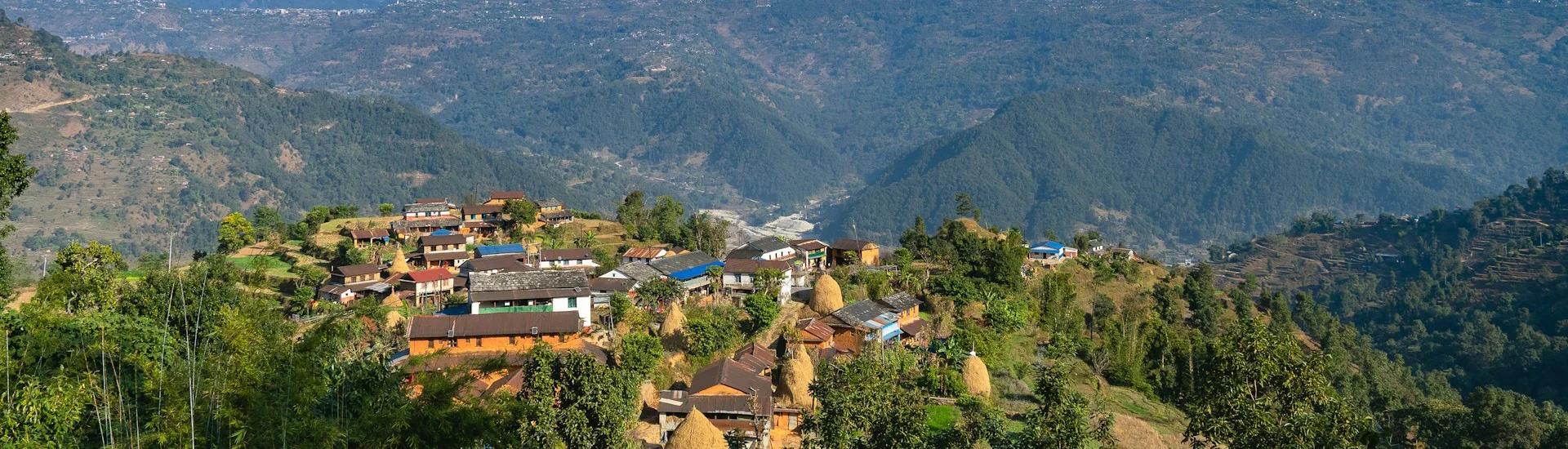
The treks are done on traditional paths used by the locals for generations. You’ll cross suspension bridges, climb steep stone steps, and encounter prayer flags and mani walls. Along the route you will passes through villages of Sherpa, Gurung, Rai and Tamang community.
There’ll be locals carrying heavy loads and tending to their yaks, which make up some of the best memories from the trips.
Teahouses and Camping Accommodation
Most popular treks have teahouses along their paths. Such accommodation facilities provide beds, hot food, and dining area. You will have twin sharing room and a shared bathroom in the hallway.
In some remote areas, such as Kanchenjunga and Upper Dolpo, you will find very few lodges. Instead, you will camp, and porters will carry tents, food, and cooking equipment.
Physical Fitness Required
For trekking in Nepal, technical skills are not needed but physical fitness is very important. The trek will involve waking from five to eight hours daily on steep slope. You have to be ready, preparing for two to three months doing cardiovascular exercise and hiking.
Guide, Porter and Permits
The guide will help you navigate and take care of accommodation, while the porter carries your backpack, which normally weighs between 10 to 15 kilograms. They both help create employment opportunities for locals.
Permits are generally required for all routes, including permits for national parks and those for the local area. Some areas are restricted and require an authorized agency and a guide.
Altitude Acclimatization
High altitude is the ultimate test when it comes to trekking. As the altitude exceed 3,000 meters, you need time to get used to the high altitude. To reduce the altitude sickness, you will have acclimatization between your trekking itinerary and follow a rule that is “Climb high, Sleep Low“.
During the trek, it is important to stay hydrated, go slowly and inform your guide about any headaches or nausea. With proper acclimatization, trekking becomes safe.
That leads to Trekking vs Expedition in Nepal. Trekking follows the set paths and requires stamina rather than climbing skills.
What is Mountaineering Expedition in Nepal?
The main objective of mountaineering expedition in Nepal is simple. You don’t trek through the village to see the views. You organize, prepare and climb up the mountain until you reach your destination.
The adventure can take from two weeks to two months depending on the elevation of the mountain climbed. Some of the famous peaks are Mera and Island peak, as well as Manaslu and Everest. Climbing each of those mountain peaks requires a certain level of training.
Climb at High-Altitude Camp and Summits
The climbing process does not involve straight ascent. The Climbers have to move from one camp to another, carrying their supplies and sleeping at high altitude in a proper way that helps with acclimatization.
The climb towards the summit typically starts early in the morning. The climbers take about 8 to 14 hours or even more to reach their destination and descend back within the same day. It is dangerous to descend as to climb due to fatigue and the thinness of air.
Technical Requirement for Mountaineering
While trekking requires fitness, mountaineering needs knowledge. Climbers need to train more than what is needed for trekking, be skilled in using crampons, an ice axe, a harness, fixed ropes and move safely on glaciers, snowy slopes and very steep ice.
Many mountaineers start practice climbing with smaller mountains. They also take basic mountaineering training courses that can greatly benefit during the actual climbing.
Specialized Equipment
Expedition equipment is much more than just trekking equipment. You’ll need:
- Mountaineering boots with two or three layers of insulation
- Crampons, ice axe, helmet and harness
- Down suit or heavy down jacket suitable for severe conditions
- High altitude sleeping bag and insulated sleeping mat
- Oxygen supply systems above 8,000 meters
Most of this equipment can be rented in Kathmandu, although quality and fit differ. It’s important to check all of them before leaving the city.
Expedition Guides and Climbing Support Staff
Climbing crews consist of many people. The standard team consist of one climbing guide, Sherpa climbers, base camp manager and cook crew. The high-altitude Sherpa also known as Icefall doctor fix ropes, carry supplies and helps make a summit possible.
For climbing higher peaks, make sure to obtain a climbing permit from the Nepal government where the Nepal Mountaineering Association manages permits for some of the climbs from time to time.
Conditions and Climbing Windows
The weather decides everything. Cold temperature, high winds, and storms can quickly put an end to your climbing path. Climb according to weather windows that last only a few days.
Spring (April-May) and autumn (September-October) are the most popular seasons for mountaineering trips. The spring season provides many climbing windows for the Everest summit, but autumn is perfect for most other peaks.
Physical and Mental Preparation
Get ready for 6 to 12 months of intense training. Improve your endurance by hiking for a long time with a weighted backpack. Add strength and cardio exercises.
Mental part of preparation is equally important. For weeks you will live in small tents, struggle with low temperatures, lack of sleep, and slow progress. Calmness and patience help stay alive.
This is the clearest dividing line between trekking and mountaineering expedition: trekking brings its own reward in the form of the way there, but a mountaineering expedition to Nepal in return brings a summit.
Trekking vs Expedition: Key Differences
| Comparison | Trekking | Expedition |
| Main purpose | Explore mountain trails and landscapes | Climb a specific mountain |
| Duration | Usually, several days or weeks | Often several weeks or longer |
| Difficulty | Easy to challenge | Usually very demanding |
| Physical fitness | Good general endurance | High physical endurance |
| Technical skills | Usually not necessary | Often necessary |
| Equipment | Trekking gear | Specialized climbing equipment |
| Accommodation | Teahouses, lodges, or tents | Base camps and high camps |
| Altitude | Varies by trekking route | Often reaches extreme altitudes |
| Support team | Guides and porters | Climbing guides, Sherpas, and support staff |
| Main challenge | Long-distance walking and altitude | Climbing, altitude, and technical challenges |
What Equipment Do You Need?
Proper equipment keeps you warm, safe, and mobile. Gear and equipment for Trekking vs Expedition in Nepal varies greatly. This is what you need for each of them.
Trekking Equipment
The equipment needed while trekking in Nepal requires some basic items, rather than specialized ones. Teahouses provide sleeping places and food so there will be much less you will have to bring. Besides, trekkers usually rent or purchase some stuff in Kathmandu or Namche.
- Trekking Boots: Get durable, waterproof, well-fitting boots with good ankle support and a grippy sole. Make sure you break-in the boots for a month before the trip.
- Backpack: A 30 to 40 liter daypack to carry your water, camera, snacks, and extra clothing. Your porter will carry the bigger duffel.
- Trekking poles: Trekking poles protect your knees from strain when going downhill and help walking on loose stones.
- Sleeping bag: Teahouse blankets aren’t usually warm enough in the altitude. You will need a sleeping bag rated to -10°C and can get one in Kathmandu through Epic Trek Nepal.
- Warm clothing: Get layered clothing: base layer, fleece, and down jacket. Don’t forget a warm hat, gloves, and thermal socks.
- Waterproof clothing: The waterproof jacket and pants will protect you from a quick shower or rain accompanied by wind.
- Water purification kits: Carry some purification tablets, drops, or even a filter water bottle. It prevents plastic pollution and ensures that your tummy is okay.
Expedition Equipment
Mountaineering equipment is heavier and more complex than regular hiking gear. A poor fit or a broken piece of equipment may result in the termination of the climbing expedition, so test all your equipment before you head out into the mountains.
- Mountaineering boots: These insulated multi-layered boots will protect your feet from the cold, while also fitting crampons properly. Get them to fit well, as you will wear them with thick socks.
- Crampons: Metal spikes are attached to your boots and help you move around on ice and hard snow. Make sure they match the type of your boots.
- Ice axe: Used for maintaining balance and cutting steps, make sure you know how to self-arrest before attempting your first ascent.
- Harness: Allows you to tie yourself up to the rope or anchors; light and easily adjustable harnesses that fit over heavy clothing are preferred.
- Ropes and Carabiners: Fixed lines, slings, and locking carabiners ensure your safety when climbing the steep parts. Your guides normally set the fixed lines, but you have to carry your own equipment.
- Down suit: For staying warm above 7,000 m altitude, you should wear a down suit, which would help you maintain your temperature at -30°C.
- Gloves and Goggles for High Altitudes: Gloves will prevent you from frostbite while goggles will guard you against strong wind, snow, and ultraviolet light.
- Other specialized climbing equipment: Depending on the mountain, you may also require such gear as: ascender, descender, avalanche safety equipment, oxygen bottle with a mask and regulator.
How Much Physical Preparation is Required
Trekking VS Expedition in Nepal is totally different in the physical term also. Trekking requires sustained stamina while climbing requires strength and skills and months of dedicated practice.
Trekking Preparation
Trekking in Nepal requires steady preparation, not aggressive training. The preparation should be started around three months before the starting date.
Walking/hiking consistently: Take regular walking or hiking three or four days a week. Add one extra long hike on weekends to five or six hours per day carrying a daypack of 5-7 kilograms weight in your trekking boots.
Cardiovascular training: Running, cycling, swimming, or stair climbing gets your heart and lungs used to low-oxygen conditions. The recommended duration is 30 to 45 minutes, three times a week.
Leg strength training: Squats, lunges, step-ups, and calf raises safeguard your knees on lengthy downhill slopes. It is sufficient to train twice a week. Core muscle training will help you maintain balance on the rocky staircases.
Building endurance: Long walks on Saturday and Sunday help develop the ability to maintain pace despite tired legs, something that will be needed during five to eight hours hikes.
Expedition Preparation
An expedition to a high mountain in Nepal needs much more. You have to do lots of high-altitude trekking, other beginner expedition if you are aiming for harder expedition and train six to twelve months, even longer for 8,000-meter climbs.
High-altitude conditioning: Acclimate yourself by spending time at altitudes above 4,000 meters before beginning on your climb. Many will climb a small mountain before tackling their goal. Altitude tents can help, but the actual acclimatization in the mountains is crucial.
Cardiovascular conditioning: Exercise for five to six days a week. Include both slow and steady workouts of two to four hours and interval training. Stair climbing with a backpack can be very useful.
Strength and stamina building: Train your leg muscles, core, back, and shoulders with squat exercises, deadlifts, and pull-ups. Follow up with a trek uphill carrying fifteen to twenty kilograms of weight.
Technical climbing skills training: Attend a mountaineering course. Practice using crampons, ice axe, harness, and fixed ropes. Master self-arrest and basic crevasses rescue techniques.
Past mountaineering experience: Whenever applicable, gain some experience climbing lower mountains before attempting bigger goals. Many guides request a climbing history before to letting you climb over 7,000 meters high. Experience provides wisdom, which no exercise can teach.
This lack of training is the most obvious difference between trekking and expedition. Know your fitness level and choose your adventure accordingly.
Trekking or Expedition: Which One Should You Choose?
Trekking vs Expedition in Nepal does not point towards which of them is better, but rather which activity suits you most, considering your requirements. Here is a brief checklist to help you decide.
Choose Trekking if:
You are interested in exploring the Himalayan landscape. Trekking will offer you a journey through the forests, river valleys, high passes, and glaciers. Trekking in Nepal gives you the chance to admire the peaks from all angles but not scale them.
You prefer hiking and visiting mountain villages. During your trip, you will reach a new village each night to spend there one more day of adventure and exploration.
You are fond of teahouse trips or trekking adventures. The mountain teahouse provides you with a cozy room and good food while the camping trek provides you with remote paths to follow. Trekking is comfortable and flexible.
You do not have a desire to face technical problems while climbing. You will not require ropes, crampons, and an ice axe. Physical fitness, proper equipment, and steady walking will be sufficient.
Choose and Expedition if:
You have a mountain summit destination in mind. Perhaps you have dream about one particular mountain for years. With an expedition, your dream gets a plan and a crew.
You have an interest in mountaineering. If you like climbing, snow, and ice, a mountaineering expedition in Nepal will be just your kind of adventure. Most climbers develop an obsession with mountaineering during a small peak climb.
You have the necessary skills and experience. The operators require fitness proof and, for larger peaks, a mountaineering history. Honest preparation keeps you safe.
You are ready for the technical challenges and long expeditions. You are ready to be in tents for weeks on end, to withstand the cold and fatigue, and realize that a rainy weather may prevent you from reaching the peak. It takes patience and not just strength.
Expeditions also require more money and time off. So, plan accordingly.
Can you Move from Trekking to Mountaineering Expedition?
You certainly can. Quite a few of the climbers today were once trekkers who were curious to know more about what happens near the peaks. Trekking in Nepal can give you firsthand experience of altitude, coldness, and prolonged hours in the mountains. This is why it should be a perfect start for you.
However, only trekking is not enough for becoming a mountaineer. Trekking is the basis for climbing. In other words, trekking does not teach you to work with rope, crampons, or ice axe.
Here’s a Step-by-Step Progression
- Start with short treks in the Himalaya. Begin from something like Poon Hill, Langtang Valley, or Annapurna Base Camp. Treks help you learn how your body behaves during long walks and altitude experience.
- Increase endurance by means of multi-day trekking. Now go to trekking which take multiple weeks to complete.
- Slowly move towards trekking 4,500m like Everest Base Camp, Gokyo, or some other trip which involves a high mountain pass. Study your sleeping, eating, recovery, and all of the details involved.
- After that attend a basic mountaineering course. That will teach you crampon skills, ice axe, rope use, and glacier travel, plus self-arrest and some basic rescue techniques. You won’t get this learning on a trail.
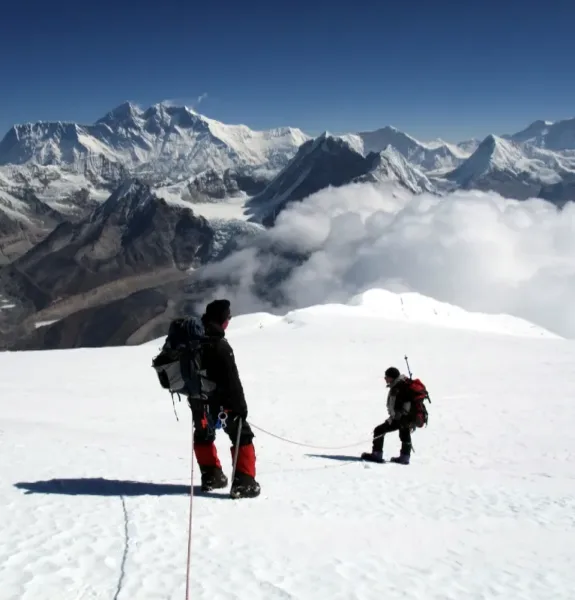
- Try an introductory climb of a mountain. Some of the most popular introductory climbs are Mera Peak and Island Peak. They offer you a guided experience of the mountaineering expedition in Nepal. But they still require glacier travel, steep snow, and summit attempt very early in the morning.
- Build your skill and experience. Keep climbing other peaks for several years. Include new skills and longer trips in your itinerary every time your judgement improves, and you can eventually go for difficult climbing like Everest. Just remember this process can take many years.
What Trekking Can Provide for You, and What It Can’t Provide For You
Trekking provides you with many valuable lessons. You become familiar with high altitude, with the cold, with patience, and with good equipment.
However, there are also many things that trekking can’t teach. For example, crevasse rescue, fixed rope techniques, or decisions made during summit day – none of these can be learned while trekking.
And that is the reason why the Difference Between Trekking and Expedition is so significant. Fitness helps you reach the foot of the mountain, but skills and experience help you climb it.
A Practical Timeline
It usually takes a person between two and five years to get from trekking to something larger. This can vary depending on how often the individual trains and has good mentors around them. Some take longer, but this is perfectly acceptable. The mountains don’t run away anywhere.
Popular Trekking and Expedition Destinations of Nepal
Trekking in Nepal offers trail for everyone. Some destinations give appreciation to your legs and mind. Some others give appreciation to your climbing skills. Here are the comparisons between them.
Popular Trekking Destinations of Nepal
There are basically three trekking regions in Nepal.
- Everest Region: In the Everest Base Camp Trek, it takes you 12 to 14 days to reach Kala Patthar via Sherpa villages from where you can watch the sunrise over the peak of Everest. Gokyo Lake is another quiet destination.
- Annapurna Region: Annapurna Base Camp and Poon Hill trek is best for beginners. Annapurna Circuit Trek requires some more time. It goes over Thorong La Pass at 5,416m.
- Langtang and Manaslu: Langtang Valley lies near to Kathmandu. It is suitable for short treks. Manaslu Circuit Trek is adventurous and needs a restricted area permit.
Popular Mountaineering Expedition in Nepal
Nepali Mountain Expedition begins with particular mountains.
- Island Peak (6,189 m) and Mera Peak (6,476 m): These are popular beginners’ expeditions with a trekking peak designation, which requires some level of technical climbing.
- Ama Dablam (6,812 m): It is a challenging peak for technical climbers.
- Manaslu (8,163 m) and Everest (8,849 m): These 8,000-meters high mountains require years of experience, experienced crew and heavy preparation.
Frequently Asked Question
Is trekking easier than mountaineering?
Absolutely, yes. Trekking in Nepal is travelled along marked trails and requires stamina but not technical skills.
Can beginners join a mountaineering expedition?
Beginners can join a guided climb on a low mountain, but they can not participate in a big expedition. Mera Peak is one of the mountains that fit well for fit beginners who have certain training. The bigger peaks, Manaslu or Everest, are only suitable for people with some mountaineering experience.
Do you need previous trekking experience for a mountain expedition in Nepal?
Yes, trekking experience would be helpful as trekking provides you with information on how you handle high altitude, coldness, and physical activities.
Can the Everest Base Camp trek be classified as an expedition?
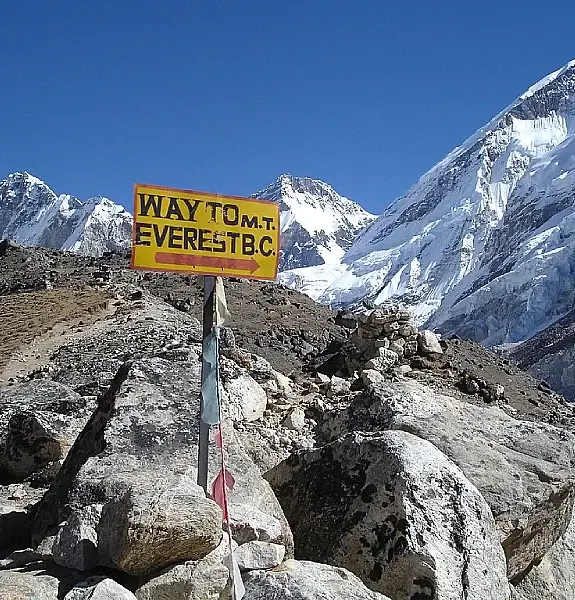
No. The Everest Base Camp trek is a trek. You walk a lodge-supported route up to 5,364 meters and you are not climbing a summit. An Everest expedition is something else. It takes two months and requires technical climbing and a special government permission.
What is the difference between peak climbing and mountaineering expeditions?
The term peak climbing includes all small “trekking peaks” like Island Peak or Mera Peak. Such climbing takes two or three weeks and only requires basic technical skills. The mountaineering expedition in Nepal is intended to climb larger and more challenging peaks. It includes many high camps, a lot of support and may require oxygen equipment.
How long does an expedition in the Himalayas last?
It depends on the height of the peak. A small peak expedition will take two to three weeks. Climbing of an 8,000 meter peak may take six to eight weeks due to acclimatization rotations and weather window periods.
Is it possible to trek and climb mountains during the same tour in Nepal?
Yes. Several tours include trekking and climbing peaks together. For instance, you can trek to the region of Mount Everest and climb the Island Peak.
